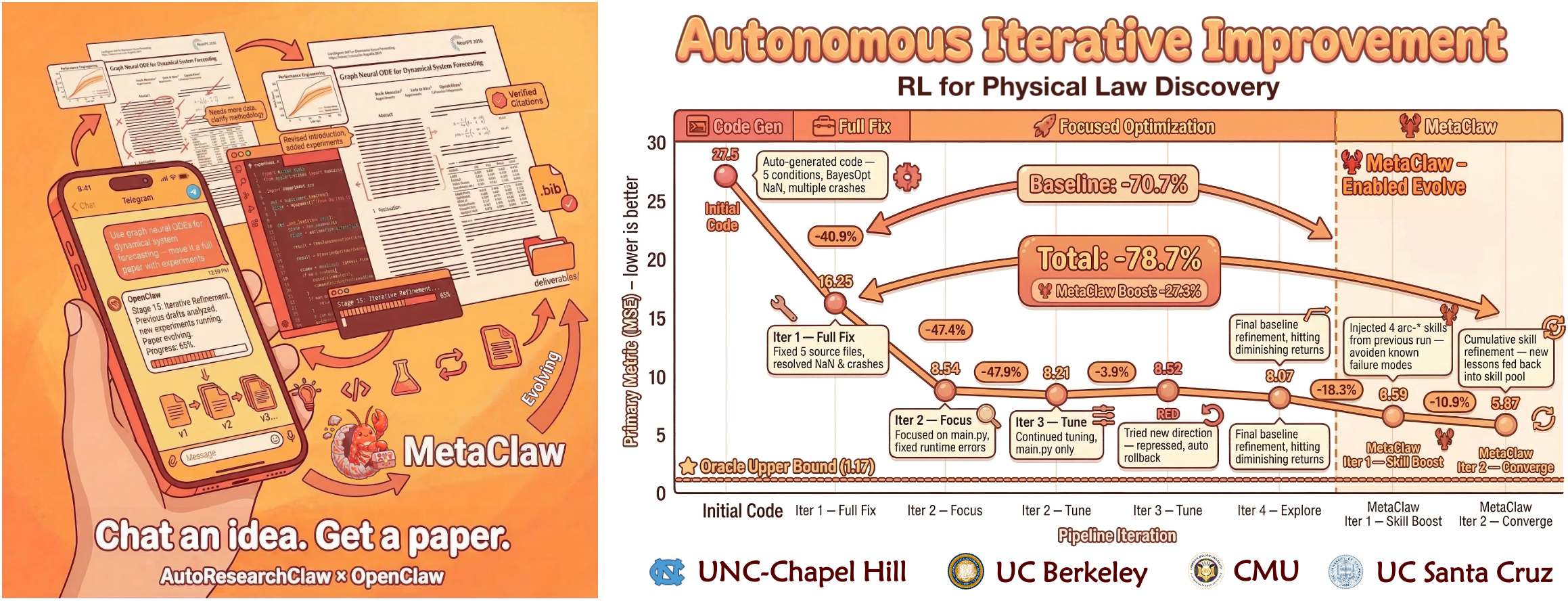
AutoResearchClaw
Fully autonomous & self-evolving research from idea to paper. Chat an Idea. Get a Paper. 🦞
- 15k
- Python
- MIT
- 3 mo ago
A curated list of autonomous improvement loops, research agents, and autoresearch-style systems inspired by Karpathy's autoresearch.
Open-source autoresearch powered by autonomous coding agents. Run Claude Code, OpenCode, and Codex with grading, shared knowledge, and multi-agent evolution. Accepted at COLM 2026.
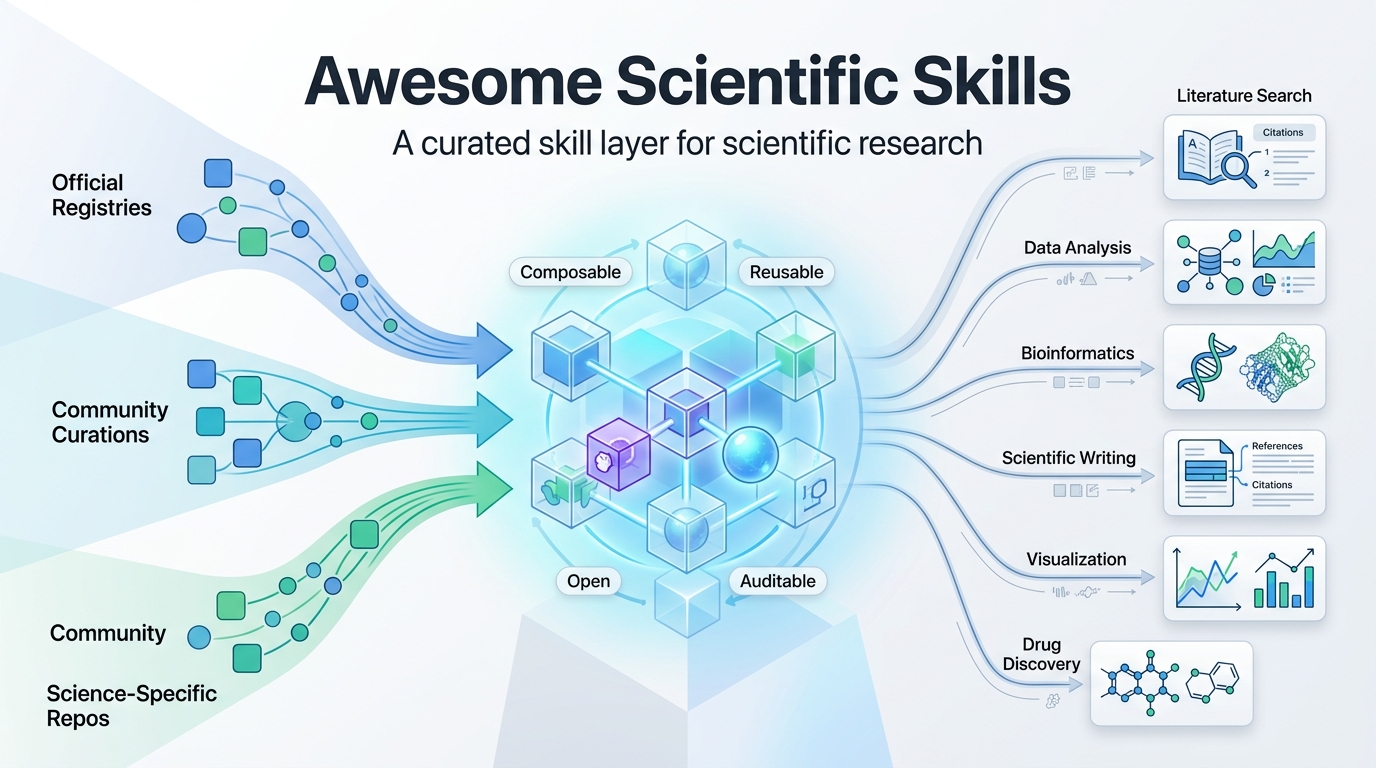
An open, curated collection of Agent Skills for scientific research — clone it, use it, extend it!
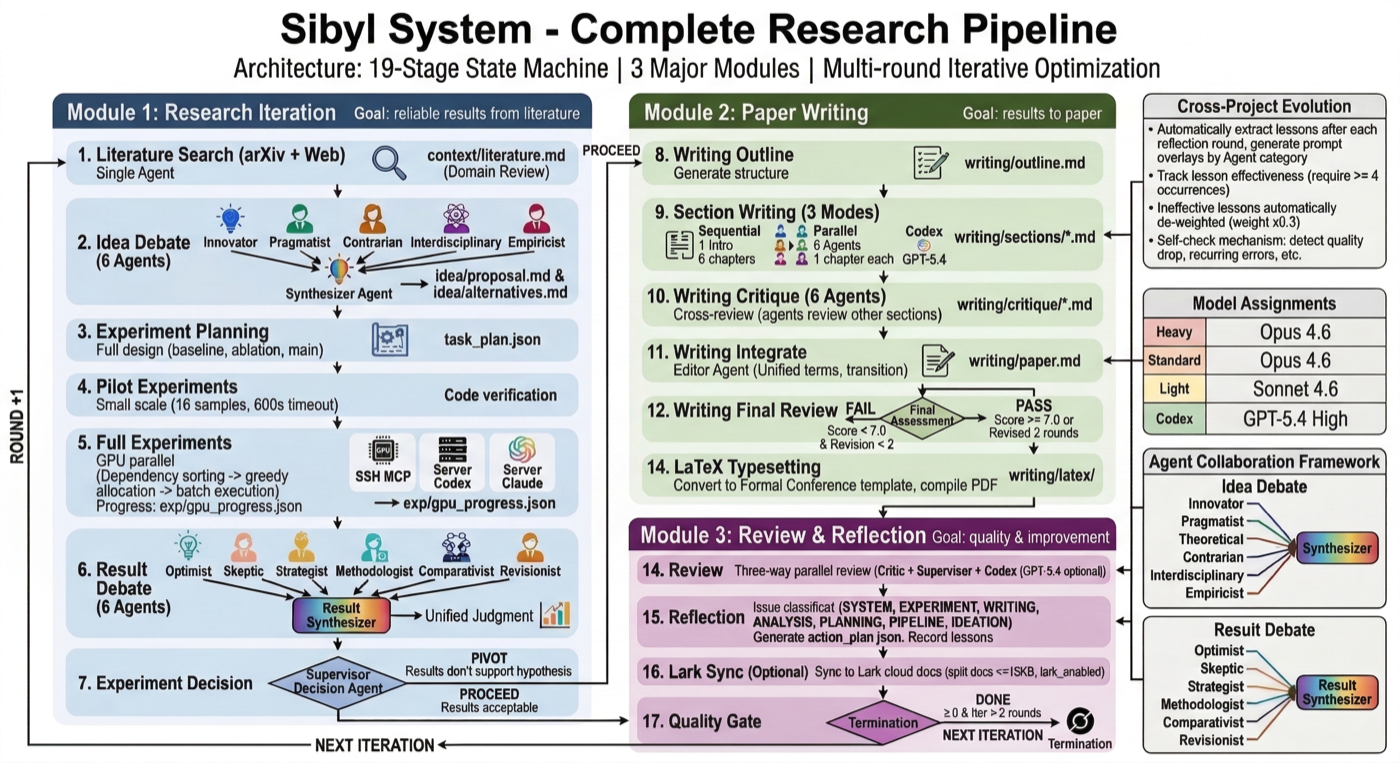
Fully Autonomous AI Research System with Self-Evolution, built natively on Claude Code
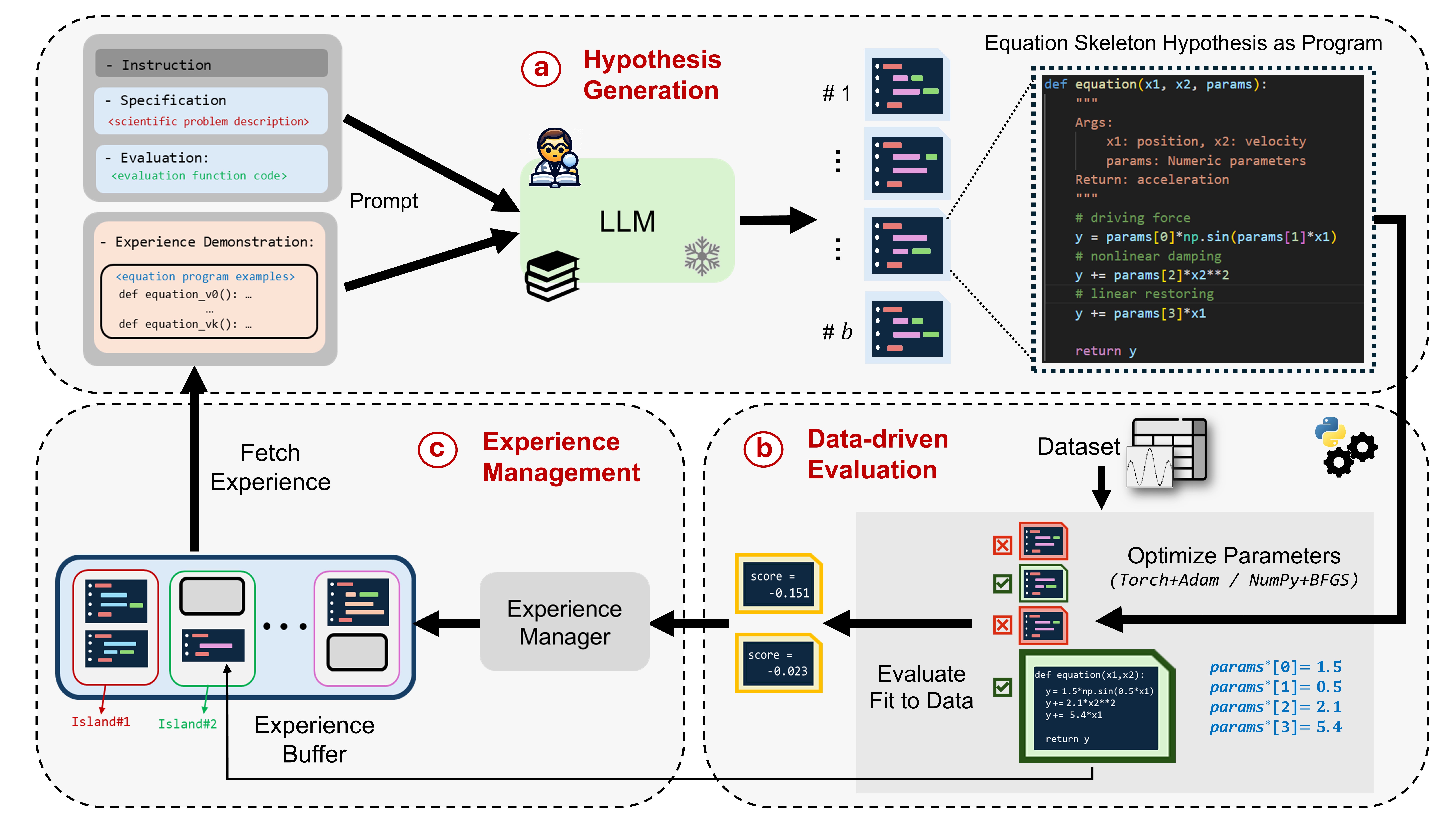
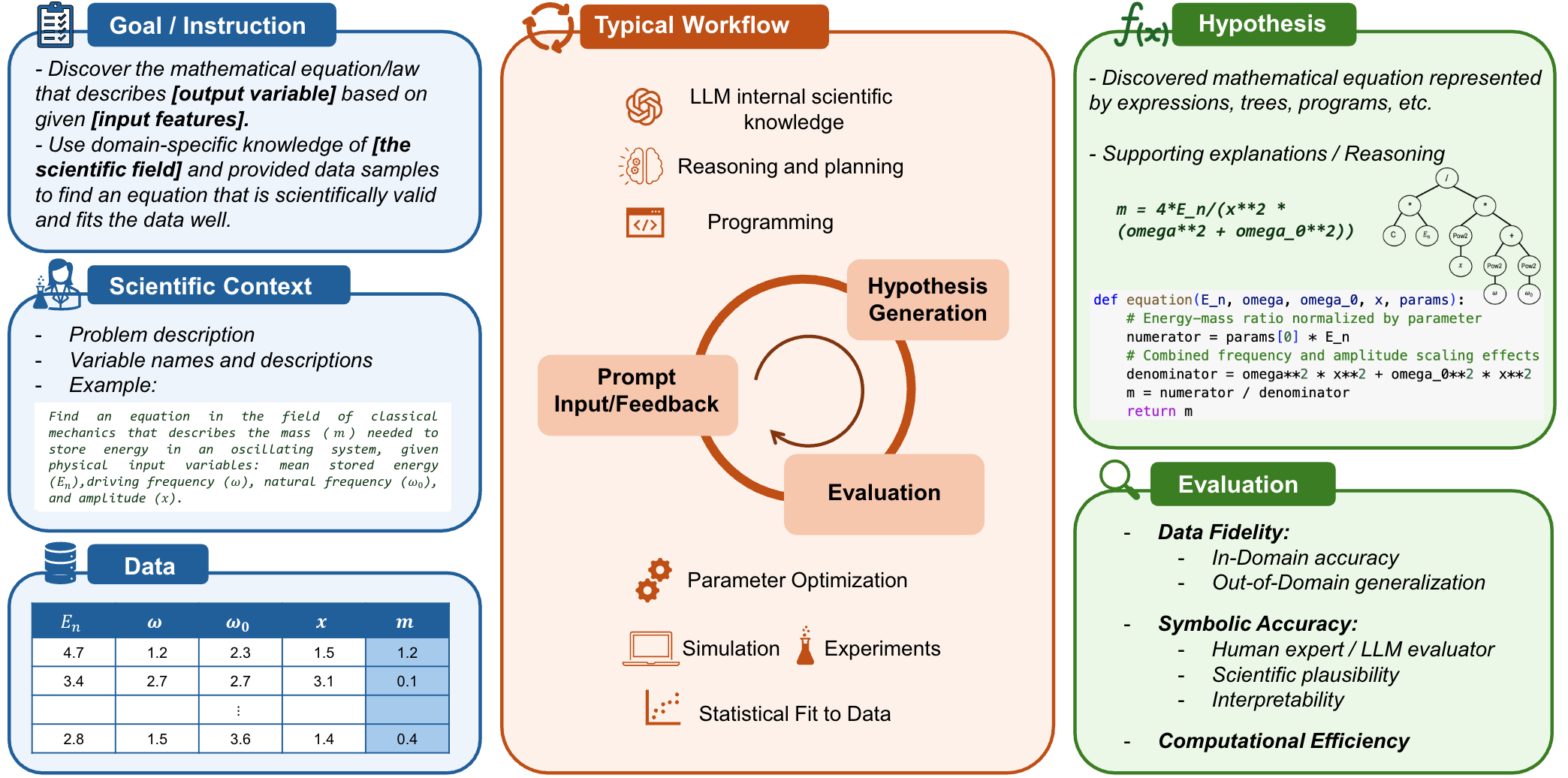
[ICLR 2025 Oral] This is the official repo for the paper "LLM-SR" on Scientific Equation Discovery and Symbolic Regression with Large Language Models
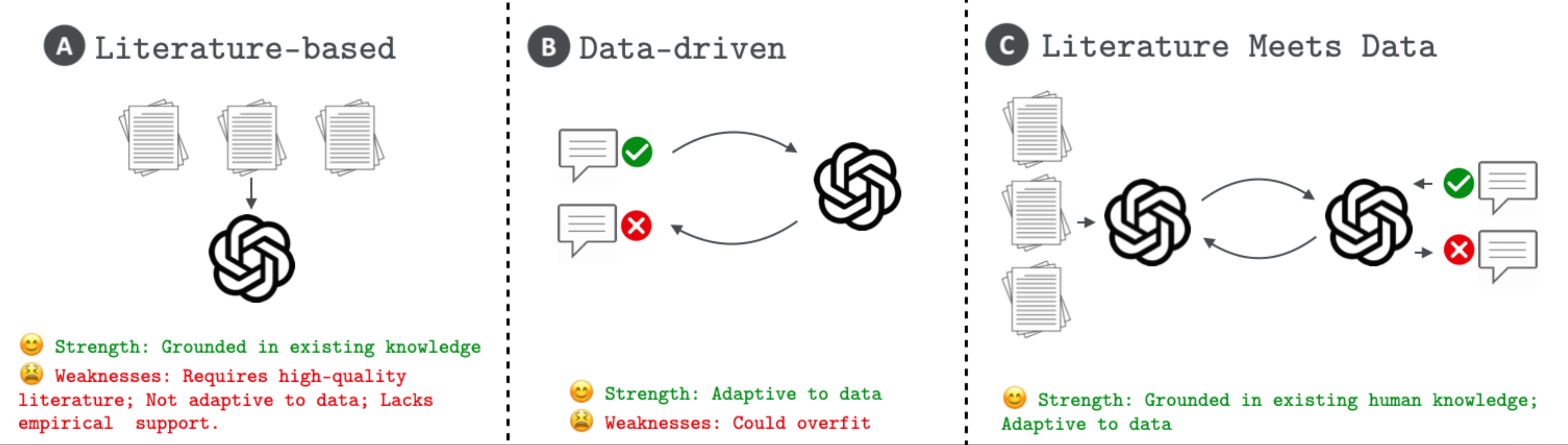
This is the official repository for HypoGeniC (Hypothesis Generation in Context) and HypoRefine, which are automated, data-driven tools that leverage large language models to generate hypothesis for open-domain research. For more details, please see the original paper using the link below.
[ICML2025 Oral] LLM-SRBench: A New Benchmark for Scientific Equation Discovery with Large Language Models
A curated, accuracy-first list of benchmarks for evaluating LLMs on scientific reasoning and discovery — math, physics, chemistry, materials, biology, and agentic science.
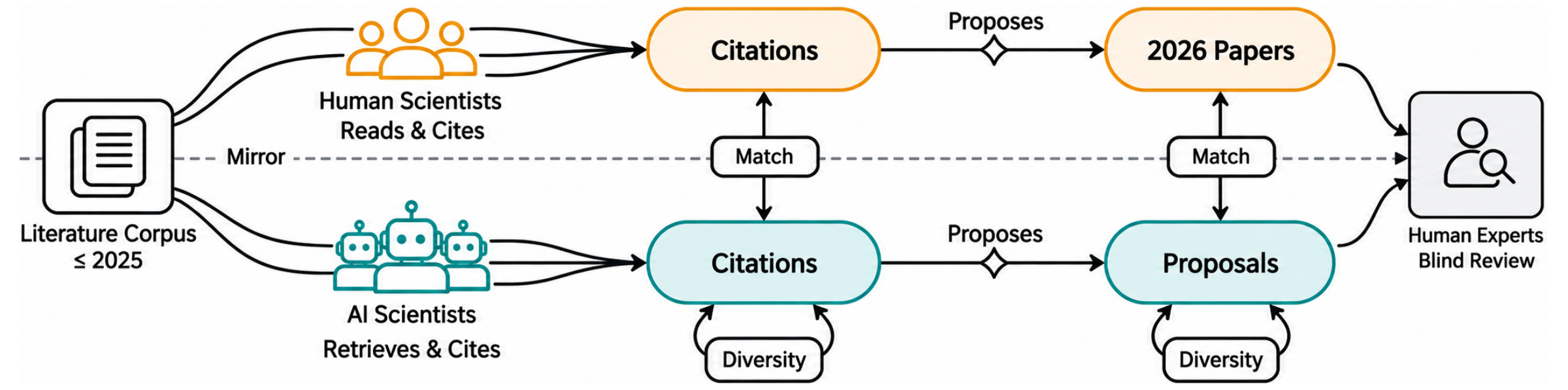
IdeaTaste - A benchmark for research taste: let LLM agents propose research ideas, then check how many of them the research area actually went on to do.
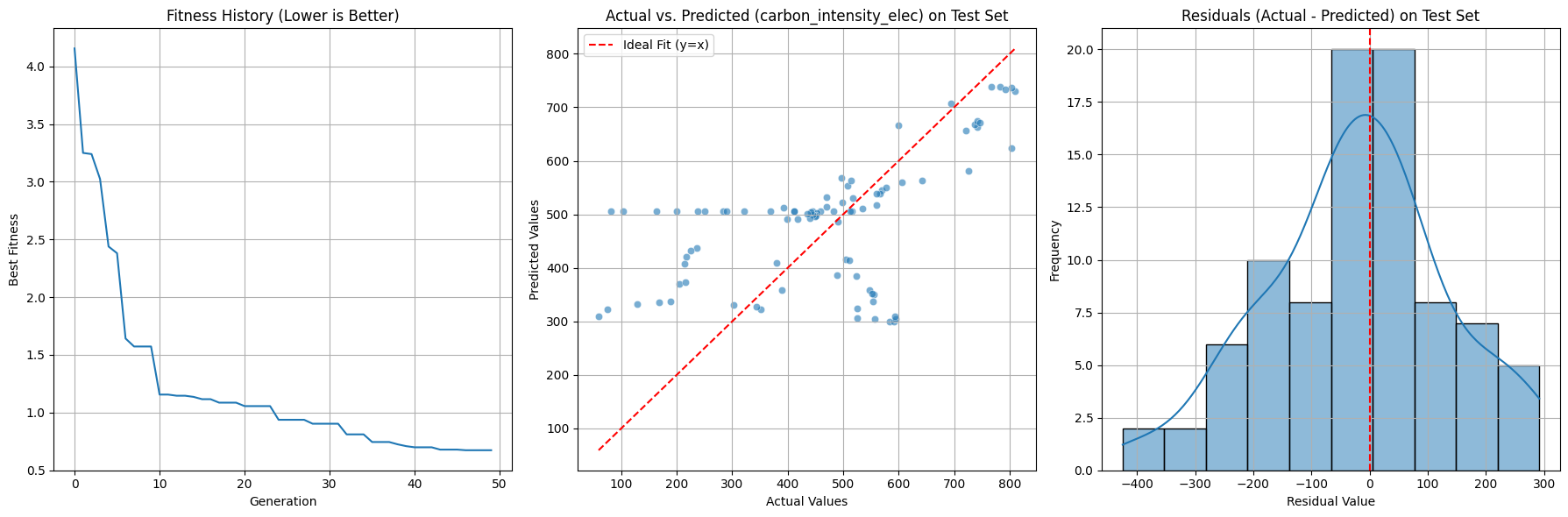
An AlphaEvolve-inspired project using evolutionary symbolic regression to automatically discover mathematical laws governing global carbon intensity from real-world energy data.
BioReason-Pro 2: Multimodal Reasoning LLM for Protein Function Prediction
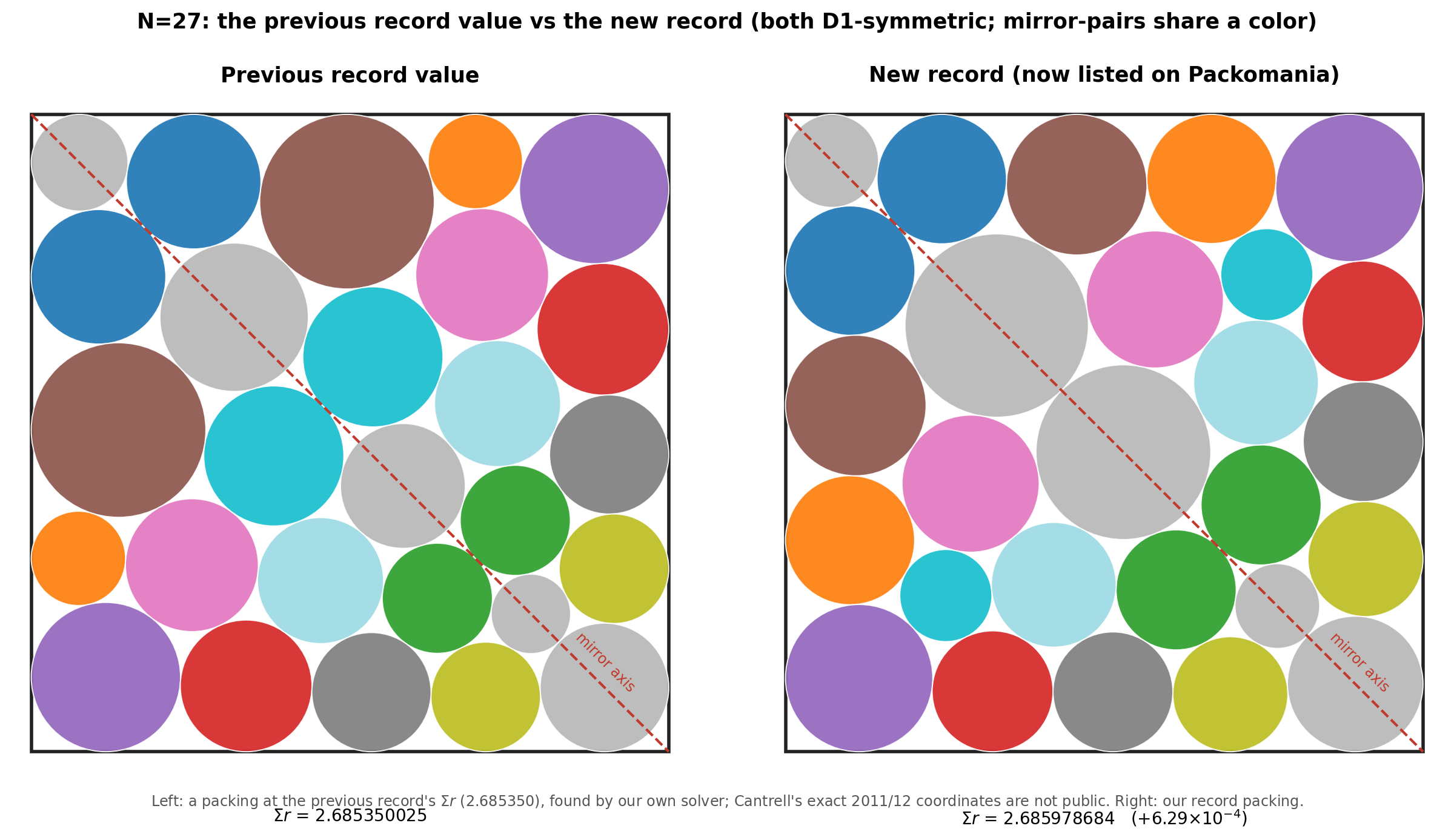
Python circle-packing solvers from self-improving AI agents, with Packomania benchmarks and independent verification. Sequential linear programming, SLSQP and basin hopping maximize summed radii in a unit square.
Xylia II is a multi-agent computational research system that generates, critiques, ranks, evolves, and synthesizes scientific hypotheses through tournament-based reasoning. Using Elo-driven selection, adversarial review, mechanistic clustering, persistent knowledge memory, and evolutionary search, exploring novel research directions.
🤖 A curated list of awesome resources on AI agents for Science.
Exact worlds, kernel-checked discoveries, and an honest way to measure whether an AI discovers anything.
A verifiers RL environment that trains models to propose novel, evidence-grounded, falsifiable hypotheses. Rewards novelty with accountability.