OpenCC
Automatic driving long tail / corner cases datasets
Corner cases (CC) are data that occur infrequently or represent a critical situation and are only available in datasets to a limited extent, if at all. However, for machine learning (ML), CC are important as they are required for training, verification, and improved performance of ML models during inference within automated driving systems.

Real-World Object-Level Corner Cases
📖 Corner cases (CC) papers
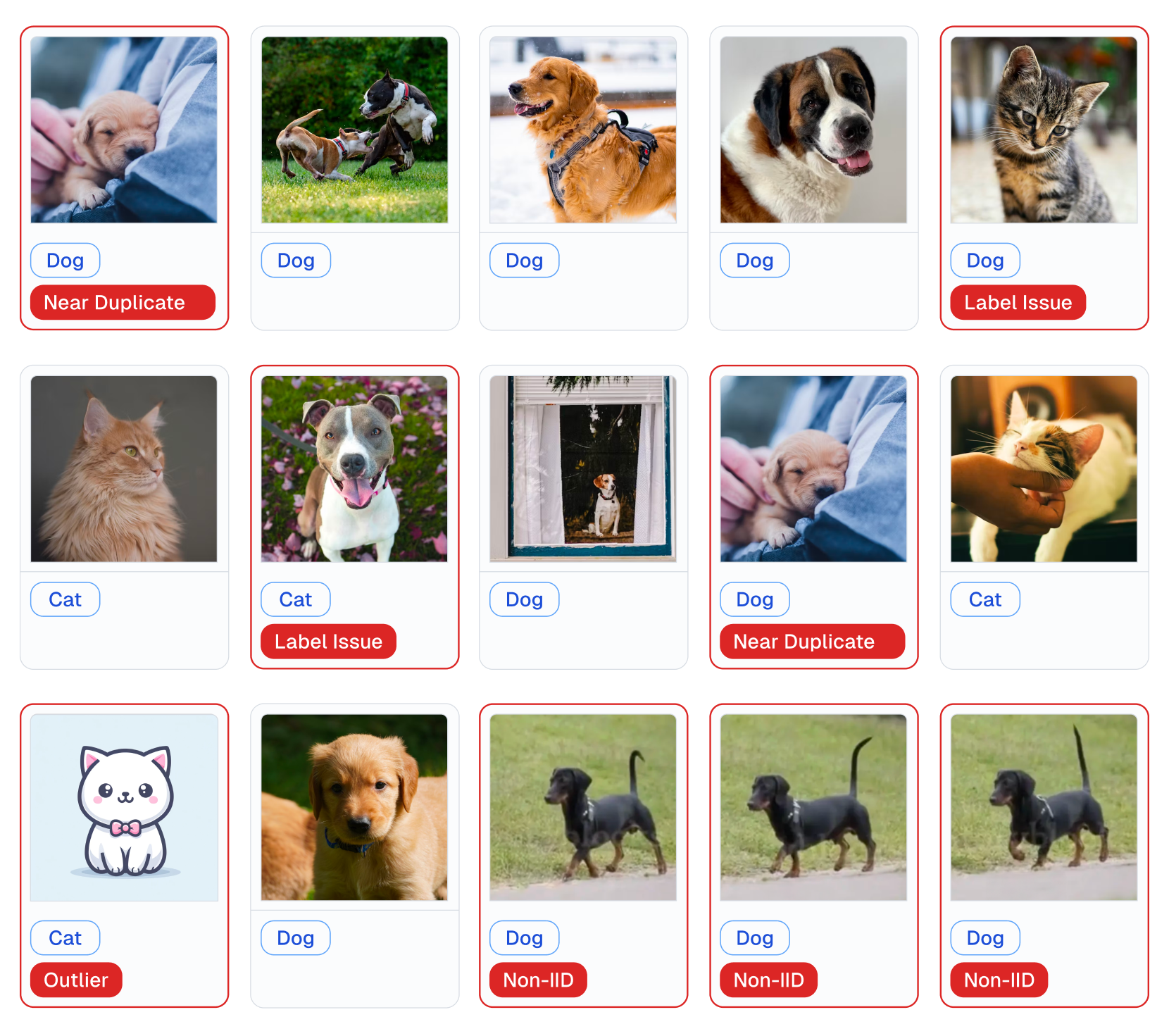
Long-Tailed Recognition and Corner cases
While the natural data distribution contains head, tail, and open classes, existing classification approaches focus mostly on the head, the tail, often in a closed setting. Traditional deep learning models are good at capturing the big data of head classes; more recently, few-shot learning methods have been developed for the small data of tail classes.

[1]Ziwei Liu. Large-Scale Long-Tailed Recognition in an Open World. CVPR2019
🎁 Download
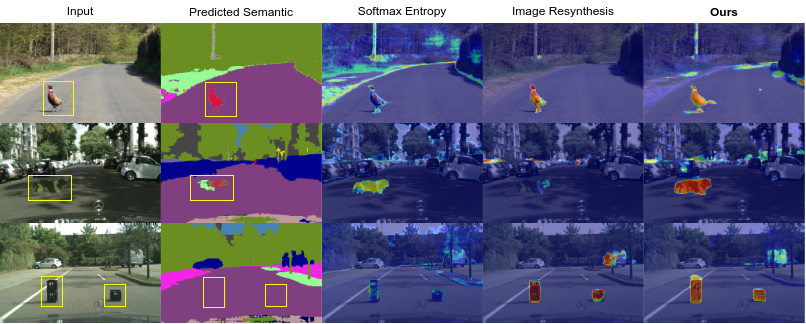
[1] Giancarlo Di Biase. Pixel-wise Anomaly Detection in Complex Driving Scenes. CVPR 2021
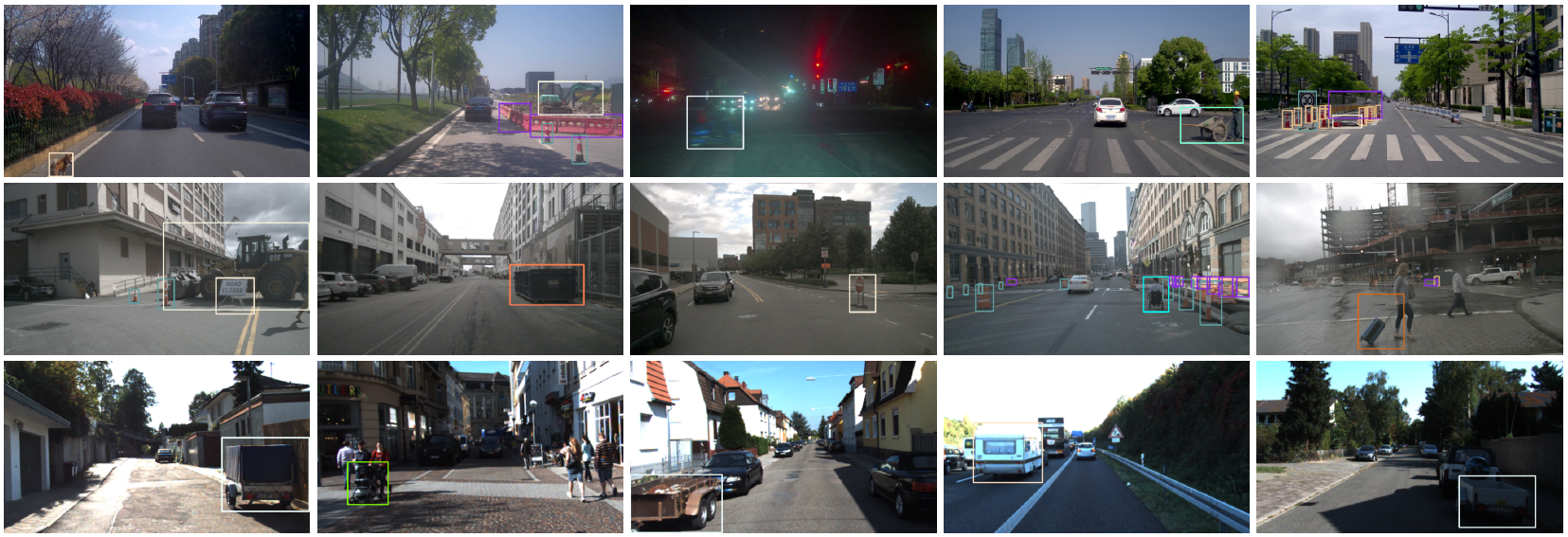
[2] CODA: A Real-World Road Corner Case Dataset for Object Detection in Autonomous Driving
CODA数据集主要是从3个目标检测数据集中提取构建的,包括KITTI、nuScenes、ONCE。从这些公开数据集中选取了1500个场景图片,包含约6000个目标级别的corner case,⬆️ 如上图所示为论文中展示的corner case样例.
Open datasets:
Corner cases in levels
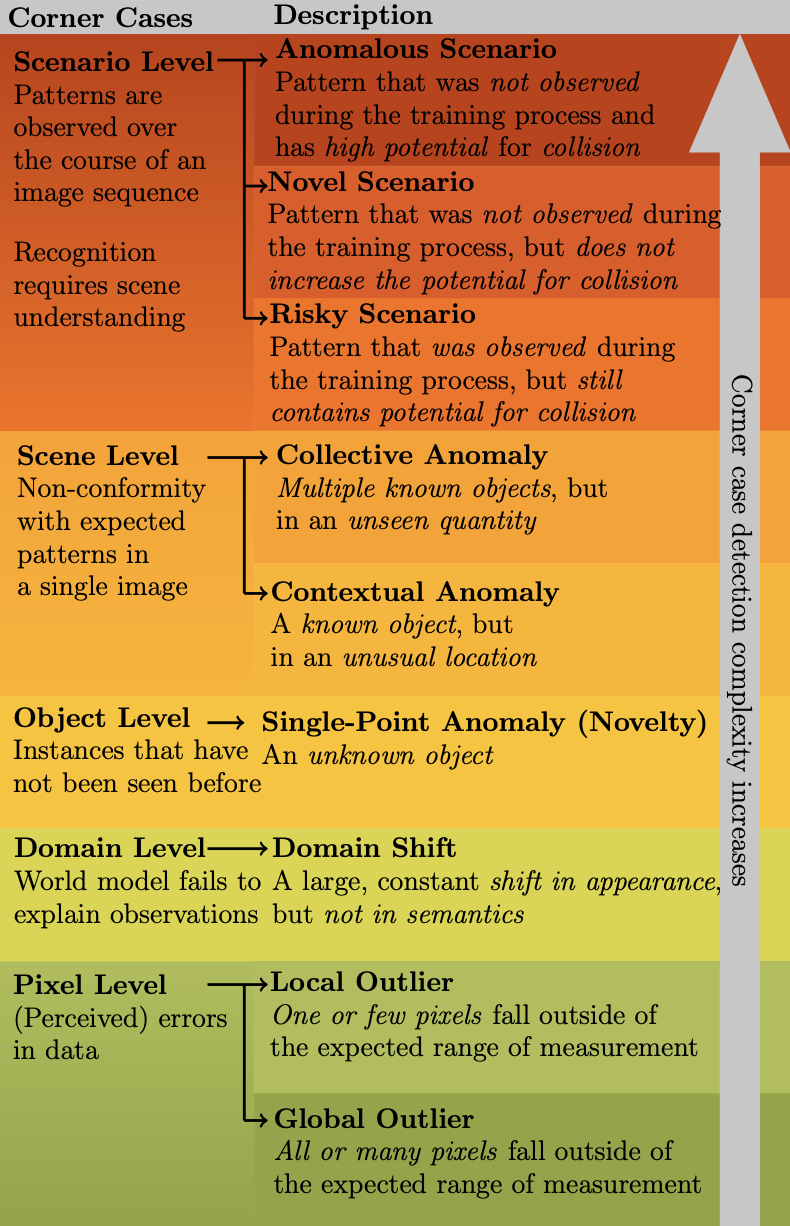
Automated driving has become a major topic of interest not only in the active research community but also in mainstream media reports. Visual perception of such intelligent vehicles has experienced large progress in the last decade thanks to advances in deep learning techniques but some challenges still remain.
One such challenge is the detection of corner cases. They are unexpected and unknown situations that occur while driving. Conventional visual perception methods are often not able to detect them because corner cases have not been witnessed during training. Hence, their detection is highly safety-critical, and detection methods can be applied to vast amounts of collected data to select suitable training data. A reliable detection of corner cases will not only further automate the data selection procedure and increase safety in autonomous driving but can thereby also affect the public acceptance of the new technology in a positive manner.
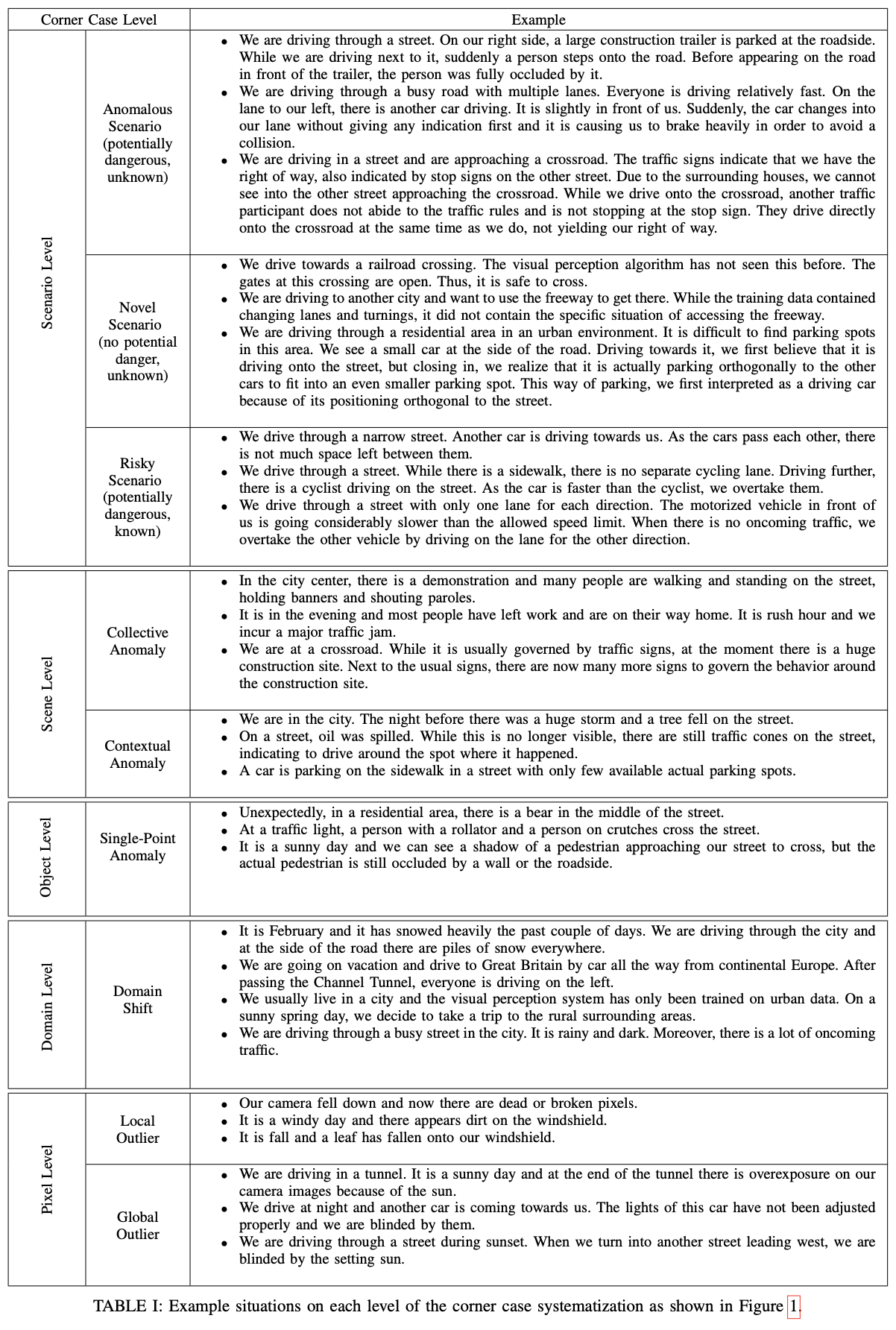
In this work[2], we continue a previous systematization of corner cases on different levels by an extended set of examples for each level. Moreover, we group detection approaches into different categories and link them with the corner case levels. Hence, we give directions to showcase specific corner cases and basic guidelines on how to technically detect them.
Systematization of corner cases on different levels as given in [1]. The theoretical complexity of the detection typically increases from the bottom to the top.
Some examples
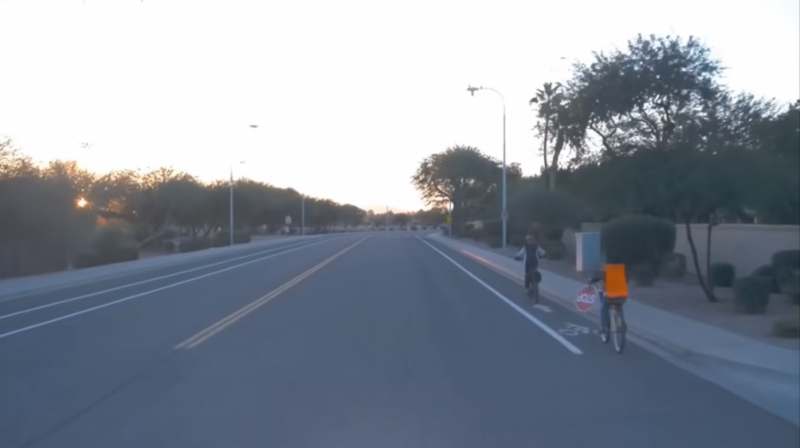
Scene 1: A cyclist holds a stop sign in his hand. We don’t know when his going to lift the sign. A driverless car must understand this scenario. Even if he raises the Stop Sign, the autopilot should not stop.
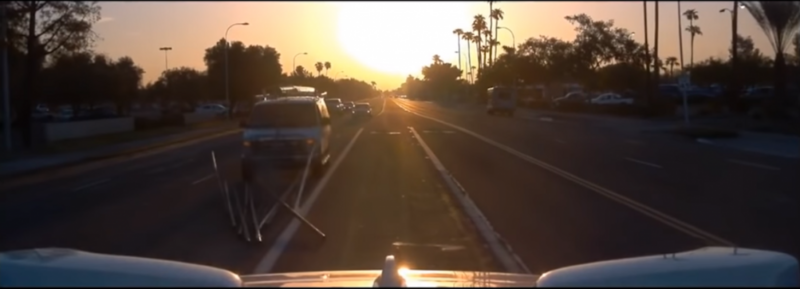
Scene 2: The oncoming vehicles loaded with plastic pipes are scattered all over the place. The autopilot must learn to deal with this sudden situation and avoid their influence on the driverless vehicle.
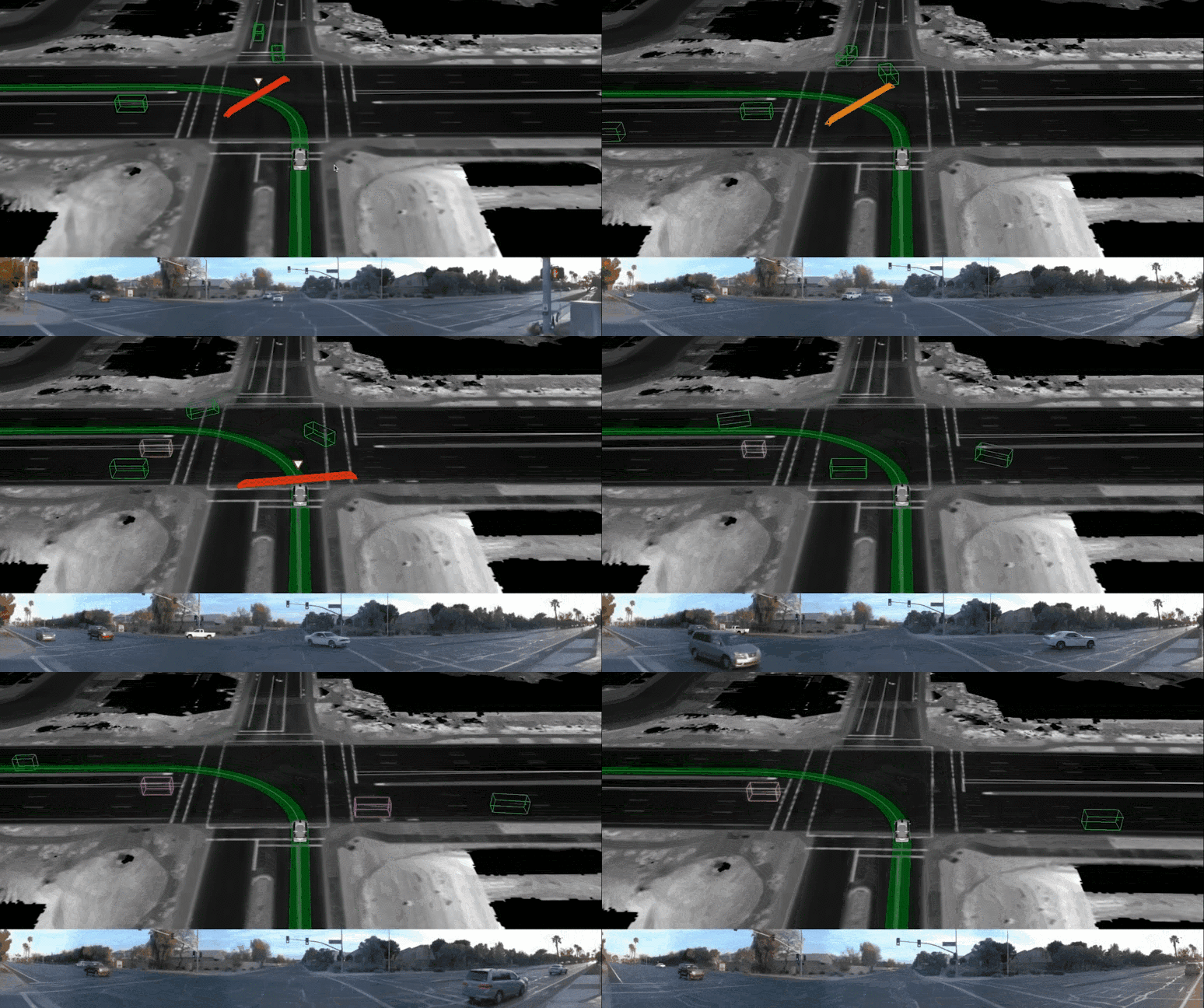
Scene 3: Due to road construction and other factors, the pavement is covered with cone barrels. The unmanned vehicle must recognize these scenes correctly and realize reasonable driving in the scene full of cone barrels on the road.
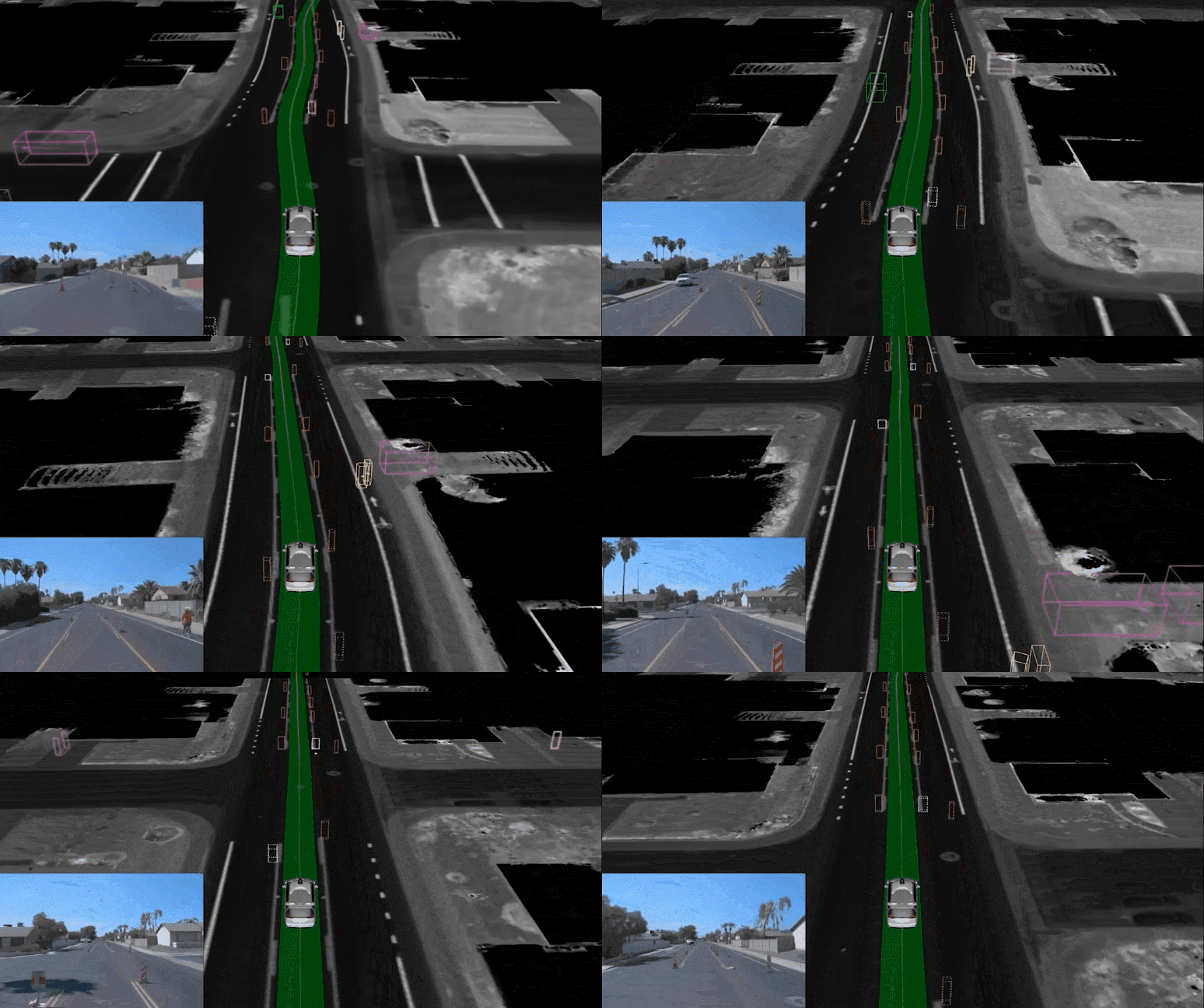
Scene 4: The traffic light is green, and the unmanned vehicle has the right of way. Although our unmanned vehicle arrives at the intersection first, it must give way to special vehicles(ambulance, etc) that will arrive later.
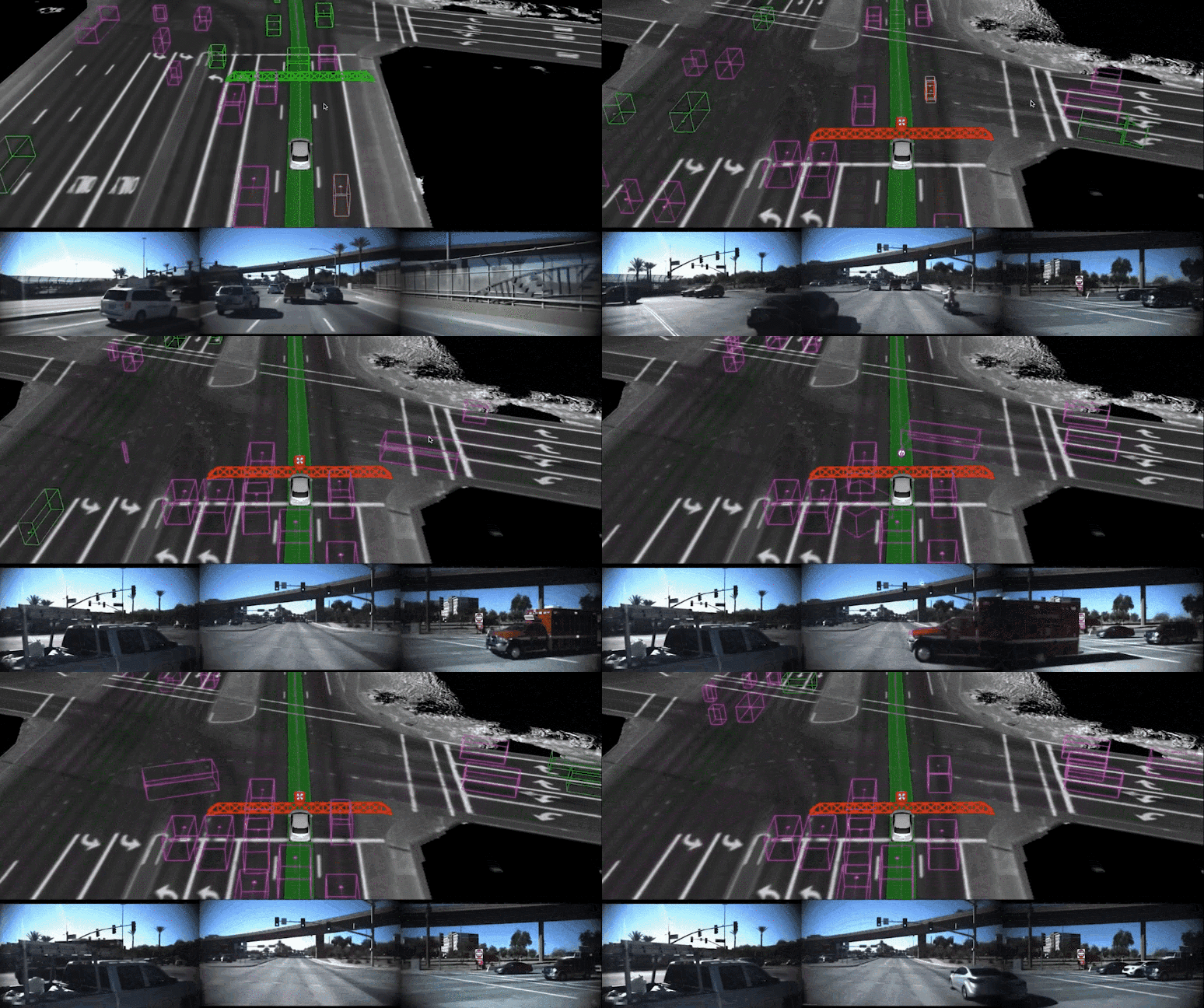
Scene 5: When there is a green light at the intersection, the unmanned vehicle is ready to turn left. When encountering the social vehicles running through the red light at high speed, the unmanned vehicle needs to identify this scene and stop in time to avoid the illegal vehicles.
Scene 6: A building facade reflecting cars. How does the machine “understand” that the cars are behind you though you see them in front of you and accordingly instruct the self-driven car to reverse or move forward?
Fig2 A building facade reflecting cars
Scene 7: These scenarios are plenty. Here is one more illustration. How do you read this situation… see figure 2 — is there a building (clock tower) in front of the vehicle or is the vehicle on a road in front of a tram?
Fig3 Tram Example (Figure 1,2,3)
Scene 8: Traffic Lights
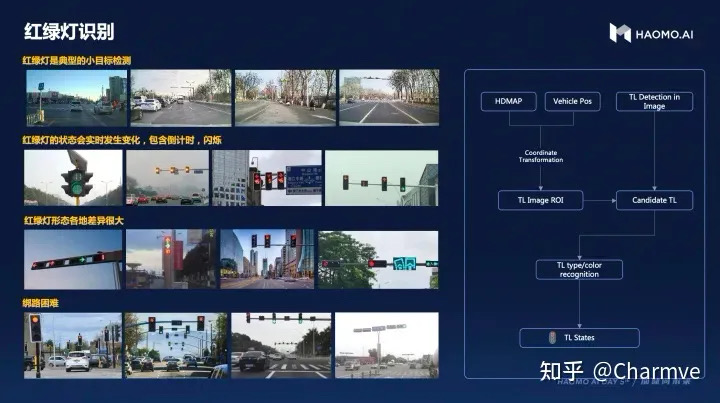
在自动驾驶中,红绿灯感知模块通常会被当做一个单独的子模块进行单独设计,本文针对红绿灯感知过程中存在的部分问题进行汇总,以达到共同讨论,共同解决行业难点问题的目标。
1. 图像识别问题汇总
【corner case1】故障灯识别(长时间黑灯,长时间黄灯闪烁),远距离容易识别错误问题
【corner case2】闪烁状态识别(红灯闪烁,黄灯闪烁,绿灯闪烁)
【corner case3】远距离条件下,小目标红绿灯识别(高速120km/h下,至少要看到200m远)
【corner case4】太阳光干扰(逆光、光照不足导致图像灯盘颜色过浅,近似黑灯)
【corner case5】抓拍灯干扰(夜间抓拍灯过亮,导致图像过曝,图像灯盘无法分别轮廓边界)
【corner case6】镜头受到污渍干扰(夜间抓拍灯过亮,导致图像过曝,图像灯盘无法分别轮廓边界;雨雪遮挡镜头导致无法抓拍到易识别的图像登)
【corner case7】适配各式各样的交通灯检测识别(竖条灯<常见>,横条灯<常见>,临时竖灯,读条横灯,读条竖灯,高速通道灯,非机动车道灯,人行横道灯,单组灯,两组灯,三组灯,四组灯,箭头灯,圆头灯等)
[1] 读条竖灯


[2] 读条横灯


[3] 三箭头灯