
awesome-decision-tree-papers
A collection of research papers on decision, classification and regression trees with implementations.
- 2.5k
- Python
- CC0-1.0
- 11 mo ago
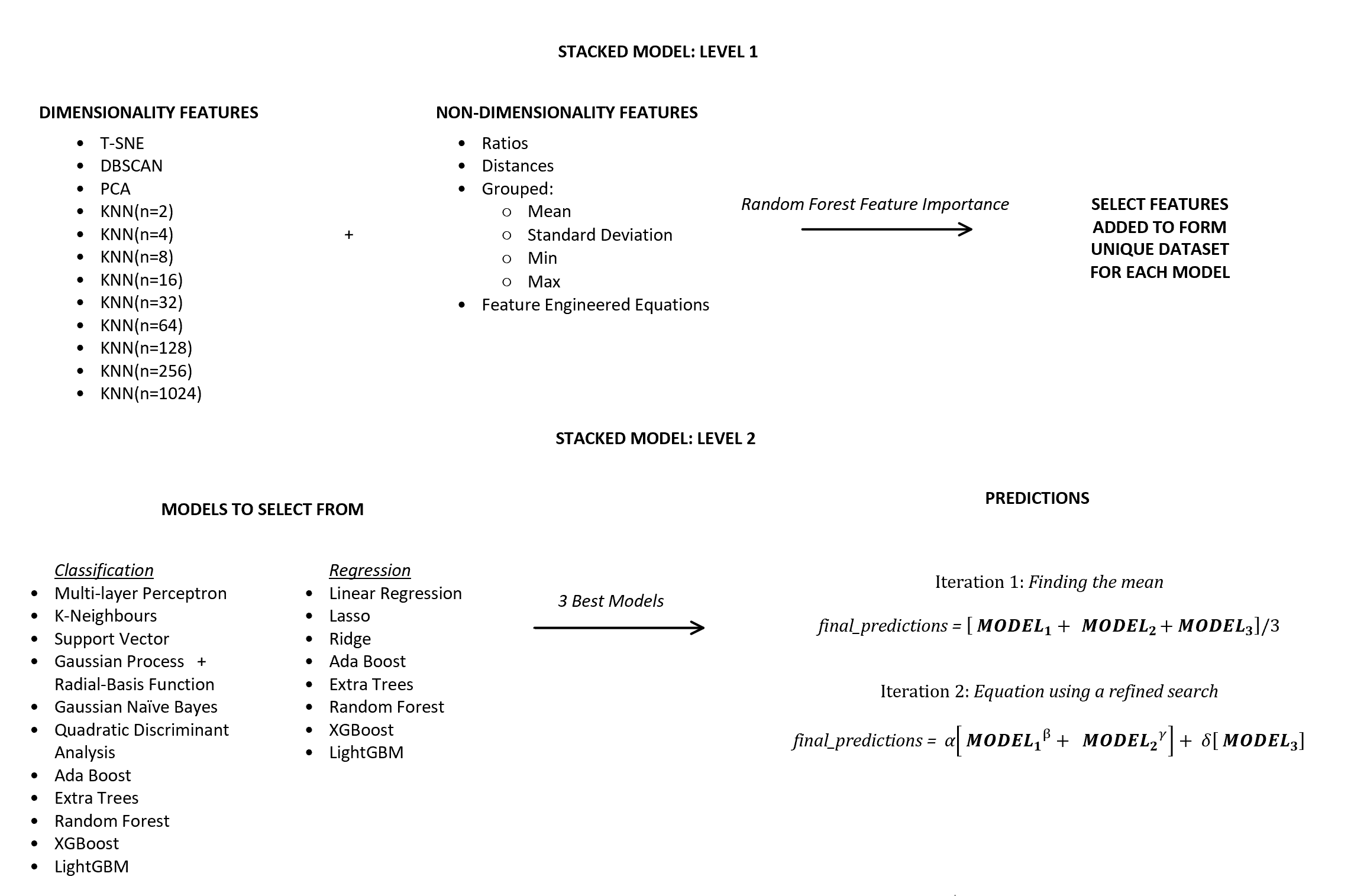
Stacking Machine Learning Models. Tunning; feature engineering, scaling, models combinations and parameters.
Repo CodeByHarri/Stacking-Ensemble-Machine-Learning, read from GitHub 5 h ago. CodeByHarri has not joined Take My Repo.
CodeByHarri/Stacking-Ensemble-Machine-Learning is a public repo on GitHub by CodeByHarri. Stacking Machine Learning Models. Tunning; feature engineering, scaling, models combinations and parameters. It declares no license on GitHub. Public does not mean open source: without a license, nobody is granted the right to reuse it. It is written mainly in Jupyter Notebook, has 11 stars and last changed on 2020-10-04. Nobody has reviewed it on Take My Repo yet, which says nothing about its quality. Read from GitHub on 2026-11-19.
GitHub is limiting requests or did not answer. The facts on this page still come from the last successful read.
Open on GitHubCodeByHarri/Stacking-Ensemble-Machine-Learning is a public repo on GitHub by CodeByHarri. Stacking Machine Learning Models. Tunning; feature engineering, scaling, models combinations and parameters.
It declares no license on GitHub. Public does not mean open source: without a license, nobody is granted the right to reuse it.
Its maker has not tagged a system, so it is unknown here. Its README says what it needs.
Open "Take it" on its page: Take My Repo writes an install plan for your machine and hands it to your AI agent (Claude Code, Codex or Cursor), which asks you before each step. Take My Repo has not tested it on any machine.
A collection of research papers on decision, classification and regression trees with implementations.
Its last change on GitHub was on 2020-10-04. Take My Repo does not judge from that whether it is maintained.
Nobody has reviewed it on Take My Repo yet, which says nothing about its quality.
Projects I completed as a part of Great Learning's PGP - Artificial Intelligence and Machine Learning
Statsmodels: statistical modeling and econometrics in Python
Valid and adaptive prediction intervals for probabilistic time series forecasting.


