Awesome-Repo-Level-Code-Generation
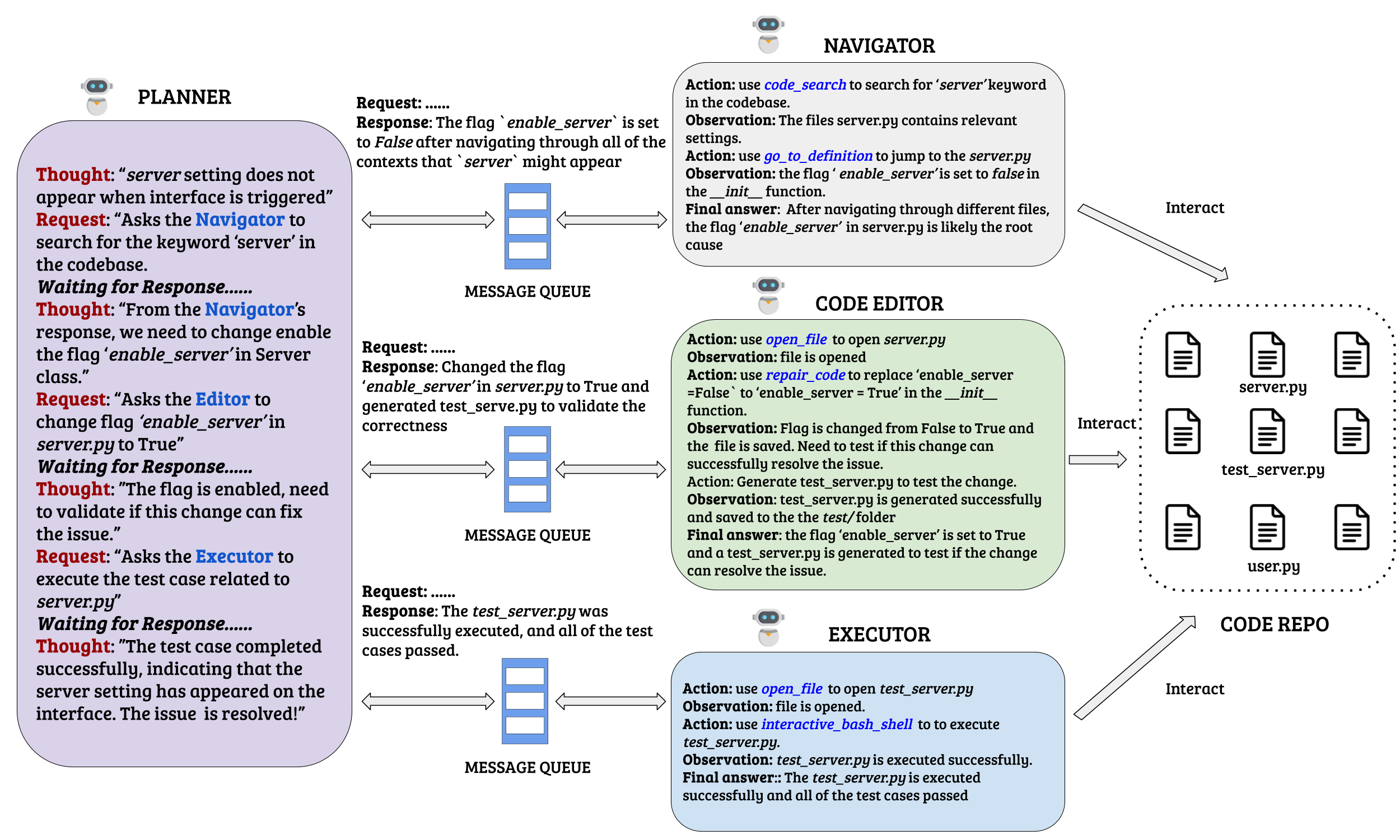
Must-read papers on Repository-level Code Generation & Issue Resolution 🔥
- 339
- MIT
- 2 wk ago
[ICSE 2026] TestWeaver: Execution-aware, Feedback-driven Regression Testing Generation with Large Language Models
Repo FSoft-AI4Code/TestWeaver, read from GitHub 1 min ago. FSoft-AI4Code has not joined Take My Repo.
FSoft-AI4Code/TestWeaver is a public repo on GitHub by FSoft-AI4Code. [ICSE 2026] TestWeaver: Execution-aware, Feedback-driven Regression Testing Generation with Large Language Models. It declares the Apache-2.0 license on GitHub. It is written mainly in Python, has 6 stars and last changed on 2026-05-13. Nobody has reviewed it on Take My Repo yet, which says nothing about its quality. Read from GitHub on 2026-11-20.
FSoft-AI4Code/TestWeaver is a public repo on GitHub by FSoft-AI4Code. [ICSE 2026] TestWeaver: Execution-aware, Feedback-driven Regression Testing Generation with Large Language Models.
It declares the Apache-2.0 license on GitHub.
Its maker has not tagged a system, so it is unknown here. Its README says what it needs.
Open "Take it" on its page: Take My Repo writes an install plan for your machine and hands it to your AI agent (Claude Code, Codex or Cursor), which asks you before each step. Take My Repo has not tested it on any machine.
Its last change on GitHub was on 2026-05-13. Take My Repo does not judge from that whether it is maintained.
Nobody has reviewed it on Take My Repo yet, which says nothing about its quality.
Must-read papers on Repository-level Code Generation & Issue Resolution 🔥
Langflow is a powerful tool for building and deploying AI-powered agents and workflows.
Implement a ChatGPT-like LLM in PyTorch from scratch, step by step
🎓 Automatically Update AI4Science Papers by Category Daily using Github Actions
Course to get into Large Language Models (LLMs) with roadmaps and Colab notebooks.
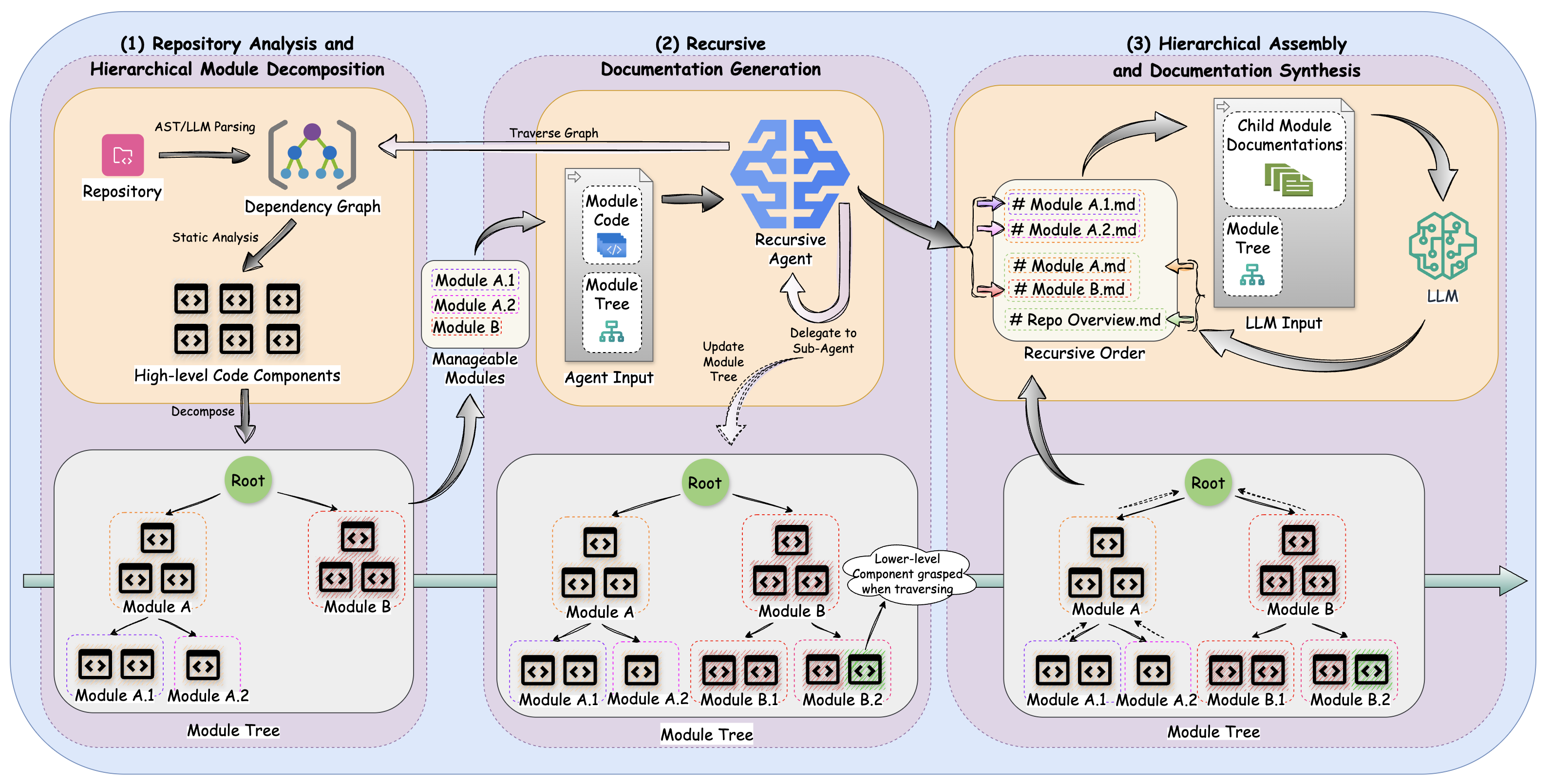
[ACL 2026] Open-source framework for holistic, structured repository-level documentation across multilingual codebases
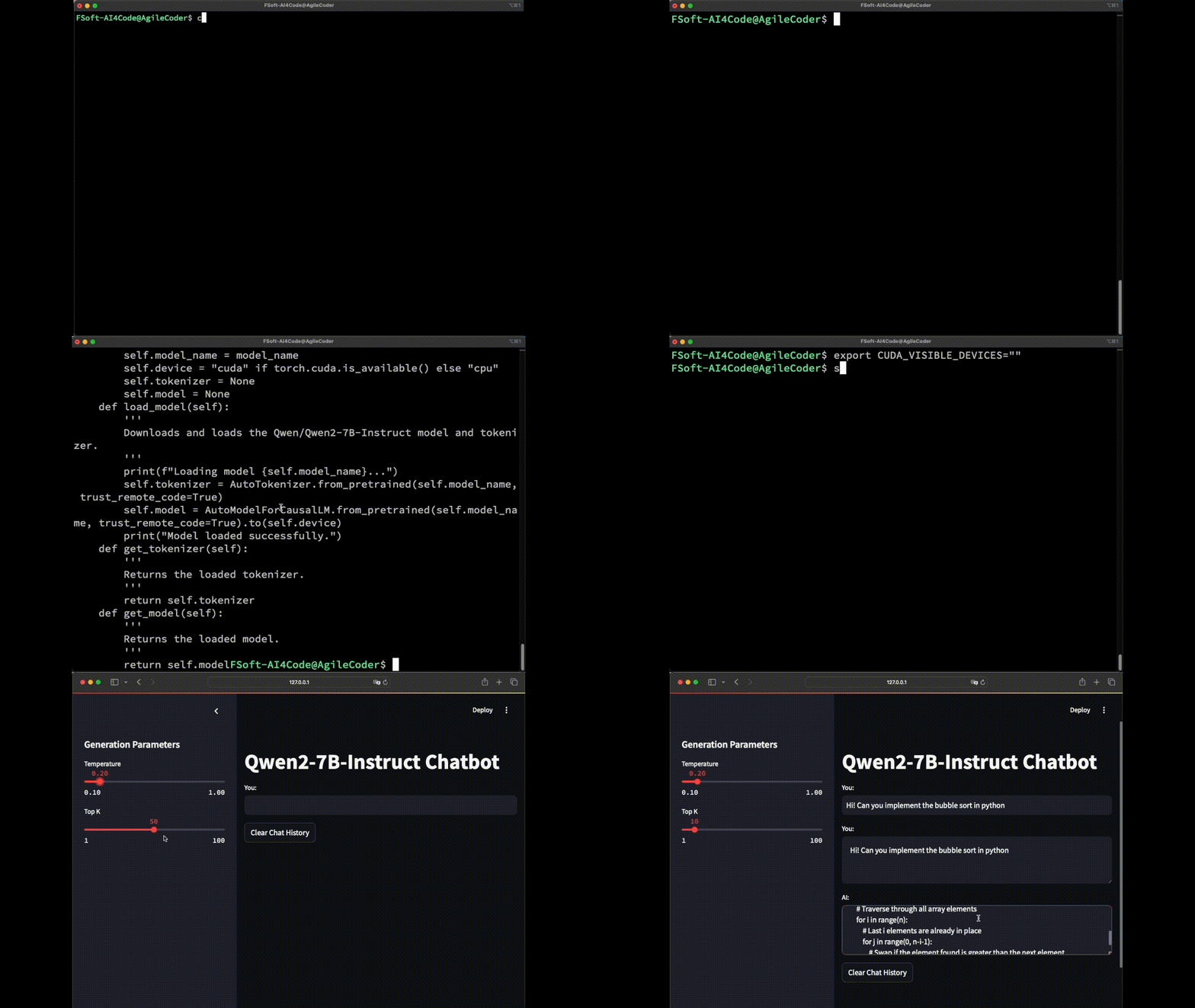
[FORGE 2025] Incorporating Agile methodology into agents to create complex real-world softwares
[NAACL 2025] Benchmark for Repository-Level Code Generation, focus on Executability, Correctness from Test Cases and Usage of Contexts from Cross-file Dependencies
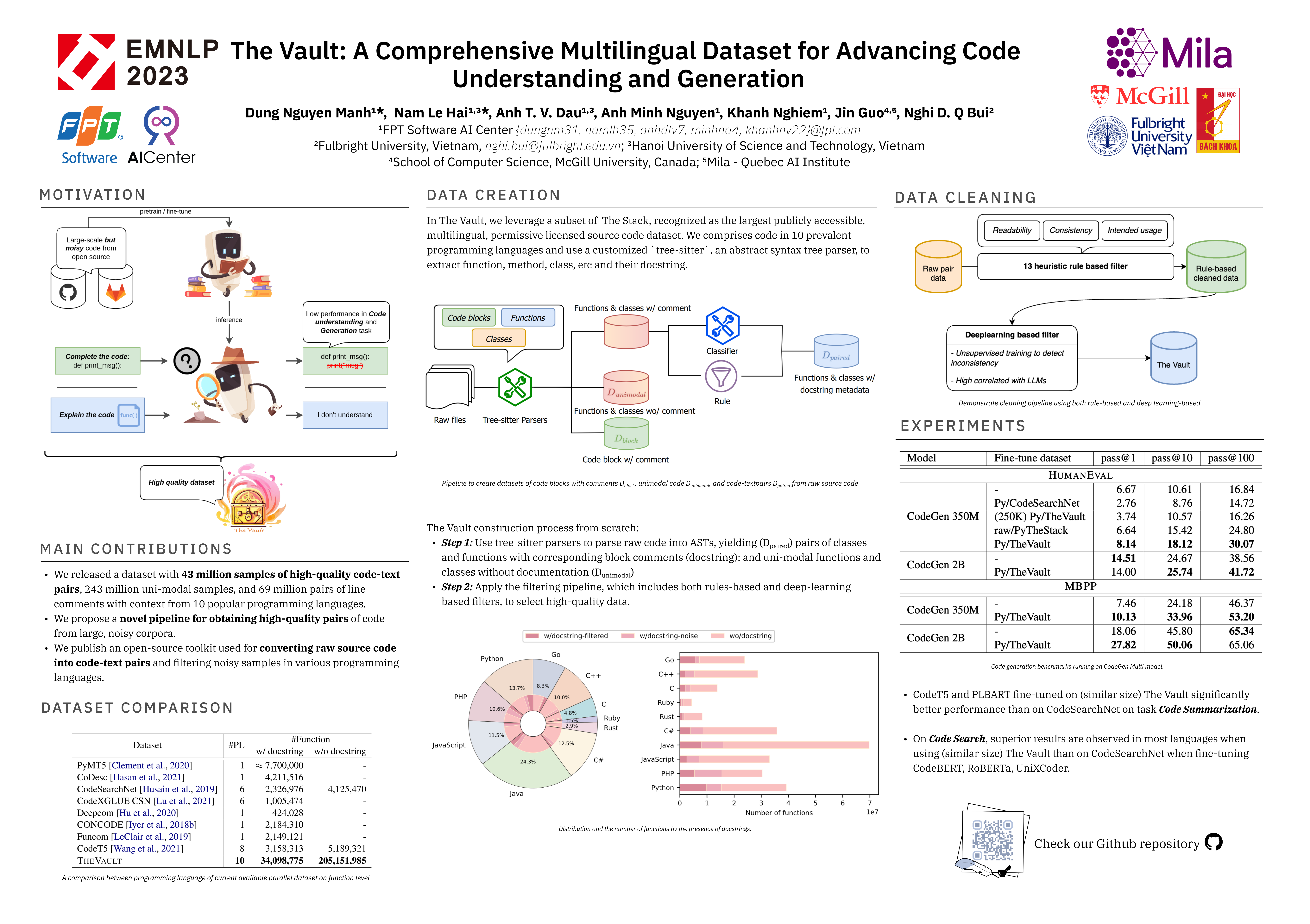
[EMNLP 2023] The Vault: A Comprehensive Multilingual Dataset for Advancing Code Understanding and Generation