word-atlas
词光 · Word Atlas — Illustrated IELTS vocabulary with 7,298 words, UK/US audio and FSRS review. Open-source app + CC BY 4.0 dataset.
- 5.1k
- TypeScript
- 8 d ago
Final project Java
Repo InfinityZero3000/FSRSpring, read from GitHub 13 h ago. InfinityZero3000 has not joined Take My Repo.
InfinityZero3000/FSRSpring is a public repo on GitHub by InfinityZero3000. Final project Java. It declares the MIT license on GitHub. It is written mainly in TypeScript, has 1 stars and last changed on 2026-06-03. Nobody has reviewed it on Take My Repo yet, which says nothing about its quality. Read from GitHub on 2026-11-21.
InfinityZero3000/FSRSpring is a public repo on GitHub by InfinityZero3000. Final project Java.
It declares the MIT license on GitHub.
Its maker has not tagged a system, so it is unknown here. Its README says what it needs.
Open "Take it" on its page: Take My Repo writes an install plan for your machine and hands it to your AI agent (Claude Code, Codex or Cursor), which asks you before each step. Take My Repo has not tested it on any machine.
Its last change on GitHub was on 2026-06-03. Take My Repo does not judge from that whether it is maintained.
Nobody has reviewed it on Take My Repo yet, which says nothing about its quality.
词光 · Word Atlas — Illustrated IELTS vocabulary with 7,298 words, UK/US audio and FSRS review. Open-source app + CC BY 4.0 dataset.
A modern Anki custom scheduling based on Free Spaced Repetition Scheduler algorithm
【egg rolls】JLPT N1~N5 一万词 Anki 牌组【简/繁】【语音&例句】;Anki,日语,日文,日本語,牌组,卡组,牌組,卡組,能力考,日檢
Evidence-based learning engine — first-principles curricula, free-recall verification with receipts, FSRS-scheduled memory, and explorable artifacts. Learn anything; keep it.
ts-fsrs is a versatile package written in TypeScript that supports ES modules, CommonJS, and UMD.
Next-gen AI language tutor utilizing a novel Trace-CAG pipeline for zero-hallucination pedagogical feedback
Customer emotion recognition is technology that helps businesses automatically understand customer feelings.
JohnHenry/Freelancer - Web programming course project: A clone of the John Henry fashion website featuring data crawling images, prices, UI reproduction, and upgraded features.
AI-powered skin cancer detection system using HybridViT (CNN + CBAM + Vision Transformer). Classifies 9 types of skin lesions with 90%+ accuracy. Professional Streamlit web app with intuitive interface.
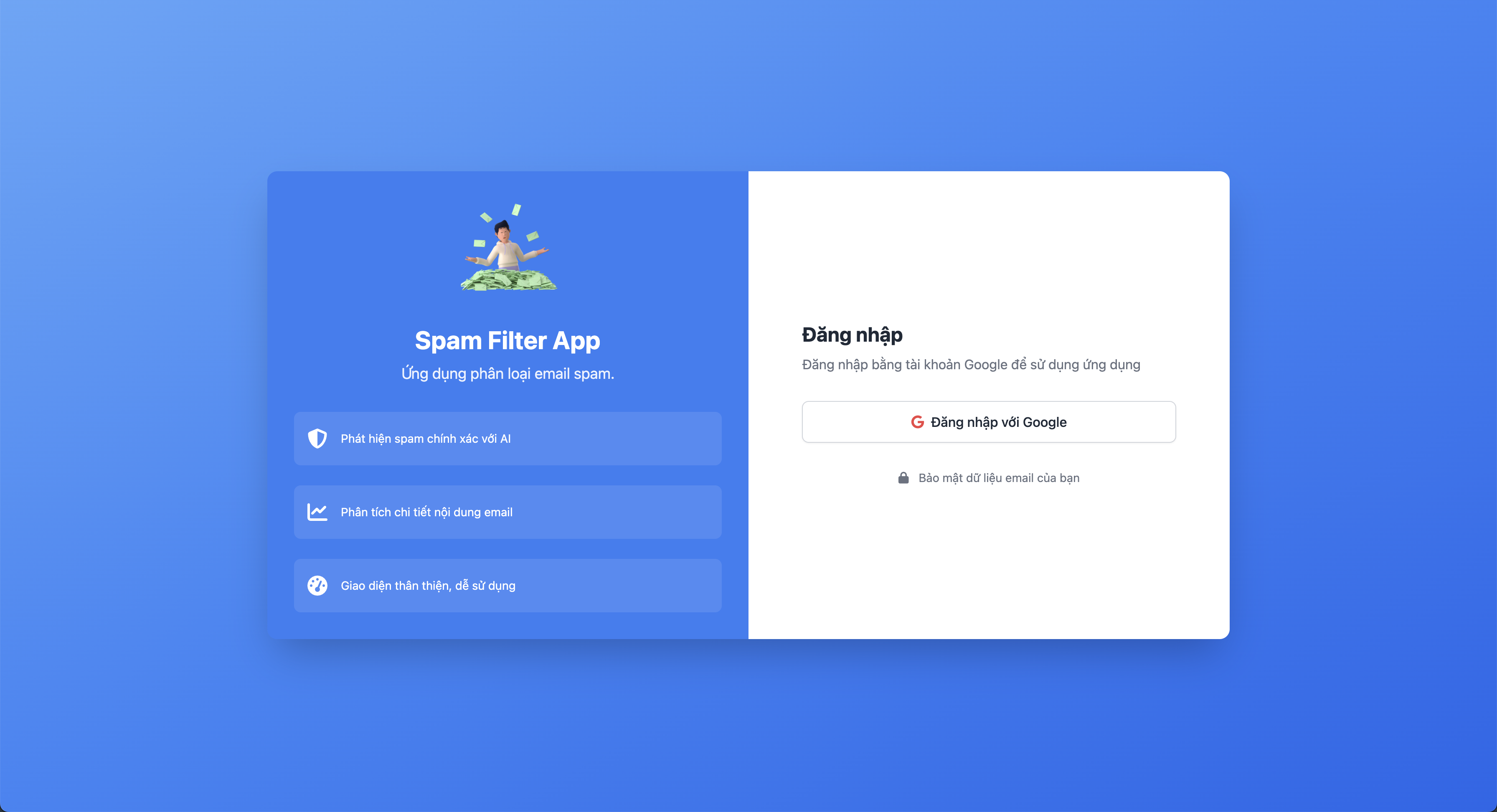
Spam-email-classify is the process of automatically identifying and categorizing emails as unsolicited junk (spam) or legitimate messages.
This is a Pacman game, but in maze form, the interface is created using the pygame library and supports path finding algorithms for Pacman to avoid ghosts, bombs and pass the maze.