ECC
The agent harness performance optimization system. Skills, instincts, memory, security, and research-first development for Claude Code, Codex, Opencode, Cursor and beyond.
- 309k
- JavaScript
- MIT
- 3 d ago
Guaranteed 100% schema-valid JSON from LLMs via constrained decoding — vLLM + Pydantic + OpenAI SDK. Companion code for the YouTube video.
Repo Leon-Sander/LLMStructuredOutput, read from GitHub 4 h ago. Leon-Sander has not joined Take My Repo.
Leon-Sander/LLMStructuredOutput is a public repo on GitHub by Leon-Sander. Guaranteed 100% schema-valid JSON from LLMs via constrained decoding — vLLM + Pydantic + OpenAI SDK. Companion code for the YouTube video. It declares no license on GitHub. Public does not mean open source: without a license, nobody is granted the right to reuse it. It is written mainly in Jupyter Notebook, has 0 stars and last changed on 2026-08-10. Nobody has reviewed it on Take My Repo yet, which says nothing about its quality. Read from GitHub on 2026-11-22.
Leon-Sander/LLMStructuredOutput is a public repo on GitHub by Leon-Sander. Guaranteed 100% schema-valid JSON from LLMs via constrained decoding — vLLM + Pydantic + OpenAI SDK. Companion code for the YouTube video.
It declares no license on GitHub. Public does not mean open source: without a license, nobody is granted the right to reuse it.
Its maker has not tagged a system, so it is unknown here. Its README says what it needs.
Open "Take it" on its page: Take My Repo writes an install plan for your machine and hands it to your AI agent (Claude Code, Codex or Cursor), which asks you before each step. Take My Repo has not tested it on any machine.
Its last change on GitHub was on 2026-08-10. Take My Repo does not judge from that whether it is maintained.
The agent harness performance optimization system. Skills, instincts, memory, security, and research-first development for Claude Code, Codex, Opencode, Cursor and beyond.
Nobody has reviewed it on Take My Repo yet, which says nothing about its quality.
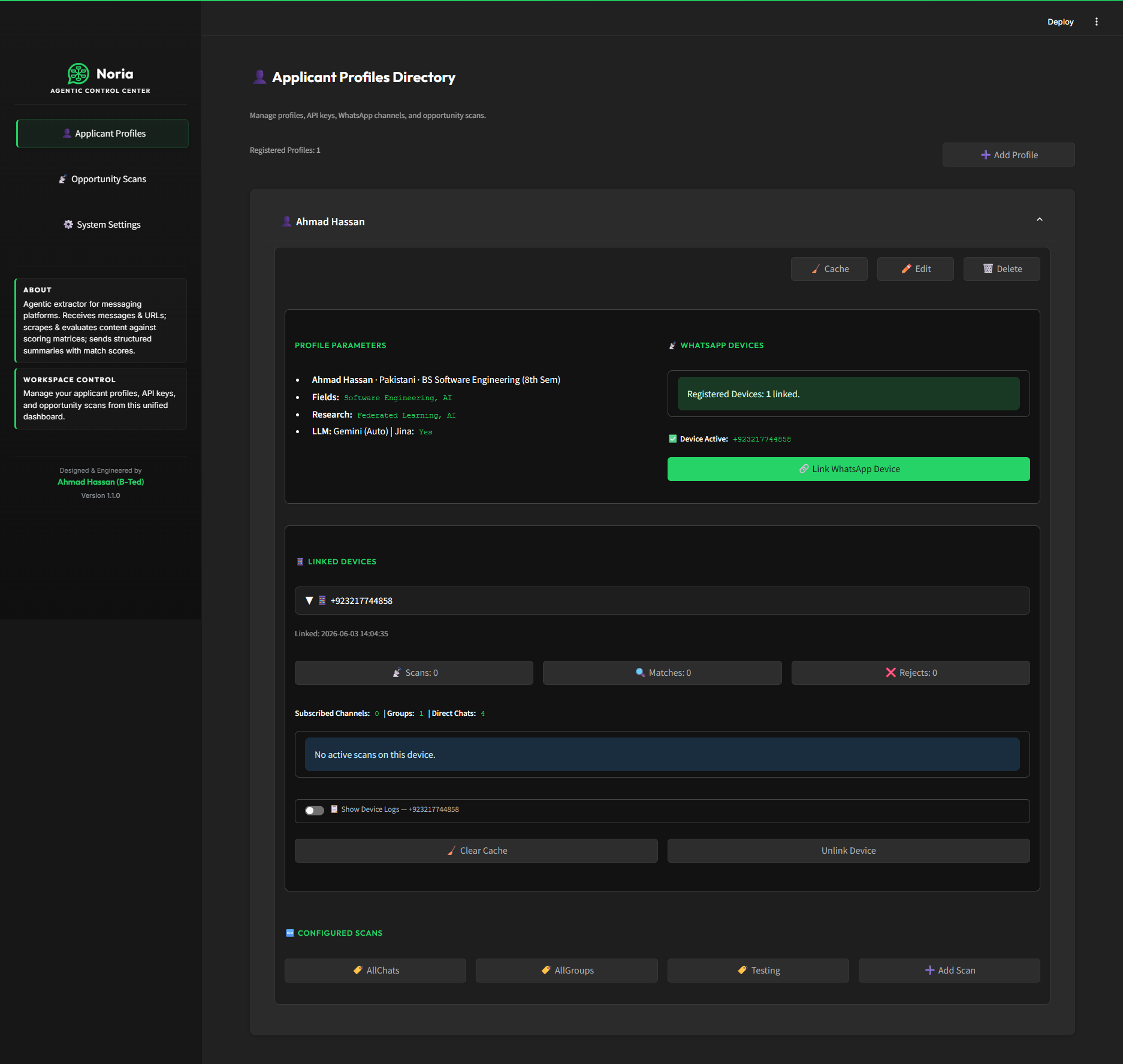
An agentic extractor for messaging platforms. Noria receives messages & URLs via chat; scrapes web data to evaluate the content against custom scoring matrices (e.g., jobs, scholarships); and sends a structured summary with a calculated match score directly to the assigned messenger number.
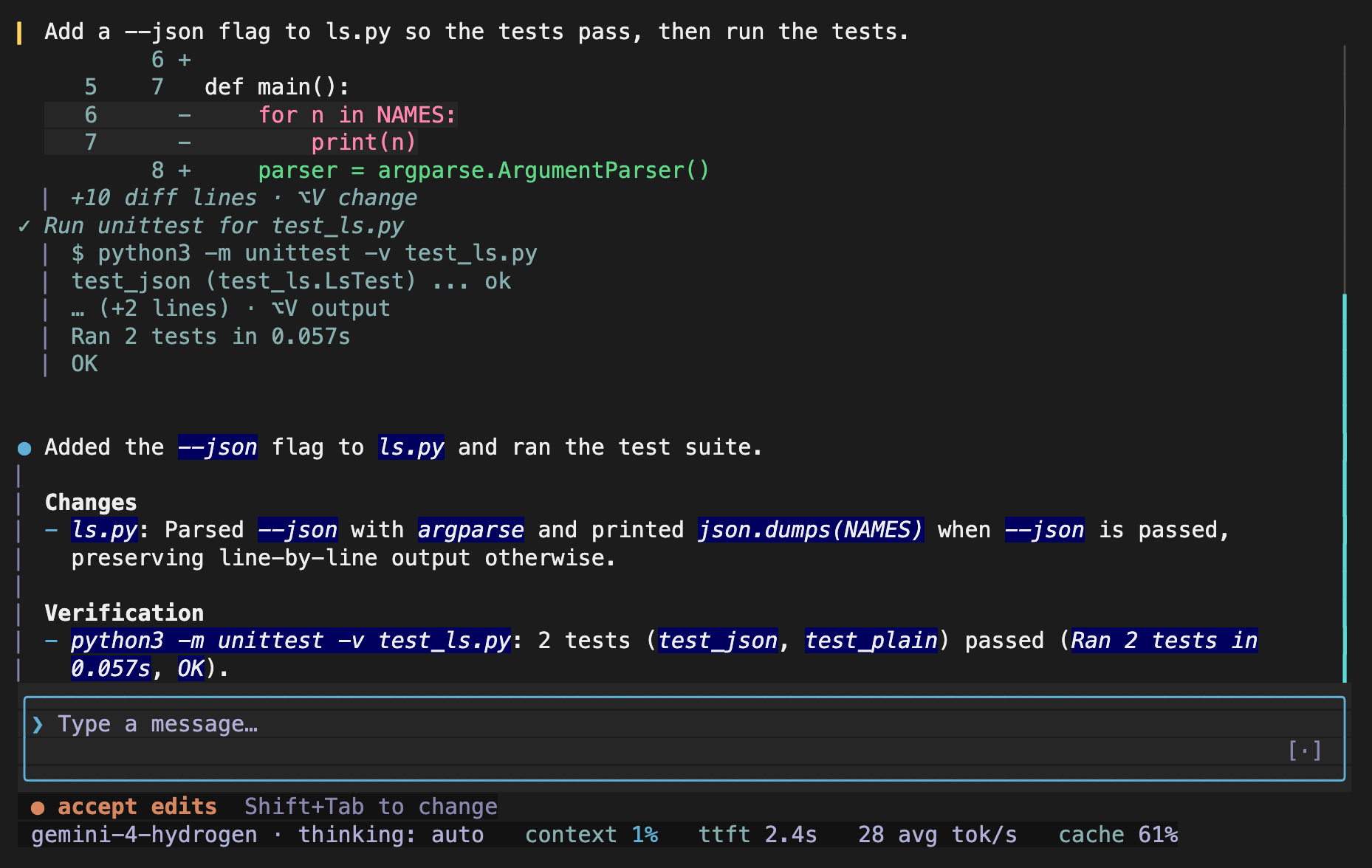
An open-source coding agent for your terminal, written in Rust. It works with any model, can split one task across several agents, and every line of it is yours to read.
Self-hostable multimodal chat with local LLMs (Ollama/OpenAI): PDF RAG, image chat, and Whisper voice, Streamlit + Docker.
Telegram bot that answers questions over your PDFs using retrieval-augmented generation (LangChain + FAISS).