
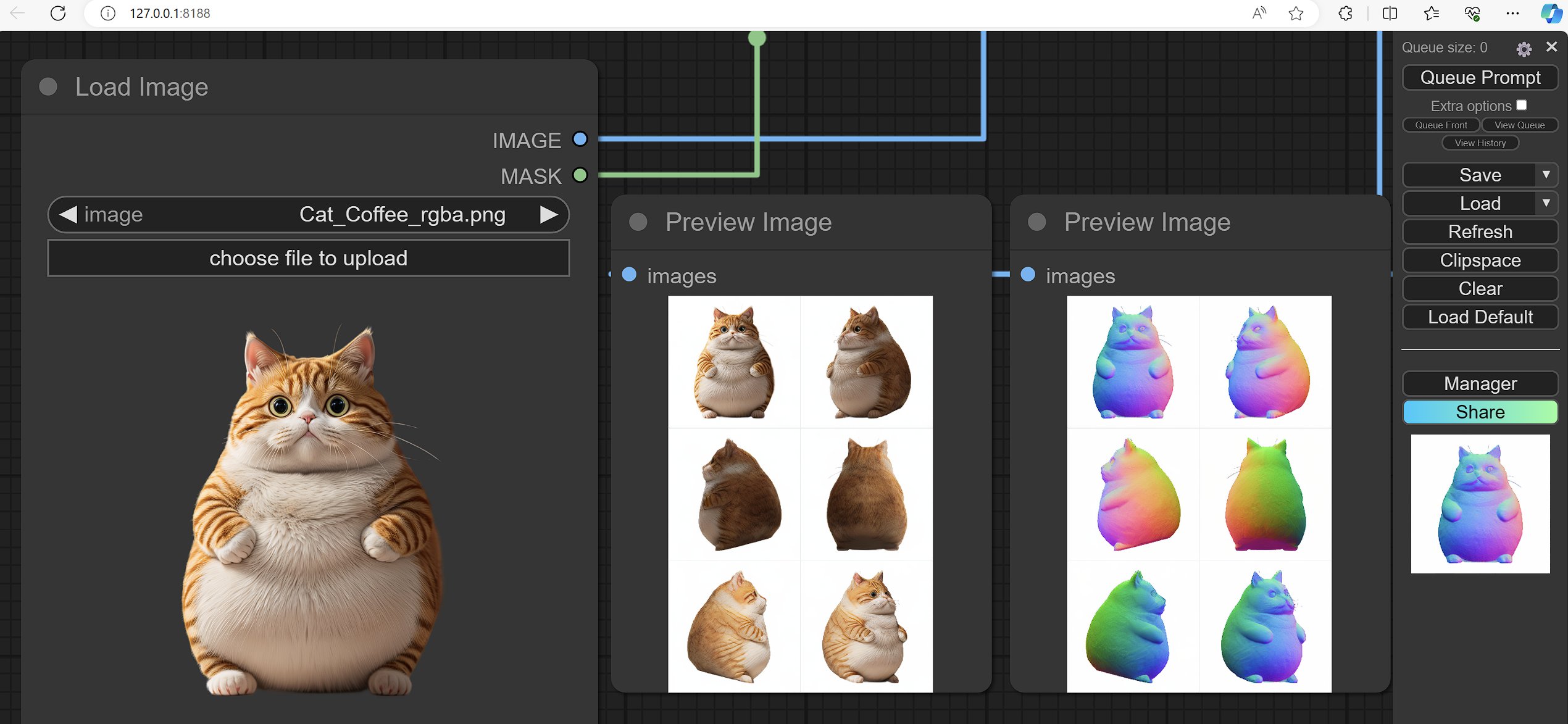
ComfyUI-3D-Pack
An extensive node suite that enables ComfyUI to process 3D inputs (Mesh & UV Texture, etc) using cutting edge algorithms (3DGS, NeRF, etc.)
- 3.9k
- Python
- MIT
- 11 mo ago
Use enhanced methods of feature engineering and construct deep machine learning model to predict the UFC fight statistics result in detail
Repo MrForExample/Weighted-UFC-Fight-Predictor, read from GitHub 1 min ago. MrForExample has not joined Take My Repo.
MrForExample/Weighted-UFC-Fight-Predictor is a public repo on GitHub by MrForExample. Use enhanced methods of feature engineering and construct deep machine learning model to predict the UFC fight statistics result in detail. It declares the MIT license on GitHub. It is written mainly in Python, has 2 stars and last changed on 2020-11-12. Nobody has reviewed it on Take My Repo yet, which says nothing about its quality. Read from GitHub on 2026-11-22.
Use enhanced methods of feature engineering and construct deep machine learning model to predict the UFC fight statistics result in detail
One example result of evaluate ensemble model on test dataset :
  {
      "loss": 3.3663954734802246,
      "fight_predict_ensemble_model_distribution_output_loss": 0.701763391494751,
      "fight_predict_ensemble_model_percentage_output_loss": 0.623022198677063,
      "fight_predict_ensemble_model_numerical_output_loss": 0.27584293484687805,
      "fight_predict_ensemble_model_distribution_output_accuracy": 0.8292058110237122,
      "fight_predict_ensemble_model_distribution_output_overall_accuracy": 0.8573868274688721,
      "fight_predict_ensemble_model_distribution_output_overall_force_pick_accuracy": 0.8467122316360474,
      "fight_predict_ensemble_model_percentage_output_masked_mae_accuracy": 0.17389175295829773,
      "fight_predict_ensemble_model_numerical_output_masked_mae_accuracy": 1.228183388710022
  }
One example plots value over epoch during training, train(Red)/verification(Green):
| 7 outputs accuracy | 3 outputs overall_accuracy | 3 outputs overall_force_pick_accuracy |
 |
 |
 |
| 26 numerical outputs MAE | 19 percentage outputs MAE | |
 |
 |
One example predict:
  # Fighters_0 = [Khabib Nurmagomedov, Justin Gaethje] Fighters_1 = [Georges St-Pierre, Conor McGregor]
  # Khabib Nurmagomedov VS Georges St-Pierre and Justin Gaethje VS Conor McGregor
  {
      "TKO_WIN_%_D_TAR_0": [
          0.018855955451726913,
          0.0015239701606333256
      ],
      "TKO_WIN_%_D_TAR_1": [
          0.002628082875162363,
          0.4555078446865082    # Conor McGregor win by KO/TKO
      ],
      "SUB_WIN_%_D_TAR_0": [
          0.49178606271743774,  # Khabib Nurmagomedov win by submission
          0.003942216746509075
      ],
      "SUB_WIN_%_D_TAR_1": [
          0.09372948110103607,
          0.028019540011882782
      ],
      "DEC_WIN_%_D_TAR_0": [
          0.30452772974967957,
          0.019140129908919334
      ],
      "DEC_WIN_%_D_TAR_1": [
          0.08724634349346161,
          0.48894381523132324
      ],
      "DEC_DRAW_%_D_TAR_2": [
          0.0012263769749552011,
          0.0029224955942481756
      ],
      "SIG_STR_%_P_TAR_0": [
          0.47973644733428955,
          0.38478678464889526
      ],
      "SIG_STR_%_P_TAR_1": [
          0.4234834611415863,
          0.4939485490322113 # Conor McGregor nearly 50% significant striking accuracy
      ],
      "TOTAL_STR_%_P_TAR_0": [
          0.5588271617889404,
          0.44314974546432495
      ],
      "TOTAL_STR_%_P_TAR_1": [
          0.507739782333374,
          0.5454508066177368
      ],
      "TD_%_P_TAR_0": [
          0.4940500259399414, # Khabib Nurmagomedov nearly 50% takedown accuracy
          0.2591354250907898
      ],
      "TD_%_P_TAR_1": [
          0.3813019394874573,
          0.485202431678772
      ],
      "HEAD_%_P_TAR_0": [
          0.3956388831138611,
          0.28784847259521484
      ],
      "HEAD_%_P_TAR_1": [
          0.3242433965206146,
          0.4244728088378906
      ],
      "BODY_%_P_TAR_0": [
          0.6927289366722107,
          0.6237716674804688
      ],
      "BODY_%_P_TAR_1": [
          0.652218222618103,
          0.702499270439148
      ],
      "LEG_%_P_TAR_0": [
          0.8070068359375,
          0.7762691974639893
      ],
      "LEG_%_P_TAR_1": [
          0.7821207046508789,
          0.8288556933403015
      ],
      "DISTANCE_%_P_TAR_0": [
          0.3954578638076782,
          0.3448685109615326
      ],
      "DISTANCE_%_P_TAR_1": [
          0.3588932752609253,
          0.418337345123291
      ],
      "CLINCH_%_P_TAR_0": [
          0.6884596347808838,
          0.6298392415046692
      ],
      "CLINCH_%_P_TAR_1": [
          0.6621456146240234,
          0.6730318069458008
      ],
      "GROUND_%_P_TAR_0": [
          0.7203129529953003,
          0.6515354514122009
      ],
      "GROUND_%_P_TAR_1": [
          0.6871642470359802,
          0.7184233665466309
      ],
      "FIGHT_MINUTE_P_TAR_2": [
          0.6628755331039429,     # Fight likely end in round 4
          0.6443588137626648
      ],
      "KD_N_TAR_0": [
          0.0,
          0.0
      ],
      "KD_N_TAR_1": [
          0.0,
          0.0
      ],
      "CTRL_N_TAR_0": [
          0.2795903980731964,
          0.09721415489912033
      ],
      "CTRL_N_TAR_1": [
          0.20967906713485718,
          0.22527733445167542
      ],
      "REV_N_TAR_0": [
          0.0,
          0.0
      ],
      "REV_N_TAR_1": [
          0.0,
          0.0
      ],
      "SUB_ATT_N_TAR_0": [
          0.0,
          0.0
      ],
      "SUB_ATT_N_TAR_1": [
          0.017563339322805405,
          0.009907504543662071
      ],
      "SIG_STR_N_TAR_0": [
          6.956855773925781,
          7.700923442840576
      ],
      "SIG_STR_N_TAR_1": [
          5.8716583251953125,
          13.583786010742188
      ],
      "TOTAL_STR_N_TAR_0": [
          9.085978507995605,
          8.627628326416016
      ],
      "TOTAL_STR_N_TAR_1": [
          7.455966472625732,
          15.579353332519531
      ],
      "TD_N_TAR_0": [
          0.40830904245376587,
          0.46095019578933716
      ],
      "TD_N_TAR_1": [
          0.39187222719192505,
          0.3716878294944763
      ],
      "HEAD_N_TAR_0": [
          5.447246551513672,
          5.96542501449585
      ],
      "HEAD_N_TAR_1": [
          4.5015058517456055,
          11.297475814819336
      ],
      "BODY_N_TAR_0": [
          1.0024008750915527,
          1.1166326999664307
      ],
      "BODY_N_TAR_1": [
          0.9023560285568237,
          1.6174286603927612
      ],
      "LEG_N_TAR_0": [
          0.7570849657058716,
          0.9917914271354675
      ],
      "LEG_N_TAR_1": [
          0.7891854047775269,
          1.1353216171264648
      ],
      "DISTANCE_N_TAR_0": [
          5.170804500579834,
          7.14656400680542
      ],
      "DISTANCE_N_TAR_1": [
          4.790334224700928,
          9.43560791015625
      ],
      "CLINCH_N_TAR_0": [
          0.8629059791564941,
          0.8127731680870056
      ],
      "CLINCH_N_TAR_1": [
          0.7865716814994812,
          1.9877636432647705
      ],
      "GROUND_N_TAR_0": [
          1.4952468872070312,
          0.2971571385860443
      ],
      "GROUND_N_TAR_1": [
          0.878318727016449,
          3.394411087036133
      ]
  }
If one simply made the MLP(multilayer perceptron) a classification model and feed in fighter's normalized average statistics attributes (e.g average striking accuracy) then the best overall classification accuracy one can get is around 70% (i.e better than picking favourite given around 60% chance of winning), yet model trained in this work given overall classification accuracy around 80% on test dataset(when sample test dataset evenly using chunks uniform sample method, test overall classification accuracy usually above 80%, ensemble model can reach even higher overall classification accuracy on test dataset around 85%, verification overall classification accuracy when training usually in range of 75%-80% due to uneven sampling of verification dataset), this work are better than just simple deep classification model mainly due to three key components:
Calculate weighted statistics attributes for each fighter from they past fight in recursive fashion, use fighter's attributes relevant to other fighter's attributes to approximate they true ability, i.e fighter's ability is depending on they opponent's ability, e.g if both fighter have same striking accuracy from they past fight usually not mean they have same striking ability, who is better is depending on they opponent's defending ability. process like simply average the value will loss those important information, and this is crucial, because many belive that better data beat state-of-the-art algorithm.
Specially designed MLP structure and fight dataset doubling & switch process to make fighter's attributes input position irrelevant to model's predict results, e.g change fighter's coner position or glove color would have no effect on who will win the fight, should only switch the winner's coner position or glove color, lot of other UFC fight predictor model on internet using this misleading information when training the model in order to reach higher number on test accuracy, which will misleading model and reduces its general performance, remove this disturbance source is good for model to pay more attention on things that really matter.
Mixed model objective that make MLP a classification & regression model can learn and predict the fight in detail, we want not only the model can simply give us the overall classification on who will win the fight, but also give us some more detail! e.g how much probability one fighter may win specific opponent by KO/TKO or submission or decisions respectively? what is one fighter's takedown accuracy over specific opponent? Another benefit about make model predict fight in detail is it will force model learn data's pattern in detail which make overall classification more general.
Scrapy runspider ./Code/Data_Gathering/[spider script name], Run all scripts directly in project root pathtensorboard --logdir logs/fit to tracking the training dynamic, go to evaluate directory to check models evaluate result on test dataset, predict result located at predict directoryReformat Raw Data: Filter useful data in raw data, change number from string to correspond float or int, change category description to correspond abbreviation(e.g Submission -> SUB), change date format to %Y-%m-%d, change feet, inchs to centimeters, set missing data to np.nan, etc
Build Fight Data: Build features and labels of fight data from reformated data for training and testing model, or build features for model to predict. Most important one type of features is weighted relative accuracy:
# e.g calculate fighter_0's weighted relative striking accuracy(wrsa) & fighter_1's weighted relative defending accuracy(wrda),
# in order to approximate true ability of fighter_0's striking and fighter_0's defending, vice versa
now_target_wrsa = striks_land_num / total_striks_num
now_expect_wrsa = (last_wrsa + (1 - last_wrda)) / 2
max_update_value = now_target_wrsa - now_expect_wrsa

# fighter_0's wrsa change percentage is determining by ratio between fighter_0's striking number per minute,
# and current fight to sum of fighter_0's striking number per minute in fighter_0's all fight
sum_all_striking_num_per_minute = last_all_striking_num_per_minute + now_striking_num_per_minute
change_percent_wrsa = now_striking_num_per_minute / sum_all_striking_num_per_minute
new_wrsa = (last_wrsa + max_update_value) * change_percent_wrsa + (1 - change_percent_wrsa) * last_wrsa

# fighter_1's wrda change percentage is determining by ratio between fighter_0's striking number per minute,
# and current fight to sum of fighter_1's opponents striking number per minute in fighter_1's all last fight
sum_all_defending_num_per_minute = last_all_defending_num_per_minute + now_defending_num_per_minute
change_percent_wrda = now_defending_num_per_minute / sum_all_defending_num_per_minute
new_wrda = (last_wrda + max_update_value) * change_percent_wrda + (1 - change_percent_wrda) * last_wrda
When split dataset into train/test dataset, beside simply uniformly sample from dataset, this work also provide other chunks uniform sample method, first divide dataset(fight ordered by date of fight) to chunks with specified size, then uniformly sample within each chunks, then combine all samples, by doing so one can get test dataset more uniformly distributed with respect to time of fight happened.
Doubling & switch process can help to make fighter's attributes input position irrelevant to model's predict results, what this process did just duplicate the entire fight dataset and switch position of fighter_0 and fighter_1's data(for both features and labels), i.e 0 <=> 1, e.g features: TD_DEF_W_0 <=> TD_DEF_W_1, labels: SIG_STR_N_TAR_0 <=> SIG_STR_N_TAR_1, etc.
This work using Mean normalization for feature scaling, i.e x_new = (x - mean) / (x_max - x_min), then set all missing features in rescaled features to zero, which is average value in rescaled features.
Model Inputs: One complete model input data point contain one Fight Features and two Fighter Features(same features type and shape), way to distinguish two fighter features by _0 or _1, e.g TKO_WIN_%_0 or TKO_WIN_%_1
TKO_WIN_%, SUB_WIN_%, DEC_WIN_%, TKO_LOSS_%, SUB_LOSS_%, DEC_LOSS_%, DEC_DRAW_% : Fighter's average KO/TKO, submission, decision percentage from fighter's past fights to win, loss, draw/no-contest respectivelyAGE : Fight date minus fighter's day of birthREACH, HEIGHT : Fighter's arm span and height in centimeters, normalized before input to modelFIGHT_COUNT, FIGHT_MINUTE : Fighter's number of past fights and sum of past fights minutes, normalized before input to modelSTANCE_ORT, STANCE_SOU, STANCE_SWI : Fighter's stance, Orthodox, Southpaw, Switch, 1 if fighter have corresponding stance else 0, all 0 for unkonw stanceREV_I, REV_P : Fighter's average reversal and been reversal number per fight from fighter's past fightsKD : Knock downSIG_STR, TOTAL_STR : Significant striking and Total strikingTD : TakedownSUB_ATT : Submission attemptCTRL : Center control timeHEAD, Body, LEG : Significant striking to head, body ,legDISTANCE, CLINCH, GROUND : Striking when at distance, clinch, ground[COSA]_DEF, e.g TD_DEF for Takedown defence[COSA | CDSA]_W : Weighted relative accuracy for corresponding attributes with respect to fighter's past fight, e.g SIG_STR_W for significant striking weighted relative accuracy[COSA | CDSA]_AVG : Average accuracy for corresponding attributes with respect to fighter's past fight, e.g TOTAL_STR_AVG for total striking average accuracy[COSA | CDSA]_PM : Average number per minute for corresponding attributes with respect to fighter's past fight, e.g SUB_ATT_PM for Average number of submission attempt per minuteMAX_FIGHT_TIME : Maximum minutes the fight can go, normalized before input to modelWOMEN, STR, FLY, BAN, FEA, LIG, WEL, MID, LIGHEA, HEA : Shortening for corresponding weight class, again 1 if corresponding else 0, WOMEN determining fighter's gender 1 if is fight between women, or man 0Model Outputs: Distinguish from input features by _TAR, depanding on what the main goal is, one can change the losses_weight in Settings.py to make model focus on some objective over other
_D, output activation function using softmax, training using categorical_crossentropy,
TKO_WIN_%_D_TAR, SUB_WIN_%_D_TAR, DEC_WIN_%_D_TAR : Prediction on KO/TKO, submission, decision win probability for both fighterDEC_DRAW_%_D_TAR_2 : Probability of fight end up decision-draw/no-contest, useful to see how confindent the model is in its prediction_P, output activation function using sigmoid, training using masked_binary_crossentropy, mask ignore missing predict/label pair
SIG_STR_%_P, TOTAL_STR_%_P, TD_%_P, HEAD_%_P, BODY_%_P, LEG_%_P, DISTANCE_%_P, CLINCH_%_P, GROUND_%_P : Prediction on percentage of action fighter execute will success, e.g SIG_STR_%_P_0 for fighter_0's significant striking accuracy in fightFIGHT_MINUTE_P_TAR : Prediction on percentage of fight will last_N, output activation function using relu, training using masked_r2_loss, mask ignore missing predict/label pair
KD_N_TAR, SIG_STR_N_TAR, TOTAL_STR_N_TAR, TD_N_TAR, SUB_ATT_N_TAR, CTRL_N_TAR, REV_N_TAR, HEAD_N_TAR, BODY_N_TAR, LEG_N_TAR, DISTANCE_N_TAR, CLINCH_N_TAR, GROUND_N_TAR : Prediction on number per minute of action in fight the fighter will execute for both fighter, e.g HEAD_N_TAR_1 for fighter_1's number of significant striking will land on fighter_0's head per minute. this work also test on change this numerical output to predict total number in fight directly, change have little effect on resultModel Type:
Model Structure:
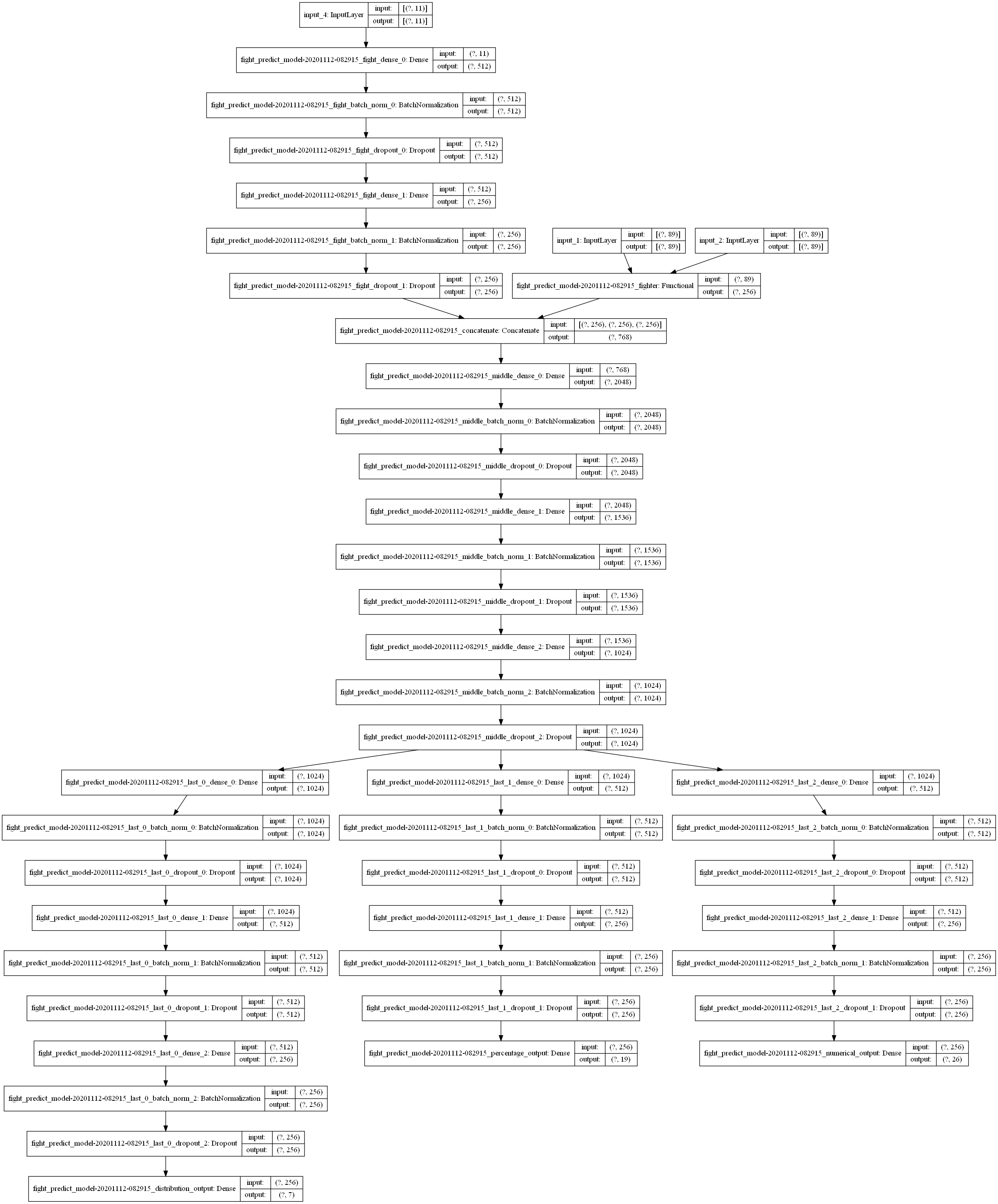
inputs -> fighter-MLP & fight-MLP -> middle-MLP -> three outputs_MLP -> three outputs: Two Fighter features through same MLP sub-model first, before feed to middle MLP, transfrom two fighter features to same latent space before make final prediction, not only reduce the parameters needed in MLP, but also pair it with doubling & switch process is helpful for make fighter's attributes input position irrelevant to model's predict results; Three outputs MLP at end is helpful for model focues on solve each output task respectively
One example model structure:

One example ensemble model structure:

Prdiction Metrics:
Although this work using only some of commonly used empirical methods to handle the missing data, more advanced methods could be helpful, e.g using regression model to predict the missing data in dataset.
There are lot more statistical data may help the model, e.g fighter's punch/kick speed and power, moving speed, stamina etc. but one can go beyond the simple statistical data, e.g get representation of fighter's fighting style may help the model greatly, one possible automated way to get those valuable data is to using the ML model(e.g CNN or Attention model) to process the video of fights, and get the skeleton animation for both fighter(i.e pose-estimation model), from there we can estimat the fighter's punch/kick speed and power, moving speed, stamina etc, then we can fit the skeleton animation to a latent variable model(e.g LSTM-Autoencoder) to get representation of fighter's fighting style, it is quite a big project.
Becasue the ML model used in this work just general classification & regression model, so any technique that can help with the classification or regression may also be helpful for task of this work, e.g Manifold Mixup: Better Representations by Interpolating Hidden States
MrForExample/Weighted-UFC-Fight-Predictor is a public repo on GitHub by MrForExample. Use enhanced methods of feature engineering and construct deep machine learning model to predict the UFC fight statistics result in detail.
It declares the MIT license on GitHub.
Its maker has not tagged a system, so it is unknown here. Its README says what it needs.
Open "Take it" on its page: Take My Repo writes an install plan for your machine and hands it to your AI agent (Claude Code, Codex or Cursor), which asks you before each step. Take My Repo has not tested it on any machine.
Its last change on GitHub was on 2020-11-12. GitHub counts 0 open issues and pull requests. Take My Repo does not judge from that whether it is maintained.
An extensive node suite that enables ComfyUI to process 3D inputs (Mesh & UV Texture, etc) using cutting edge algorithms (3DGS, NeRF, etc.)
Nobody has reviewed it on Take My Repo yet, which says nothing about its quality.
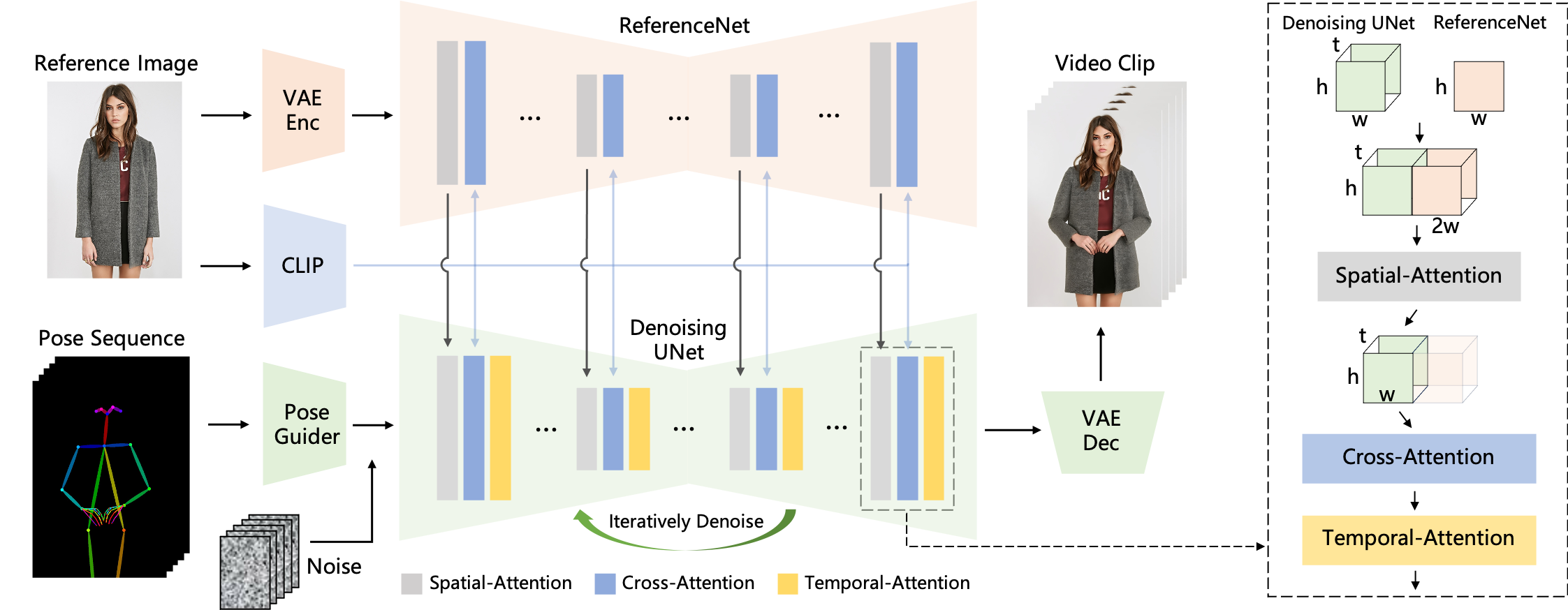
Improved AnimateAnyone implementation that allows you to use the opse image sequence and reference image to generate stylized video
Concise basic functions for slice skinned mesh in Unity3D; Accurately, Alternately, Asynchronously ; )
All the pre built dependencies for Comfy3D for all supported platforms
A giant made of magnets that no one can destory!!!