LightAutoML
Fast and customizable framework for automatic ML model creation (AutoML)
- 1.5k
- Python
- Apache-2.0
- 5 d ago
Successfully developed a robust customer churn prediction system using advanced machine learning models in R, leveraging techniques like logistic regression, decision trees, random forests, boosting, bagging, SVM, neural networks, and regularization methods (Lasso/Ridge).
Repo SayamAlt/Bank-Customer-Churn-Classification-using-Machine-Learning, read from GitHub 8 h ago. SayamAlt has not joined Take My Repo.
SayamAlt/Bank-Customer-Churn-Classification-using-Machine-Learning is a public repo on GitHub by SayamAlt. Successfully developed a robust customer churn prediction system using advanced machine learning models in R, leveraging techniques like logistic regression, decision trees, random forests, boosting, bagging, SVM, neural networks, and regularization methods (Lasso/Ridge). It declares the MIT license on GitHub. It is written mainly in R, has 0 stars and last changed on 2025-07-27. Nobody has reviewed it on Take My Repo yet, which says nothing about its quality. Read from GitHub on 2026-11-23.
Fast and customizable framework for automatic ML model creation (AutoML)
SayamAlt/Bank-Customer-Churn-Classification-using-Machine-Learning is a public repo on GitHub by SayamAlt. Successfully developed a robust customer churn prediction system using advanced machine learning models in R, leveraging techniques like logistic regression, decision trees, random forests, boosting, bagging, SVM, neural networks, and regularization methods (Lasso/Ridge).
We write your reusable computer vision tools. 💜
End to end projects-- Customer Churning prediction using Gradient Boost Classifier Algorithm perform pre-processing steps then fit data into the Algorithm and Hyper Parameter Tunning to reduce TN & FN value to perform our model to works with a new data. Finally deploying the model using Flask API
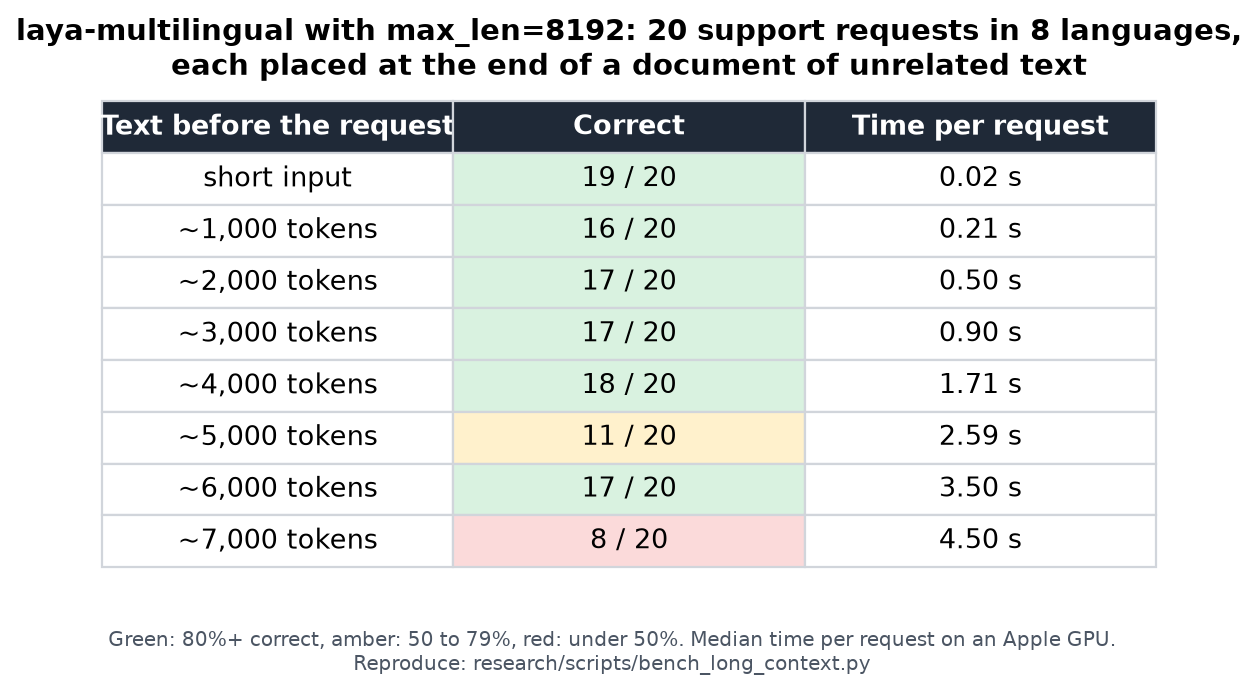
Non-autoregressive System 1 decision engine. Typed choice, score and yes/no decisions over any text in a single forward pass, in 100+ languages, with a router that picks the right checkpoint per request.
It declares the MIT license on GitHub.
Its maker has not tagged a system, so it is unknown here. Its README says what it needs.
Open "Take it" on its page: Take My Repo writes an install plan for your machine and hands it to your AI agent (Claude Code, Codex or Cursor), which asks you before each step. Take My Repo has not tested it on any machine.
Its last change on GitHub was on 2025-07-27. Take My Repo does not judge from that whether it is maintained.
Nobody has reviewed it on Take My Repo yet, which says nothing about its quality.
Take My Repo cannot say: it does not audit code and has not run Bank-Customer-Churn-Classification-using-Machine-Learning. What is known comes from GitHub. It declares the MIT license on GitHub. Its last change was on 2025-07-27. It has 0 stars, which measure popularity, not safety. Nobody has reviewed it on Take My Repo yet, which says nothing about its quality. Read the source before you run it. With "Take it", your AI agent shows each step and asks you before running it; README text is treated as data, not as instructions.