deepface
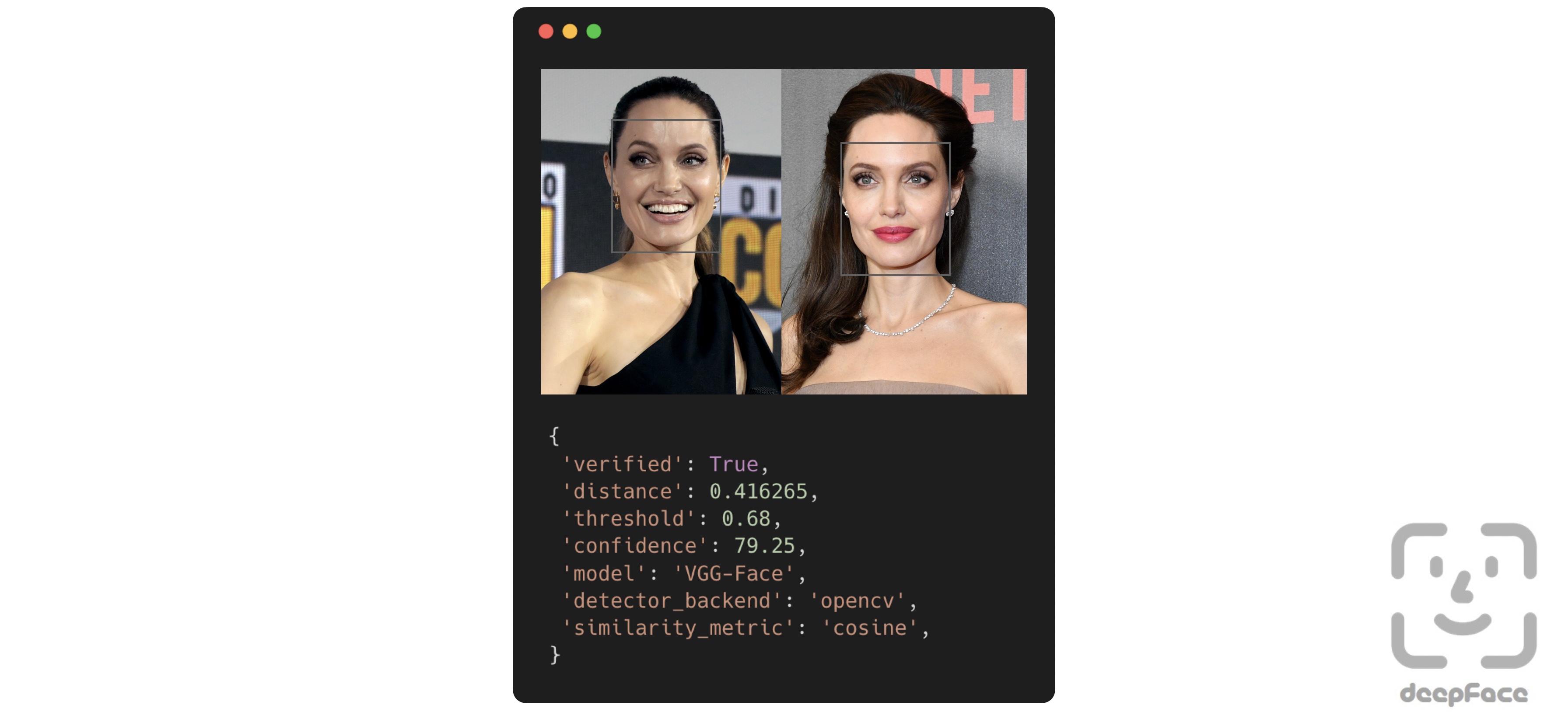
A Lightweight Face Recognition and Facial Attribute Analysis (Age, Gender, Emotion and Race) Library for Python
- 24k
- Python
- MIT
- 5 d ago
The maintainer has not written a description at the source.
Repo UBC-NLP/EmoNet, read from GitHub 2 d ago. UBC-NLP has not joined Take My Repo.
UBC-NLP/EmoNet is a public repo on GitHub by UBC-NLP. It declares the GPL-3.0 license on GitHub. It is written mainly in Python, has 12 stars and last changed on 2019-11-29. Nobody has reviewed it on Take My Repo yet, which says nothing about its quality. Read from GitHub on 2026-11-23.
A Lightweight Face Recognition and Facial Attribute Analysis (Age, Gender, Emotion and Race) Library for Python
UBC-NLP/EmoNet is a public repo on GitHub by UBC-NLP. Its maker has not written a description.
It declares the GPL-3.0 license on GitHub.
Its maker has not tagged a system, so it is unknown here. Its README says what it needs.
Open "Take it" on its page: Take My Repo writes an install plan for your machine and hands it to your AI agent (Claude Code, Codex or Cursor), which asks you before each step. Take My Repo has not tested it on any machine.
Its last change on GitHub was on 2019-11-29. Take My Repo does not judge from that whether it is maintained.
This repo contains implementation of different architectures for emotion recognition in conversations.
👩🎤 CSS-in-JS library designed for high performance style composition
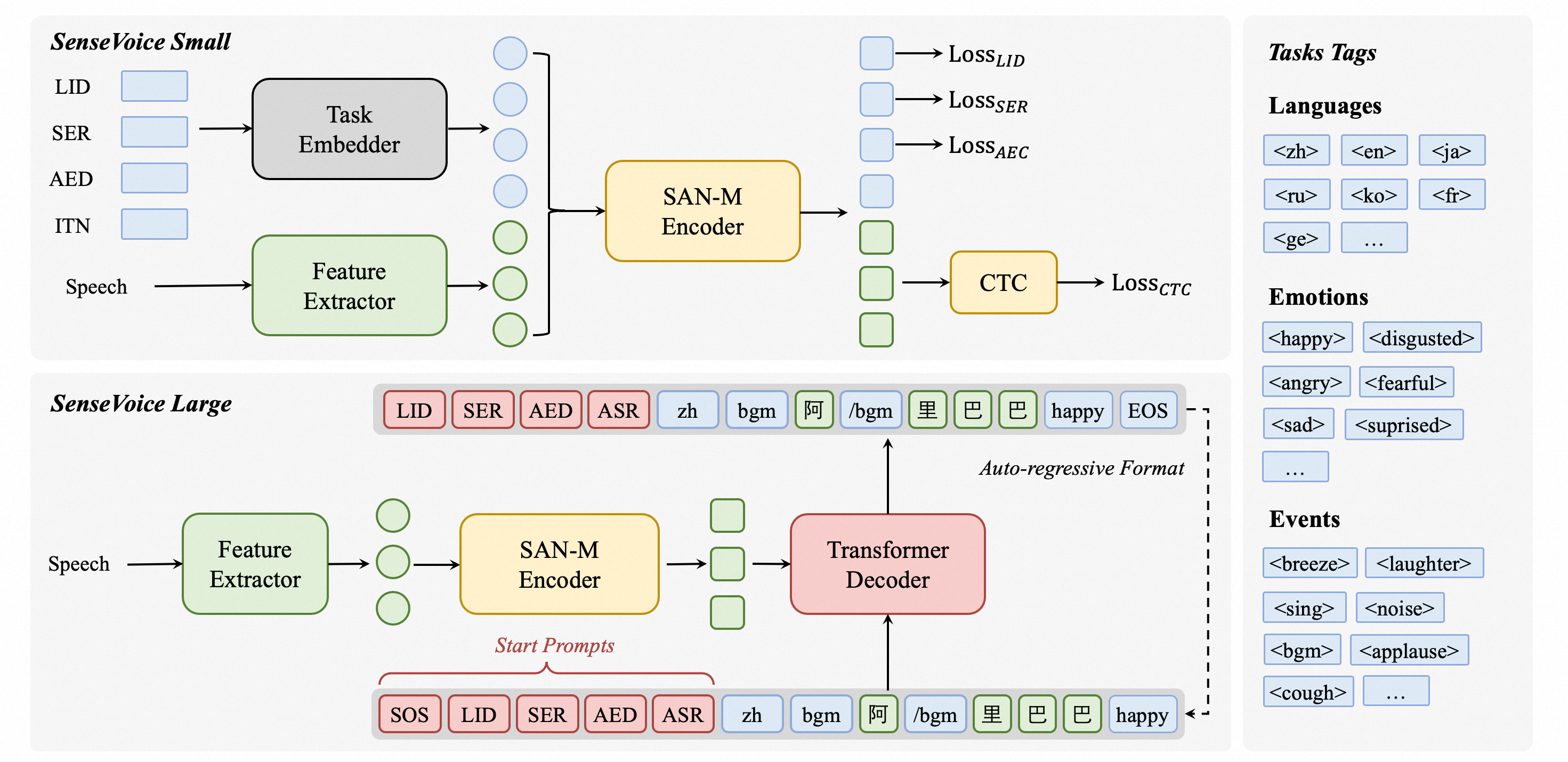
Open-source SenseVoiceSmall model for Mandarin, Cantonese, English, Japanese, and Korean ASR, language ID, emotion recognition, and audio event detection.
🤗 Transformers: the model-definition framework for state-of-the-art machine learning models in text, vision, audio, and multimodal models, for both inference and training.
Nobody has reviewed it on Take My Repo yet, which says nothing about its quality.
Take My Repo cannot say: it does not audit code and has not run EmoNet. What is known comes from GitHub. It declares the GPL-3.0 license on GitHub. Its last change was on 2019-11-29. It has 12 stars, which measure popularity, not safety. Nobody has reviewed it on Take My Repo yet, which says nothing about its quality. Read the source before you run it. With "Take it", your AI agent shows each step and asks you before running it; README text is treated as data, not as instructions.