Glaucoma-Detection-NSGA-II
Deep learning–based Glaucoma detection using CNN, Transfer Learning, and NSGA-II optimization, with a Flask web app for real-time predictions and Grad-CAM visualizations.
- 4
- Python
- 15 mo ago
Recursive carbon accounting platform built with Sanity Graph-Relational Content Lake and Next.js 15. Real-time supply chain visualization, "What-If" impact simulations, and automated CSRD compliance auditing.
Repo codedbyasim/Ecograph, read from GitHub 17 h ago. codedbyasim has not joined Take My Repo.
codedbyasim/Ecograph is a public repo on GitHub by codedbyasim. Recursive carbon accounting platform built with Sanity Graph-Relational Content Lake and Next.js 15. Real-time supply chain visualization, "What-If" impact simulations, and automated CSRD compliance auditing. It declares the MIT license on GitHub. It is written mainly in TypeScript, has 2 stars and last changed on 2026-02-20. Nobody has reviewed it on Take My Repo yet, which says nothing about its quality. Read from GitHub on 2026-11-20.
GitHub is limiting requests or did not answer. The facts on this page still come from the last successful read.
Open on GitHubcodedbyasim/Ecograph is a public repo on GitHub by codedbyasim. Recursive carbon accounting platform built with Sanity Graph-Relational Content Lake and Next.js 15. Real-time supply chain visualization, "What-If" impact simulations, and automated CSRD compliance auditing.
It declares the MIT license on GitHub.
Its maker has not tagged a system, so it is unknown here. Its README says what it needs.
Open "Take it" on its page: Take My Repo writes an install plan for your machine and hands it to your AI agent (Claude Code, Codex or Cursor), which asks you before each step. Take My Repo has not tested it on any machine.
Its last change on GitHub was on 2026-02-20. Take My Repo does not judge from that whether it is maintained.
Nobody has reviewed it on Take My Repo yet, which says nothing about its quality.
Deep learning–based Glaucoma detection using CNN, Transfer Learning, and NSGA-II optimization, with a Flask web app for real-time predictions and Grad-CAM visualizations.
Extract and summarise data from PDFs and images using OCR + LLMs. Built with Python, OpenCV, HuggingFace, and Flask.
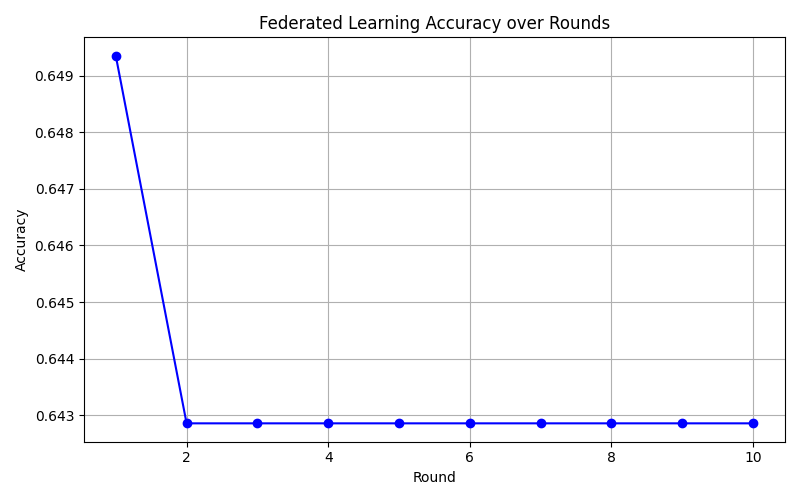
This project implements a federated learning system to predict diabetes outcomes using the Pima Indians Diabetes dataset. By leveraging Flower and PyTorch, the model is trained across multiple simulated clients without ever centralizing patient data. This ensures data privacy while enabling collaborative machine learning in the healthcare domain.