rea
Reverse engineer anything with agents, from app behavior down to native binaries.
- 474k
- TypeScript
- MIT
- 2 h ago
A complete Go implementation of JSONPath that fully complies with [RFC 9535]. Provides both a command-line tool and a Go library with support for all standard JSONPath features.
Repo davidhoo/jsonpath, read from GitHub 10 h ago. davidhoo has not joined Take My Repo.
davidhoo/jsonpath is a public repo on GitHub by davidhoo. A complete Go implementation of JSONPath that fully complies with [RFC 9535]. Provides both a command-line tool and a Go library with support for all standard JSONPath features. It declares the MIT license on GitHub. It is written mainly in Go, has 3 stars and last changed on 2026-05-07. Nobody has reviewed it on Take My Repo yet, which says nothing about its quality. Read from GitHub on 2026-11-22.
davidhoo/jsonpath is a public repo on GitHub by davidhoo. A complete Go implementation of JSONPath that fully complies with [RFC 9535]. Provides both a command-line tool and a Go library with support for all standard JSONPath features.
It declares the MIT license on GitHub.
Its maker tagged it for macOS. That is declared by the maker; Take My Repo has not tested it.
Open "Take it" on its page: Take My Repo writes an install plan for your machine and hands it to your AI agent (Claude Code, Codex or Cursor), which asks you before each step. Take My Repo has not tested it on any machine.
Its last change on GitHub was on 2026-05-07. GitHub counts 0 open issues and pull requests. Take My Repo does not judge from that whether it is maintained.
Nobody has reviewed it on Take My Repo yet, which says nothing about its quality.
Reverse engineer anything with agents, from app behavior down to native binaries.
Browse the latest Japanese IPTV channels and watch them in your browser
FastAPI framework, high performance, easy to learn, fast to code, ready for production
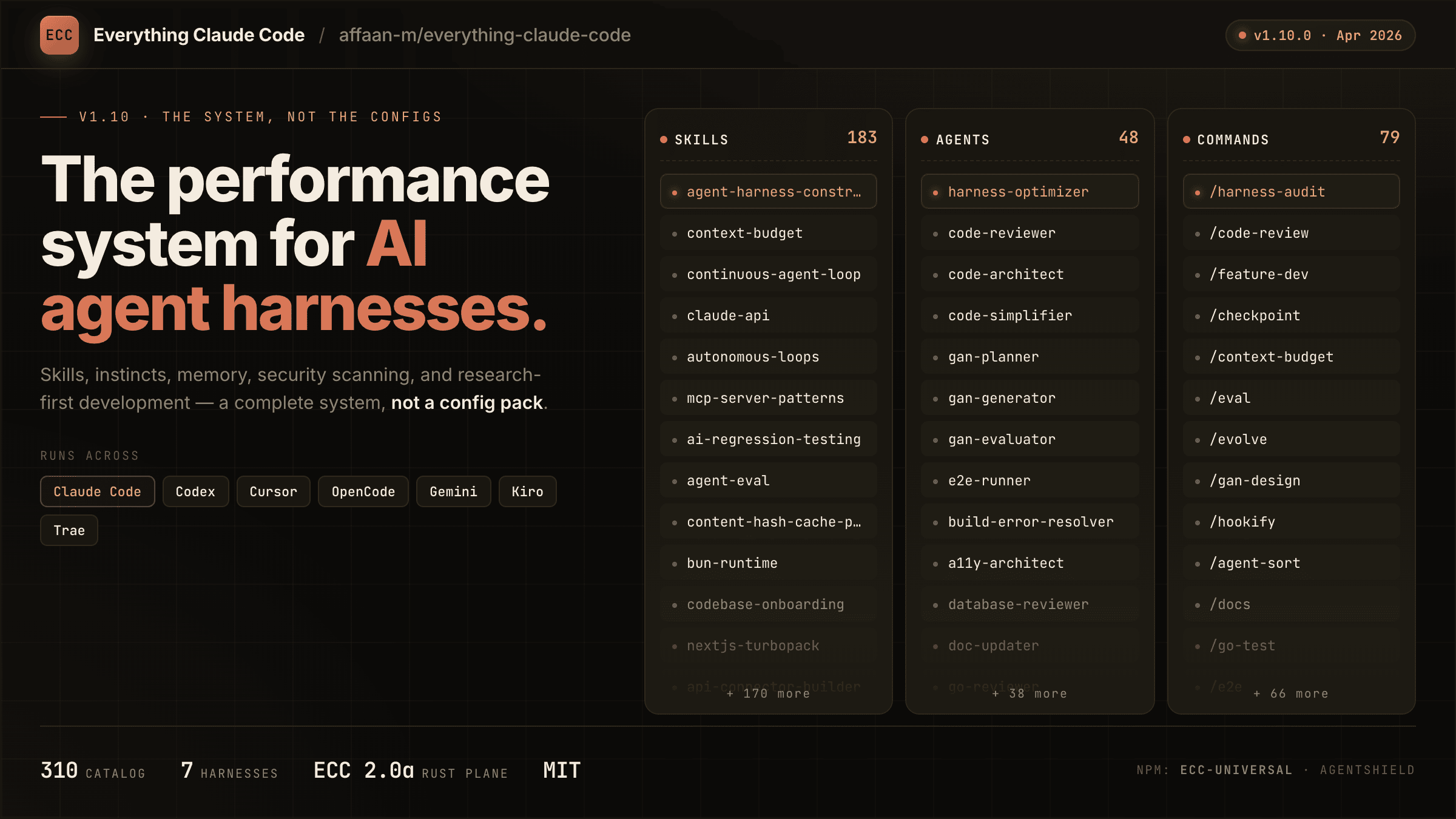
The agent harness performance optimization system. Skills, instincts, memory, security, and research-first development for Claude Code, Codex, Opencode, Cursor and beyond.
Fair-code workflow automation platform with native AI capabilities. Combine visual building with custom code, self-host or cloud, 400+ integrations.
For developers, who are building real-time data-driven applications, Redis is the preferred, fastest, and most feature-rich cache, data structure server, and document and vector query engine.
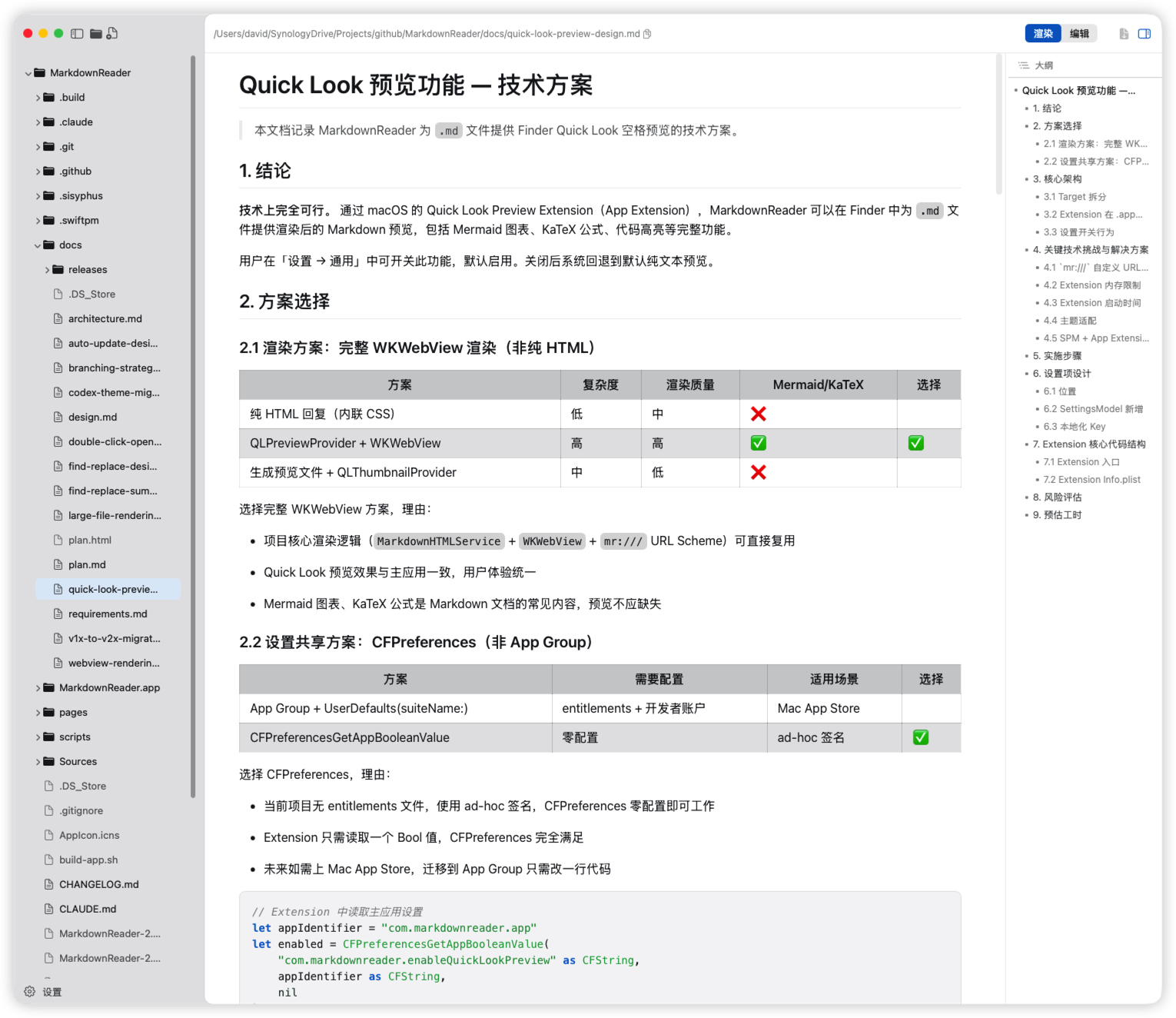
A quiet native macOS Markdown reader built with SwiftUI, cmark-gfm & WKWebView. Three-column layout with file tree, rendered markdown, and outline navigation. Mermaid, KaTeX, PlantUML, Prism.js, 33 themes, i18n, PDF export, and more.