shields
Concise, consistent, and legible badges in SVG and raster format
- 27k
- JavaScript
- Apache-2.0
- 5 h ago
A public organization profile
Repo devantler-tech/.github, read from GitHub 12 min ago. devantler-tech has not joined Take My Repo.
devantler-tech/.github is a public repo on GitHub by devantler-tech. A public organization profile. It declares the Apache-2.0 license on GitHub. It is written mainly in Shell, has 1 stars and last changed on 2026-11-22. Nobody has reviewed it on Take My Repo yet, which says nothing about its quality. Read from GitHub on 2026-11-23.
In the maintainer's words. Shown from GitHub; Take My Repo does not keep a copy.
The devantler-tech organization's GitHub home: its public profile and community defaults, the
declarative configuration of the GitHub organization itself (deploy/), and the shared CI/CD
building blocks every product repository uses, documented below. To make a small, credential-free
documentation contribution, start with Contributing. The
repository contract carries the detailed ownership and engineering rules.
To find an application's README, CI results or manual-run form, follow the GitHub navigation guide.
New repositories deliberately enrolled in Renovate inherit the organization's onboarding preset: recommended updates with the Dependency Dashboard disabled. Renovate discovers this preset during onboarding. Templates using Dependabot need no inactive Renovate config. Existing Renovate configurations keep their own settings; this preset does not enroll repositories or replace them.
Workflow ownership follows three rules:
Single-product publication jobs belong in their consuming repositories, not this shared catalogue.
The .NET package publisher retired with the archived dotnet-template.
The shared CI/CD building blocks used across devantler-tech projects — both composite actions and
reusable workflow_call workflows — in one maintained catalogue. Use this repository for new
consumers and changes. The former maintenance and actions repositories have been deleted after
migration; do not copy references from older examples. Their recovery limits and verified retirement
are recorded in #84 and
#240.
An action is a step inside one of your jobs. A reusable workflow replaces a whole job. Both are called by path from this repository, pinned to a full commit SHA:
jobs:
  build:
    runs-on: ubuntu-latest
    steps:
      # an action — a step in your own job
      - uses: devantler-tech/.github/actions/setup-go-toolchain@<full-commit-sha> # vX.Y.Z

  release:
    # a reusable workflow — the whole job comes from here
    uses: devantler-tech/.github/.github/workflows/create-release.yaml@<full-commit-sha> # vX.Y.Z
    secrets:
      APP_PRIVATE_KEY: ${{ secrets.APP_PRIVATE_KEY }}
Replace <full-commit-sha> with the selected release's full 40-character commit SHA and vX.Y.Z with its version. The placeholders must be replaced before running these examples. The action and workflow indexes below link to their source or reference. Action READMEs and the collapsible workflow references describe the individual interfaces.
Run this revision on GitHub.com with GitHub Actions Runner 2.336.0 or newer. Update self-hosted runners before adopting it. Internal native self-repository references bind to the defining component's exact repository revision, independently of your checkout.
The diagram below shows how GitHub Workflows, Jobs, Steps, Reusable Workflows, and Actions relate.
---
title: GitHub Actions Relationship Diagram
---
flowchart TD
  A[Workflows] --> B[Jobs]
  B --> C([Reusable Workflows])
  B --> D[Steps]
  C --> D
  C --> B
  D --> E[Actions]
  E -.- F([Composite Actions])
  F --> D
  E -.- G([JavaScript Actions])
  E -.- H([Docker Container Actions])
Each action reference documents its inputs, outputs and usage. The source link opens its executable declaration. These are steps inside a caller-owned job, not required workflows.
| Reference | Purpose | Source |
|---|---|---|
| aggregate-job-checks | Aggregate multiple job results into a single required check | action.yaml |
| approve-pr | Approve a PR using a GitHub App identity | action.yaml |
| check-ci-run-budget | Opt-in, metadata-only 15-minute budget check for one exact completed workflow run | action.yaml |
| cleanup-ghcr-packages | Clean up old GHCR packages | action.yaml |
| create-issues-from-todos | Create GitHub issues from TODO comments, with optional project integration | action.yaml |
| dependency-review | Scan a PR's dependency changes for vulnerabilities and disallowed licenses | action.yaml |
| diagnose-flux | Dump Flux reconcile state, controller logs, and failing pod logs on a stuck deploy | action.yaml |
| enable-auto-merge-on-pr | Enable auto-merge on a pull request | action.yaml |
| free-disk-space | Reclaim runner disk by removing large preinstalled toolchains | action.yaml |
| login-to-ghcr | Login to GitHub Container Registry | action.yaml |
| publish-app | Publish a release signed as the calling workflow on its release tag; refuses tags not on the default branch | action.yaml |
| run-dotnet-tests | Test .NET solution or project with coverage | action.yaml |
| setup-go-toolchain | Setup Go with private module discovery | action.yaml |
| setup-ksail-cli | Install KSail CLI via Homebrew | action.yaml |
| upload-coverage | Upload a Cobertura coverage report to GitHub Code Quality | action.yaml |
| upsert-issue | Create, update, reopen, or close a GitHub issue by title | action.yaml |
| triage-stale-issues | Remind inactive issues, then close after a further grace period | action.yaml |
| validate-naming | Validate Kubernetes manifest and machine patch names | action.yaml |
| validate-retired-repo-links | Catch links to retired repositories with documented historical exceptions | action.yaml |
| validate-shell-pipelines | Detect early-exit assertions that can invert results under pipefail | action.yaml |
The catalogue actions share this repository and release stream. The three Marketplace actions
are Git submodules at their original actions/ paths, pinned to independently published release
commits in their public repositories.
| Action | Purpose | Catalogue source |
|---|---|---|
| setup-agent-skills-action | Install skills for one or more coding agents | actions/setup-agent-skills |
| update-agent-skills-action | Update installed skills and open reviewable update PRs | actions/update-agent-skills |
| guard-installed-skill-edits-action | Refuse edits that bypass a skill's upstream source | actions/guard-installed-skill-edits |
Use the public repository and a full release commit pin in workflows. The submodules retain the usual catalogue locations for source navigation. The update repository also owns the reusable update workflow and the installer repositories maintain their own reviewed CLI digests.
Use these only for repeated job-level behavior. As in the Actions index, the reference documents the interface and usage, while the source link opens the executable declaration. A listed interface is not a reason to centralize a single-product pipeline.
| Reference | Purpose | Source |
|---|---|---|
| Create release | Calculate a version and publish a GitHub release | create-release.yaml |
| Publish app | Build, sign and publish an application image | publish-app.yaml |
| Publish manifests | Build, sign and publish a manifest bundle | publish-manifests.yaml |
| Scan TODO comments | Turn actionable TODOs into tracked work | scan-for-todo-comments.yaml |
| Template sync | Open updates from an upstream template | template-sync.yaml |
| Triage stale issues | Apply the shared 90-day reminder and 30-day closure policy | triage-stale-issues.yaml |
| Validate Go project | Validate Go modules; also an organization PR gate | validate-go-project.yaml |
These operate this catalogue itself; they are not reusable consumer interfaces.
| Reference | Description | Source |
|---|---|---|
| Inspect release recovery | Diagnose a stranded stable release without publication authority | inspect-release-recovery.yaml |
| Publish release recovery | Recover this catalogue's stranded stable release; default-off and confirmation-gated | publish-release-recovery.yaml |
| Stale issue pilot | Daily triage and manual read-only preview using this repository's reviewed shared policy | stale-issues.yaml |
These are selected by declarative rulesets, not installed by copying a reusable-workflow example. Dependency review, auto-merge policy, workflow scanning and Go validation serve multiple products. Reviewed repository admission also serves multiple products while each product owns its validator. World's product-specific evaluator lives in its own repository. Its former singleton source was retired after native positive and tampering controls passed under the shared runner.
| Reference | Current responsibility | Source |
|---|---|---|
| Dependency review | Shared dependency-security PR gate | dependency-review.yaml |
| Enable auto-merge | Shared trusted-author PR merge policy | enable-auto-merge.yaml |
| Scan workflow vulnerabilities | Shared workflow-security PR gate | scan-for-workflow-vulnerabilities.yaml |
| Validate Go project | Shared Go validation, also reused by repository-owned jobs | validate-go-project.yaml |
| Repository PR admission | Shared read-only runner for each enrolled product's reviewed-base validation | repository-pr-admission.yaml |
An ownership migration must prove the replacement's live enforcement before retiring an older gate; a passing local caller alone is insufficient.
These workflows belong only to this repository and are not reusable exports or organization-wide required workflow associations. Protected reviewed-base validation is enforced by shared admission.
| Reference | Current responsibility | Source |
|---|---|---|
| Deploy guards | Repository-local feedback for release and deletion declarations | deploy-guards.yaml |
These support the catalogue itself. They are not new consumer entrypoints; repeated fixture calls do not establish a product need for a shared workflow.
| Reference | Description | Source |
|---|---|---|
| Applied-fix signing | Isolated, shared signer for eligible fixer artifacts | apply-signed-fixes.yaml |
| TODO read-only smoke | Generated projection for credential-free scanner tests | scan-for-todo-comments-readonly.yaml |
| TODO default fixture | Offline dependencies for testing the production defaults | scan-for-todo-comments-default-fixture.yaml |
| Release-recovery offline fixture | Generated complete offline build/refusal job, with no publisher or secret interface | release-recovery-offline-fixture.yaml |
| Go read-only projection | Generated Go validation with Code Quality uploads but no repository-mutation credentials; not a consumer interface | validate-go-project-readonly.yaml |
Some required sources also expose workflow_call for their native regression fixtures. Those
fixture calls do not make them public reusable products. Every declared input and secret remains
documented in the reference below, including internal interfaces.
Every peer entry has one independently collapsible reference. Internal components retain their interfaces here so the same input/secret parity check covers them.
repository-pr-admission.yaml is selected by
declarative organization rules for monorepo, this catalogue and World at Ruin. Its shared resolver and read-only
runner execute each product's own admission action from the immutable reviewed base, never the
candidate implementation. Each repository separately requires the executed result from GitHub
Actions; the source-only skipped job cannot satisfy that binding.
The former singleton sources are retired. Product validation and time budgets stay with each product; catalogue ownership describes the shared boundary and the proof required before changing enforcement.
This is not a workflow_call export and has no caller inputs or secrets. Product-specific rules
and time budgets stay in the owning repository. New enrollments require actual positive and
tampering-refusal proof before any older protection is retired.
deploy-guards.yaml is this repository's ordinary PR
wrapper around its product-owned release and deletion validators. It supplies local feedback,
but does not establish independent trust by itself: protected enforcement comes from the shared
admission runner executing the reviewed-base implementation against candidate data. Its former
singleton organization association is disabled without a workflow reference.
This is not a reusable export and has no workflow_call inputs or secrets. There is no
merge_group entrypoint: that event lacks the PR title, commits and body needed by the guards,
so unsupported merge-group metadata cannot become an empty successful validation.
apply-signed-fixes.yaml commits a patch back to a
pull request branch as a signed commit. It is an internal building block, not a caller-facing
workflow: it expects a patch artifact uploaded earlier in the same run, so it does nothing useful on
its own.
Commits made with the git CLI on a runner are unsigned. A commit created through GitHub's commit API with an App token is signed by GitHub, so this workflow creates it that way and then reads the new commit's own verification object to prove it — an unsigned automation commit is what stops commit signature verification from being required on anything but the default branch.
The caller runs the fixer and exports its result as a patch; this workflow mints the write credential on a fresh runner and commits it. A fixer configured from the pull request under review can execute arbitrary commands, so it never runs in a job holding a write-scoped token. Callers gate on whether auto-fixing is enabled; everything visible from the pull request itself — event type, forks, and dependency-bot branches — is gated here, so a caller cannot omit it.
Whether a patch is eligible for automatic commitment is passed in as fixes-created (boolean,
default true) rather than used by the caller to skip the call. Committing raises synchronize,
which can start a replacement run and cancel the committing one before it verifies its own commit; the replacement
run's fixer then finds the work already done and reports no patch. The branch-tip signature check
therefore runs on every call, before the App token is minted and independently of fixes-created,
while every step that needs write access is skipped when it is false. A caller that omits the input
keeps its previous behaviour.
Both MegaLinter workflows keep the signer's token limited to file contents. Opt in with
manual-workflow-fixes: true to recover workflow-file edits manually. The option defaults to false,
preserving existing routing for callers that omit it. When enabled, a formatter change under the
repository's .github/workflows/ directory produces a warning instead of an automatic commit.
Runs eligible to upload fixes retain the complete patch as megalinter-fixes-<check-run-id>,
including when linting also reports an unfixable error. Cancelled runs do not force recovery.
Related edits and renames stay together; ordinary patches without workflow edits still receive
automatic signed commits.
Download and extract the artifact from the run, then apply its .patch file from the repository root
with git apply <file>.patch, review, and push. Successful lint runs still check the branch-tip
signature. Actual lint errors still fail the job and prevent signer writes;
validate-go-project's read-only mode still fails on uncommitted fixes.
Consumer rollout and flag removal are tracked in #275.
| Key | Type | Default | Required | Description |
|---|---|---|---|---|
artifact-name |
Input (string) | megalinter-fixes |
No | Uploaded artifact containing one <artifact-name>.patch file |
commit-message |
Input (string) | chore: Apply megalinter fixes |
No | Commit message for the applied patch |
pr-owner |
Input (string) | "" |
No | Pull request author login used to suppress commits to dependency-bot branches |
fixes-created |
Input (boolean) | true |
No | Whether a patch exists; false skips signing and retains the branch-tip signature check |
APP_PRIVATE_KEY |
Secret | - | For signing | GitHub App private key; paired with the APP_CLIENT_ID variable. No unsigned fallback |
.github/workflows/create-release.yaml is a workflow used to create releases using semantic-release.
The release is published with a GitHub App token. In the default mode, the caller sets the APP_CLIENT_ID repository/organization variable and forwards the APP_PRIVATE_KEY secret. The protected mode below uses a separate environment credential. The App always needs contents: write (tags/releases). By default it also needs issues: write + pull-requests: write for semantic-release success/fail hooks. Set disable-issue-side-effects: true to suppress those hooks and mint the token with contents: write only.
Npm alignment runs unconditionally. Release runs read requirements from the consumer's packageManager field and npm entries under devEngines.packageManager after checkout. An exact stable packageManager version is installed exactly; integrity-suffixed descriptors fail explicitly because this workflow cannot verify their digest. Otherwise, blocking devEngines entries must describe complete npm majors (11, 11.x, ^11.0.0, or >=11.0.0 <12.0.0). Arrays are alternatives: versionless npm entries satisfy the contract, and when no entry matches the final alternative's onFail controls the result. Without an exact npm packageManager requirement, warn and ignore keep the current npm; error and download align to a supported complete-major alternative or fail. Compatible declarations resolve to the exact packageManager version, consumers with neither an exact npm packageManager requirement nor a blocking npm devEngines version keep the bundled npm, and explicit nulls, unknown properties, malformed, contradictory, prerelease, or otherwise unenforceable contracts fail explicitly.
When adopting this breaking release, remove the retired align-npm-with-consumer-contract argument. Previously published revisions of this canonical catalogue retain their existing APIs and behavior. The former devantler-tech/actions catalogue has been deleted; its old APIs are not available adoption targets. Historical migration context remains in #392.
Release runs for one repository and ref run one at a time, in the order they were queued, and waiting runs are kept (up to GitHub's limit of 100) rather than cancelled. Two merges that land close together therefore produce two sequential release runs instead of racing for the same version. Callers need no concurrency block of their own.
This warning is a supported opt-in preference for consumers that maintain explicit type!: breaking-change handling. Set warn-missing-breaking-bang: true to catch accidental removal. Before releasing, the workflow warns when an explicitly listed @semantic-release/commit-analyzer has no nonempty parserOpts.breakingHeaderPattern. The check reads JSON from .releaserc, .releaserc.json, or the release key in package.json; it never changes files or blocks a release. The default is off, so consumers that have not adopted this convention get no warning noise.
This is a narrow configuration check, not proof that a commit will produce a major release. Default plugins, shared configurations, custom parser configs, presets (including conventionalcommits, which may provide their own handling), non-JSON files, and multiple competing config files are left to semantic-release. The guard does not execute configuration or infer which file wins. When restoring a lost parser setting, also verify that the consumer's release rules select a major version for breaking changes.
For catalogue self-tests, set offline-test: true together with dry-run: true and omit the App secret. This independent job requests no repository permissions and retrieves its immutable public catalogue source anonymously. It evaluates the pinned release command and catalogue configuration against disposable local repositories, verifying patch, minor, major, and no-release decisions without changing files or refs. It also honors warn-missing-breaking-bang: a missing-pattern fixture emits exactly one warning when enabled, while intact, disabled, unsupported-config and tool-error cases continue without warning or release blockage. Both issue-hook settings are exercised; this does not test live notification delivery. Normal releases and consumer dry-run previews continue to use the consumer's own configuration and App credentials, including callers that declare permissions: {}.
These offline tests also cover existing stable tags with absent or matching default-channel notes, using both lightweight and annotated tags. No new release is selected at the tagged commit; a subsequent fix selects the next patch while preserving all files, tags and notes. This supports leaving channel notes unchanged for stable/default-branch recovery. It does not prove GitHub publication, prerelease channels or multiple release branches.
jobs:
  release:
    uses: devantler-tech/.github/.github/workflows/create-release.yaml@<full-commit-sha> # vX.Y.Z
    with:
      disable-issue-side-effects: true
    secrets:
      APP_PRIVATE_KEY: ${{ secrets.APP_PRIVATE_KEY }}
| Key | Type | Default | Required | Description |
|---|---|---|---|---|
APP_CLIENT_ID |
Variable | - | Yes | GitHub App client ID used to mint the release token |
APP_PRIVATE_KEY |
Secret | - | No | GitHub App private key; required for consumer releases and previews, omitted for offline tests |
RELEASE_APP_PRIVATE_KEY |
Secret | - | No | Explicit named binding for the protected release environment secret; keep its value only in that environment |
disable-issue-side-effects |
Input (boolean) | false |
No | Disable success/fail hooks and omit issue/pull-request token permissions |
warn-missing-breaking-bang |
Input (boolean) | false |
No | Warn about missing explicit breaking-header handling in supported JSON configurations |
dry-run |
Input (boolean) | false |
No | Run semantic-release in dry-run mode (no tags or publishes) |
offline-test |
Input (boolean) | false |
No | Run secret-free catalogue release-decision fixtures; requires dry-run |
protected-release |
Input (boolean) | false |
No | Use the caller's protected release environment and dedicated App credentials; see setup and acceptance |
block-egress |
Input (boolean) | false |
No | Refuse every outbound host from the release job except github.com, api.github.com and registry.npmjs.org, the hosts it was measured to reach (#912) |
The protected mode obtains RELEASE_APP_CLIENT_ID and RELEASE_APP_PRIVATE_KEY from the
caller's release environment. Explicitly bind RELEASE_APP_PRIVATE_KEY in the caller's
secrets block as shown in the setup guide; keep its value only in the environment. Environment protection
and removal of alternative publishing credentials are prerequisites, verified separately from
workflow syntax and offline tests. The default preserves existing consumer releases.
.github/workflows/dependency-review.yaml scans a pull request's dependency changes for known-vulnerable packages and disallowed licenses using GitHub Dependency Review. It is designed to run as an organization Required Workflow as well as via workflow_call.
It is non-blocking by default (warn-only: true, fail-on-severity: critical) so it can be required org-wide without blocking existing PRs; set warn-only: false to enforce. With comment-summary-in-pr: never (the default) the job needs only contents: read.
jobs:
  dependency-review:
    uses: devantler-tech/.github/.github/workflows/dependency-review.yaml@<full-commit-sha> # vX.Y.Z
    permissions:
      contents: read
| Name | Description | Default |
|---|---|---|
fail-on-severity |
Block on vulnerabilities of this severity or higher (low, moderate, high, critical); only when warn-only is false. |
critical |
fail-on-scopes |
Comma-separated scopes to block on (runtime, development, unknown). |
runtime |
allow-licenses |
Comma-separated SPDX allow-list (empty = not enforced). Mutually exclusive with deny-licenses. |
"" |
deny-licenses |
Comma-separated SPDX deny-list (empty = not enforced). Mutually exclusive with allow-licenses. |
"" |
comment-summary-in-pr |
Post the summary as a PR comment (always, on-failure, never); anything but never requires the repo-token secret below. |
never |
warn-only |
Report findings as warnings and always succeed (non-blocking); set false to enforce. |
true |
| Name | Description | Required |
|---|---|---|
repo-token |
Repository-scoped token with Contents: read and Pull requests: write. Required for always and on-failure; ignored for never. |
Only when posting comments |
The reusable workflow always keeps its job's GITHUB_TOKEN at contents: read.
Granting the calling job pull-requests: write alone cannot enable comments:
reusable workflows can only retain or reduce the caller's token permissions.
Pass an independent token through the named secret instead. Prefer a short-lived
GitHub App installation token
limited to the target repository and the two permissions above; a fine-grained token
with those permissions also works. Do not pass the calling job's GITHUB_TOKEN as a
substitute for this independent credential.
jobs:
  dependency-review:
    uses: devantler-tech/.github/.github/workflows/dependency-review.yaml@<full-commit-sha> # vX.Y.Z
    permissions:
      contents: read
    with:
      comment-summary-in-pr: always # or on-failure
    secrets:
      repo-token: ${{ secrets.DEPENDENCY_REVIEW_COMMENT_TOKEN }}
A missing token fails with a specific setup message before dependency review starts; the API enforces the supplied token's actual permissions. Secretless callers and organization-required runs retain the comments-off default. Secrets are unavailable to fork pull requests, so use the default there and enable comments only in trusted caller contexts where the independent credential is available.
.github/workflows/enable-auto-merge.yaml approves pull requests opened by an allowlist of trusted single-author bots, so routine bot PRs do not need a human click.
Use dry-run: true to exercise the workflow without changing a pull request.
This path runs offline decision fixtures with contents: read, forwards no App
secret, and has a separate concurrency lane so it cannot cancel live evaluations.
The catalogue tests use it for default, actor-trust and pending-queue calls.
Offline mode starts only the fixture runner and skips live eligibility classification.
Omitted or false inputs retain the unprivileged classifier and explicit successful
reporting for ineligible live and required-workflow events.
Caller permissions still declare the production workflow's static write ceiling,
which GitHub validates even when those jobs are skipped; executed dry-run jobs
receive only read access. dry-run defaults to false, and live mutations require
APP_PRIVATE_KEY.
Cursor Automation PRs are eligible by the exact cursor[bot] author identity (app/cursor in the
GitHub UI). This author check reads the pull request author; a cursor[bot] Bugbot comment or review
does not count as trusted review evidence.
Before approval and again before arming, it reads the current author, head, open/draft state and
complete labels. A blocked PR loses both classic auto-merge and any merge-queue entry, regardless
of review-gate mode. An unreadable policy or failed revocation authorizes no approval or arming.
A declined approval cannot authorize later arming; a successful no-op is insufficient.
By default, eligible ordinary bot PRs are approved and armed at the checked commit. Renovate PRs can still receive approval, but this workflow never creates their auto-merge requests: Renovate owns its resolved package rules and native arming. In default mode, legitimate existing native Renovate requests are retained. Enforced review-gate mode retains its stricter revocation and maintenance-agent handoff below.
This decision guard runs when an evaluation reaches the mutation steps. Organization-required workflows do not deliver label-change events to consumers; this update alone does not implement label-event revocation, serialize independent callers or reconcile every older arming. A head pin does not bind labels atomically to GitHub's merge operation. Those native consumer and rollout outcomes remain tracked in #822.
With actor-trust enforcement turned on — the enforce-actor-trust input, or the
ENFORCE_ACTOR_TRUST repository/organization variable — every privileged pull-request, review,
or comment trigger on an allowlisted bot-authored PR must come from an allowlisted bot or the
explicit devantler maintainer actor. Workflow reruns also require the initiating
github.triggering_actor to be allowlisted; a trusted original event cannot be replayed by an
untrusted collaborator. A rejected pull-request lifecycle trigger—or, when review gates are also
enforced, an untrusted dismissal/deletion of trusted review evidence—receives no App token and
actively revokes both classic auto-merge and merge-queue state with the caller's GITHUB_TOKEN.
These state-removal runs arbitrate within each caller workflow at run creation, so they cancel an
older privileged run before its jobs can mutate the PR without cancelling another caller's run.
This caller-keyed state lease is acquired only when the reusable auto-merge lane actually executes,
so unrelated or conditionally skipped runs of the surrounding caller workflow cannot suppress
arming. Same-second lifecycle events share the lease, while unrelated title, label, or assignment
edits create no replacement run. Before mutation, a live reopen/ready-for-review/force-push timeline
binding rejects later events (including a head that moves away and returns) and treats any equal-time
sequence it cannot uniquely identify as superseded. Arming and revocation share one mutation lane;
a delayed rejected event preserves only auto-merge state whose authorization time is provably newer
than that rejected run attempt. Default-off review/comment no-ops skip the mutation lane entirely, so
they cannot replace a queued revocation.
Every workflow_call invocation that enables actor trust should provide a globally caller-unique,
ref-independent concurrency-key. Existing opted-in callers that omit it retain compatibility in a
safe repository-wide actor-trust lane; explicit keys isolate independent callers from one another.
The direct and cross-repository required-workflow paths have a built-in stable source identity.
Legacy default-off callers retain their existing authorization behavior.
Every run retains up to 100 pending evaluations, in arrival order, in non-cancelling workflow runs
and in both approval/revocation jobs, so a waiting evaluation is never replaced. Only a run whose
actor-enforced cancellation supersedes old state uses the single queue, because GitHub forbids a
retained queue with cancellation. The temporary queue-pending-evaluations opt-in and the
QUEUE_PENDING_EVALUATIONS opt-out are retired
(#277). The input stays declared and is
ignored, so callers that still pass it keep validating. The variable is no longer read.
GitHub processes queued evaluations in the order they begin waiting, which can
differ from event delivery order; evaluations still read current PR state. Actor-enforced lifecycle
and evidence-removal events keep their intentional workflow-level cancellation of stale runs, using
the compatible single queue. Additional arrivals beyond GitHub's 100-pending limit are cancelled.
The catalogue's queue test checks that all three queued jobs complete successfully in the same run attempt. Its observer retries transient HTTP server failures with bounded backoff and discards failed responses. Missing pages, duplicate jobs, stale attempts and unsuccessful slots fail the check; use Re-run all jobs to repeat the burst after a failure.
With review enforcement turned on — the enforce-review-gates input, or the
ENFORCE_MERGE_GATES repository/organization variable — it additionally requires, on the PR's
current commit, both a passing review (CodeRabbit approved, or a clean Codex pass when CodeRabbit
has no blocking result) and a fresh CodeRabbit pre-merge result. This gate fails closed: evidence
that is missing, stale, edited, mixed, or unreadable counts as a failure, and the workflow then
actively withdraws any auto-merge or merge-queue state the PR had.
Enforced runs approve but deliberately never arm the merge themselves. GitHub offers no way to tie mutable review evidence to the merge call atomically, so arming is left to whatever drives the merge afterwards.
[!IMPORTANT] If you enable enforcement via
workflow_call, addpull_request_reviewandissue_commenttriggers to your own caller workflow. Review results arrive after thepull_requestevent, and a reusable workflow cannot add triggers to the workflow calling it — so without these the gate never re-evaluates once a review lands.
on:
  pull_request:
    types: [opened, synchronize, reopened, ready_for_review]
  # Required when enforce-review-gates is true: review results land after
  # the pull_request events, so the caller must re-invoke the gate on them
  # — including edits and dismissals, which can turn green evidence red and
  # must be able to DISARM, and deleted comments, since removing a pre-merge
  # summary or Codex clean pass is evidence deletion the gate must re-evaluate.
  pull_request_review:
    types: [submitted, edited, dismissed]
  issue_comment:
    types: [created, edited, deleted]

jobs:
  auto-merge:
    uses: devantler-tech/.github/.github/workflows/enable-auto-merge.yaml@<full-commit-sha> # vX.Y.Z
    permissions:
      actions: read
      pull-requests: write
      contents: write
    with:
      enforce-actor-trust: false # default; enable after validating trusted trigger actors
      enforce-review-gates: false # default; flip after the repo's review lanes are validated
    secrets:
      APP_PRIVATE_KEY: ${{ secrets.APP_PRIVATE_KEY }}
Actor-trust note: Callers that enable actor trust must grant
actions: read,contents: write, andpull-requests: writeas shown above and should pass a stable, globally caller-uniqueconcurrency-key. An omitted key uses a safe repository-wide compatibility lane, which can cancel independent actor-trust call sites for the same PR but cannot let stale authority proceed; explicit keys avoid that availability tradeoff. Workflow-level arbitration orders lifecycle state only for the reusable lane that actually executes; skipped or unrelated caller runs do not reauthorize or supersede it. Both the original and rerun-triggering actors must be trusted for every privileged event. The read scope binds stale-revocation decisions to the rejected run attempt's durable start time; the write scopes revoke classic auto-merge or merge-queue state. Rejected events never receive the App private key. Missing lookup or revoke authority fails the required workflow closed.Note: The caller grants the documented minimum above with or without enforcement. Actor trust uses its caller
Actions: readscope only to bind stale revocation to the rejected run attempt's start time. Review enforcement uses a separate App token and additionally requires the GitHub App installation to grant Actions: read, Checks: read, and Contents: read. If a required scope is missing, the workflow fails closed rather than approving or arming on unproven evidence.
| Key | Type | Default | Required | Description |
|---|---|---|---|---|
APP_PRIVATE_KEY |
Secret | - | No | GitHub App private key; required for live mutations, omitted for dry-run |
dry-run |
Input | false |
No | Run read-only offline decision fixtures without changing a pull request |
enforce-actor-trust |
Input | false |
No | Opt-in trusted-trigger enforcement with fail-closed revocation |
enforce-review-gates |
Input | false |
No | Opt-in fail-closed gate before approval; agent arms after live pentad |
queue-pending-evaluations |
Input | false |
No | Deprecated and ignored: every run retains pending evaluations |
concurrency-key |
Input | "" |
No | Recommended with actor trust; omitted calls share a safe fallback lane |
Successor: the publish-app action publishes the same image and manifests from the product's own release workflow, signed as that workflow on its release tag. This workflow is unchanged until every consumer has moved.
.github/workflows/publish-app.yaml builds and publishes a containerized app and its Kubernetes manifests to GHCR as cosign-signed OCI artifacts. Normal publication first requires authenticated evidence that the normalized version is absent from both repositories. The default mode builds under a run-specific staging tag, pins the produced image digest into the deployment manifest, stages the manifests artifact, and signs both produced digests. After both signatures succeed and an image copy preserves the signed digest, another authenticated absence check precedes promotion of the version and source-SHA image tags and manifests version. Stable releases then move both latest tags from those exact digests; prereleases preserve stable latest. Signing failures leave version and latest tags unchanged. Opt-in signed promotion below also verifies signature identity and signed publication claims before exposing release tags.
on:
  push:
    tags:
      - "v*"

jobs:
  publish-app:
    uses: devantler-tech/.github/.github/workflows/publish-app.yaml@<full-commit-sha> # vX.Y.Z
    permissions:
      contents: read # checkout
      packages: write # push image + manifests OCI artifact
      id-token: write # keyless cosign signing
    with:
      app-name: my-app # container name in the app manifest
      deploy-path: ./deploy # optional
      app-manifest: base/deployment.yaml # optional; default deployment.yaml (webapp.yaml in prebuilt mode)
Note: Must be invoked from a complete semantic-version tag (
vMAJOR.MINOR.PATCH, optionally with-PRERELEASEand+BUILD) — Docker semver tagging and FluxOCIRepositorysemver selection depend on it. Anything else, such asv1.2.3garbageor a version whose numbers exceed 15 digits, is refused before publishing; build metadata is dropped from the published version because an OCI tag cannot carry+. Theapp-namecontainer check on the app manifest also runs before anything is pushed, so a bad manifest leaves the registry untouched. The calling job must grantpackages: writeandid-token: write(andcontents: readfor checkout); no secrets are required (auth uses the GHCR-scopedGITHUB_TOKEN).App manifest location: the app manifest is
deploy-path/deployment.yaml(webapp.yamlin prebuilt WebApp mode) unlessapp-manifestnames another file, relative todeploy-path. A product that splitsdeploy-pathinto kustomize overlays sets it, for example tobase/deployment.yaml, in the same change that moves the file. The value must be plain names joined by/(letters, digits,.,_and-; no leading/, no empty,.or..component, no line break), and no directory on the way or the file itself may be a link. Anything else, or a missing file, stops publication before any registry write. The wholedeploy-pathdirectory is still the signed manifests artifact.
| Key | Type | Default | Required | Description |
|---|---|---|---|---|
app-name |
Input (string) | - | Yes | Deployment container name, or the matching WebApp metadata name/namespace and spec name |
deploy-path |
Input (string) | ./deploy |
No | Path to the Kubernetes manifests directory packaged as the OCI artifact |
app-manifest |
Input (string) | empty | No | Path, relative to deploy-path, of the manifest holding the app (the Deployment, or the WebApp in prebuilt mode). Empty means deployment.yaml (webapp.yaml in prebuilt mode) |
dry-run |
Input (boolean) | false |
No | Skip publication and validate only the workflow interface |
enable-caller-pin |
Input (boolean) | true |
No | Require a 40-character commit-SHA caller before signing. The authenticated OIDC calling ref is the certificate identity. Explicit false remains supported during caller cleanup in #284 |
enable-signed-promotion |
Input (boolean) | false |
No | Verify both signature identities and paired publication claims before exposing version tags, then move latest only for stable releases. Requires enable-caller-pin; rollout is tracked in #371 |
enable-signed-recovery |
Input (boolean) | false |
No | Restore missing version tags from the original signed pair; requires signed promotion and caller pinning, and preserves both latest tags |
enable-prebuilt-webapp |
Input (boolean) | false |
No | Verify and reuse a public main-CI production-template image with a source-owned WebApp; requires caller pinning and signed promotion, with recovery off |
prebuilt-image-digest |
Input (string) | empty | No | Original image SHA-256 digest, required in prebuilt mode |
prebuilt-public-digest |
Input (string) | empty | No | Public artifact SHA-256 from the original producer, required in prebuilt mode |
prebuilt-ci-run-id |
Input (string) | empty | No | Successful public main-push CI run, required in prebuilt mode |
prebuilt-ci-run-attempt |
Input (string) | empty | No | Original completed attempt, which must still be current; required in prebuilt mode |
recovery-image-digest |
Input (string) | empty | No | Original signed image sha256 digest, required for recovery |
recovery-manifests-digest |
Input (string) | empty | No | Original signed manifests sha256 digest, required for recovery |
recovery-run-id |
Input (string) | empty | No | Original publication run ID, required for recovery |
recovery-run-attempt |
Input (string) | empty | No | Original publication attempt, required for recovery |
recovery-workflow-sha |
Input (string) | empty | No | Original publisher commit in this catalogue repository, required for recovery |
Enable enable-prebuilt-webapp, enable-caller-pin and enable-signed-promotion together to reuse the caller's tested image without a raw-source build. Supply all four prebuilt evidence inputs. The image must belong to the calling repository, with the same source commit as the release tag. Its original signer must be that repository's exact .github/workflows/ci.yaml@refs/heads/main identity. Complete public GitHub observations must establish successful main-push CI at the specified current attempt. Private or unreadable CI is not supported by this mode; it adds no token permissions.
Before any registry content write, Cosign verifies the original signature and SLSA source, subject, build, production-template profile, public digest and CI claims. A regular webapp.yaml in the bounded relative deployment directory (or the file app-manifest names inside it, reached only through regular directories) must contain exactly one kro.run/v1alpha1 WebApp. Its metadata name, namespace and spec name must equal app-name. Only its image is pinned; unrelated document values are preserved. Linked directories, linked files and special files are refused. This validates image selection, not the full Platform schema or controller behavior.
The existing signed-promotion path then signs and verifies both unchanged digests with the paired publication claims plus the public digest, profile and original CI/producer binding. Stable/prerelease tag behavior is unchanged. Prebuilt recovery is unsupported: admission rejects the combined inputs, and legacy recovery independently refuses prebuilt-marked signatures even when the mode input is omitted. Original main-CI provenance remains attached to the image. Caller and Platform verifier adoption require a separately reviewed immutable publisher pin; no consumer is activated here. Rollout review and gate retirement are tracked in #684.
Opt in with both enable-signed-promotion: true and enable-caller-pin: true to stage the image and manifests under run-specific tags. Authenticated registry reads must establish that the normalized version is absent from both repositories before staging, and again before promotion. Existing versions and failed or ambiguous reads stop publication. Both signatures bind the publishing repository, source revision and tag, normalized version, run and attempt, immutable workflow identity, and the exact image/manifests digest pair. Both exact digests must pass signing, identity and claim verification before version tags are exposed; prereleases never move latest. Image promotion preserves the verified manifest format and checks its produced digest. Default, opted-in and recovery publishers for the same target in one caller repository wait in a shared queue without canceling pending releases. Registry tag writes are sequential; other writers can race the final absence check, and a promotion failure can leave only one version or latest tag updated. Production caller adoption remains in #371 and #242.
For an interrupted version publication, run explicit recovery on the original semantic-version tag and source revision. Enable signed recovery, signed promotion and caller pinning, and supply both original digests, the original run ID/attempt and publisher SHA. Both signatures must authenticate the same source, version, run and digest pair before either version is read. Both reads must prove absence or match the original bytes before any write. Recovery restores only missing version tags, performs no build or signing, and always preserves both latest tags. A matching retry makes no writes; a contradictory version or incomplete observation stops recovery. Image tagging preserves the signed manifest format and verifies the complete registry bytes. The two writes are not atomic: an interruption can leave one version present, and readback detects external races without preventing them. Retry with the same original pair. This accepts only the original catalogue repository identity; #242 governs migration from another publisher repository. Disposable native CI proves real registry tagging and local-key signature claims; it does not establish production OIDC or authorize rollout.
.github/workflows/publish-manifests.yaml publishes a Kubernetes manifests directory to GHCR as a cosign-signed OCI artifact, without building a container image. Normal publication first requires authenticated evidence that the normalized version is absent. The default mode stages the Flux-compatible artifact (ghcr.io/<owner>/<repo>/manifests) under a run-specific tag and signs the produced digest with keyless cosign (Fulcio/Rekor via GitHub OIDC). Another authenticated absence check precedes promotion of the version tag from that signed digest. Stable releases then move latest; prereleases preserve stable latest. Signing failures leave both release tags unchanged. Opt-in signed promotion below also verifies signature identity and signed publication claims before exposing the version. This is the manifests-only sibling of publish-app.yaml.
Because the signing happens inside this reusable workflow, the cosign certificate identity (OIDC subject) is this workflow's path — https://github.com/devantler-tech/.github/.github/workflows/publish-manifests.yaml@<ref> — not the caller's. Verifiers (e.g. a Flux OCIRepository verify.matchOIDCIdentity) must match that.
Opt in with both enable-signed-promotion: true and enable-caller-pin: true to verify the staged artifact's signature and publication claims before promotion. Authenticated registry reads must establish version absence before staging and again before promotion; existing versions and failed or ambiguous reads stop publication. The signed payload binds the publishing repository, source revision and tag, normalized version, run and attempt, and immutable workflow identity. The workflow signs and verifies the produced digest and these claims against its exact SHA-pinned OIDC identity before exposing the version tag; only stable releases then move latest. Failed signing or verification leaves both consumer-selectable tags unchanged, although the staging artifact remains. Default, opted-in and recovery publishers for the same target in one caller repository wait in a shared queue without canceling pending releases. Registry tag writes are sequential and cannot prevent another writer racing the final check. Consumer adoption of verified publication remains tracked in #371.
on:
  push:
    tags:
      - "v*"

jobs:
  publish-manifests:
    uses: devantler-tech/.github/.github/workflows/publish-manifests.yaml@<full-commit-sha> # vX.Y.Z
    permissions:
      contents: read # checkout
      packages: write # push manifests OCI artifact
      id-token: write # keyless cosign signing
    with:
      oci-name: devantler-tech/github-config # optional override; defaults to github.repository
      deploy-path: ./deploy # optional
Note: Must be invoked from a complete semantic-version tag (
vMAJOR.MINOR.PATCH, optionally with-PRERELEASEand+BUILD) — FluxOCIRepositorysemver selection depends on it. Anything else, such asv1.2.3garbageor a version whose numbers exceed 15 digits, is refused before publishing; build metadata is dropped from the published version because an OCI tag cannot carry+. The calling job must grantpackages: writeandid-token: write(andcontents: readfor checkout); no secrets are required (auth uses the GHCR-scopedGITHUB_TOKEN). Overrideoci-namewhen the repo name is an invalid OCI path component (e.g..github→devantler-tech/github-config).
| Key | Type | Default | Required | Description |
|---|---|---|---|---|
oci-name |
Input (string) | ${{ github.repository }} |
No | OCI repository name (<owner>/<name>) the artifact is published under, without the registry prefix or trailing /manifests. Override for invalid OCI path components |
deploy-path |
Input (string) | ./deploy |
No | Path to the Kubernetes manifests directory packaged as the OCI artifact |
dry-run |
Input (boolean) | false |
No | Skip publication and validate only the workflow interface |
enable-caller-pin |
Input (boolean) | true |
No | Require a 40-character commit-SHA caller before signing. The authenticated OIDC calling ref is the certificate identity. Explicit false remains supported during caller cleanup in #284 |
enable-signed-promotion |
Input (boolean) | false |
No | Verify signature identity and publication claims before publishing version and stable latest tags. Requires enable-caller-pin; rollout and retirement are tracked in #371 |
enable-signed-recovery |
Input (boolean) | false |
No | Request restoration of only the original signed version tag; requires signed promotion and caller pinning. Never moves latest; rollout is tracked in #425 |
recovery-digest |
Input (string) | empty | No | Original signed sha256 manifests digest; required for recovery |
recovery-run-id |
Input (string) | empty | No | Original publication run ID; required for recovery |
recovery-run-attempt |
Input (string) | empty | No | Original publication attempt; required for recovery |
recovery-workflow-sha |
Input (string) | empty | No | Original publisher's full commit SHA in this catalogue repository; required for recovery |
Explicit recovery runs on the original semantic-version tag and source revision. Enable enable-signed-recovery, enable-signed-promotion and enable-caller-pin, and supply the original digest, run ID, attempt and publisher SHA. The workflow verifies the original signature identity and signed repository, source, version and run claims before reading the registry. A matching version succeeds without writing; only an authenticated, unambiguous missing version is restored from that digest. Contradictory versions and failed or partial reads stop recovery. Recovery never rebuilds or re-signs an artifact and always preserves latest, including for stable versions and prereleases. Original publishers from another repository identity are not accepted; that consumer migration remains in #242. The shared publisher queue serializes cooperating callers within a repository. Registry V2 has no compare-and-set operation, so readback detects a conflicting external writer but cannot prevent its race.
.github/workflows/scan-for-todo-comments.yaml is a workflow used to scan for TODOs in code and create GitHub issues.
jobs:
  todos:
    uses: devantler-tech/.github/.github/workflows/scan-for-todo-comments.yaml@<full-commit-sha> # vX.Y.Z
    permissions:
      contents: read
      issues: write
    with:
      ignore: "^third_party/"
    secrets:
      APP_PRIVATE_KEY: ${{ secrets.APP_PRIVATE_KEY }}
| Key | Type | Default | Required | Description |
|---|---|---|---|---|
APP_CLIENT_ID |
Variable | - | No | Required for production project integration; unused in dry-run |
APP_PRIVATE_KEY |
Secret | - | No | Required for production project integration; unused in dry-run |
dry-run |
Input (boolean) | false |
No | Exercise the action wrapper offline without creating issues |
ignore |
Input (string) | "" |
No | Regular expression matching repository-relative paths to ignore |
optional-project-auth |
Input (boolean) | false |
No | Opt in to project integration being optional |
project |
Input (string) | organization/devantler-tech/5 |
No | Project selection; explicitly empty omits integration when opted in |
With dry-run: true, omit the App secret: an executed job uses only a contents-read token and a
fail-closed Docker fixture to verify exactly one wrapper invocation and input forwarding. This
does not scan source comments; catalogue CI separately exercises the real scanner image.
The scanner fixtures verify complete requests and results
for healthy runs and API failures under the owned supervisor. Incomplete reads and failed issue or
project operations fail the action and stop later writes. The scanner runs once; image acquisition
and initial unauthenticated language-rule reads can retry before mutation.
The calling job still needs the static issues: write ceiling because GitHub validates the
production job even when it is skipped. Production uses the workflow token for issues and the
App token for the organization project.
Production callers can pass optional-project-auth: true and project: "" to omit
project integration. Existing callers retain the current project selection and
default-off rollout choice. Configured projects still require their existing
authorization. Rollout and flag retirement remain tracked in #340.
Root vendor/ and third_party/ are ignored by default when no custom ignore
is supplied. Nested and similarly named paths remain eligible. A nonempty custom
expression overrides this filter unchanged. Set ignore: '^$' to scan all paths.
The temporary vendor-filter input has been removed after its completed rollout.
.github/workflows/scan-for-todo-comments-readonly.yaml
is the internal catalogue smoke entrypoint. Two CI calls use dry-run: true to
verify one offline wrapper invocation for default and configured ignore inputs.
A third call exercises the actual production steps with optional integration,
an empty project and every source path excluded. All three grant only
contents: read and omit secrets; none can write issues or change a project.
| Key | Type | Default | Required | Description |
|---|---|---|---|---|
APP_PRIVATE_KEY |
Secret | - | No | Preserved production interface; catalogue smoke callers must omit it |
dry-run |
Input (boolean) | false |
No | Catalogue callers explicitly enable offline execution |
ignore |
Input (string) | "" |
No | Repository-relative path expression forwarded to the wrapper |
optional-project-auth |
Input (boolean) | false |
No | Preserved production choice; the no-project evaluation enables it |
project |
Input (string) | organization/devantler-tech/5 |
No | Preserved project selection; the no-project evaluation sets it empty |
Generate it with bash .github/scripts/generate-todo-readonly.sh. The complete production
workflow is preserved, with only its display name changed and its issue permission removed.
Required CI checks compare it independently with production and reject restored caller/callee
write permissions, secrets, input drift or weakened execution. Production consumers continue
using scan-for-todo-comments.yaml with their existing authorization. Live project behavior
and optional project-authentication rollout remain tracked separately in #340.
.github/workflows/scan-for-todo-comments-default-fixture.yaml is a generated catalogue CI fixture. It retains the production branch and input defaults while replacing external token generation, checkout and Docker execution with offline dependencies. GitHub evaluates the original composite conditions. Required positive and broken-token callers verify default-off routing, the default project and exact token forwarding without creating issues or changing projects. This is wrapper coverage, not live token generation or project-adoption proof.
| Key | Type | Default | Required | Description |
|---|---|---|---|---|
APP_PRIVATE_KEY |
Secret | - | No | Retained source interface; never pass a key to this fixture |
dry-run |
Input | false |
No | Retained production default; the fixture executes the production branch |
ignore |
Input | "" |
No | Forwarded scanner exclusion pattern |
optional-project-auth |
Input | false |
No | Retained compatibility default, omitted by the positive caller |
project |
Input | organization/devantler-tech/5 |
No | Retained project default, checked by the offline dependency |
fixture-skip-app-token |
Input | false |
No | Fixture-only deliberate fault proving missing token output is rejected |
.github/workflows/scan-for-workflow-vulnerabilities.yaml is a workflow used to perform static analysis on GitHub Actions workflows using Zizmor.
jobs:
  zizmor:
    uses: devantler-tech/.github/.github/workflows/scan-for-workflow-vulnerabilities.yaml@<full-commit-sha> # vX.Y.Z
    permissions:
      contents: read
      actions: read
      security-events: write
.github/workflows/template-sync.yaml keeps a repository in sync with an upstream template repository via AndreasAugustin/actions-template-sync, opening a PR with any incoming template changes. List the files this repository owns (and that must never be overwritten by the template) in a .templatesyncignore file at the repo root — everything else the template ships is kept in sync.
A run passes without a pull request only when this repository is already up to date, or when the template's changes all fall under the ignore file. If the pull from the template fails (the template cannot be reached or signed in to, the branch does not exist, git refuses the merge, or the merge leaves a conflict), the run fails with an annotation naming the cause instead of passing with nothing synced.
With use-app-token: true, the sync protects pins in both devantler-tech/.github and the retired devantler-tech/actions catalogue. Within each repository, it compares commit ancestry: wherever the template pins a shared workflow or action to an older or diverged commit, the sync keeps this repository's line and says so in a warning. It stops without signing instead when it cannot keep that line safely: the template also changed the rest of the line, a file here pins the same component at more than one commit and the template moved one of those lines to the older pin, or an older or unverified replacement moved to another file. Equal pins and upgrades sync as usual.
Migration from devantler-tech/actions to devantler-tech/.github is allowed without comparing the two repositories' separate histories. Reusable workflows keep their .github/workflows/ path; public actions move beneath actions/ in the new catalogue. Once a consumer uses the new location for a component, a template that moves it back to the retired catalogue is refused before signing, including when files are renamed or calls are consolidated across files. Unchanged use of both catalogues and changes that only remove pins remain allowed. Migrating other calls does not permit downgrading a pin already in the new catalogue, including a pin removed from a different file. These cross-file checks examine the final proposed tree after any safe line restorations. If several calls move between files, each replacement must be at least as new as every removed pin for that component; ambiguous changes stop for manual review.
With use-app-token: true, a sync that would change no files does not stay open. This happens when the template is behind this repository on a pin: the sync proposes the older pin, the step above keeps this repository's line, and nothing is left to merge. The workflow then closes that pull request with a note instead of signing an empty commit. It keeps the generated branch, moved back onto the base commit, so the same template commit is not proposed again on the next scheduled run; a new template commit gets a new branch and syncs normally. Do not delete that branch while the template still lags, or the next scheduled run proposes the same commit again. It only ever touches the branch the same run generated, at the commit that run pushed.
on:
  schedule:
    - cron: "0 6 * * 1"
  workflow_dispatch:

jobs:
  template-sync:
    uses: devantler-tech/.github/.github/workflows/template-sync.yaml@<full-commit-sha> # vX.Y.Z
    permissions:
      contents: write
      pull-requests: write
    with:
      source-repo-path: devantler-tech/application-template
By default the sync PR is opened with GITHUB_TOKEN, so GitHub does not trigger
on: pull_request or on: push workflows for the resulting branch or PR. This
prevents content copied from a compromised or malicious template from reaching a
caller's CI trust boundary before review.
Set use-app-token: true and pass APP_PRIVATE_KEY only when CI must run before
the sync PR is reviewed. This opt-in mints a write-scoped App token and permits
workflow-file updates. The workflow replaces the action's Git-created commit
with an equivalent GitHub API commit made by the App and verifies its signature
before moving the generated branch. The App-authored update also causes the
template-controlled PR content to trigger caller CI. Callers that opt in must
treat the PR as untrusted: do not expose secrets or write-scoped tokens to jobs
that check out or execute its content, including local actions and scripts.
An opt-in caller must wire both the input and the corresponding secret:
jobs:
  template-sync:
    uses: devantler-tech/.github/.github/workflows/template-sync.yaml@<full-commit-sha> # vX.Y.Z
    permissions:
      contents: write
      pull-requests: write
    with:
      source-repo-path: devantler-tech/application-template
      use-app-token: true
    secrets:
      APP_PRIVATE_KEY: ${{ secrets.APP_PRIVATE_KEY }}
When the caller has its own .templatesyncignore, the sync applies that committed
copy and never the template's, so an entry the template adds after the caller was
created does not apply to it by default. Set merge-template-ignore-entries: true to fix that: before the
sync, the workflow appends every template entry the caller's list lacks, under a
marked comment, and the sync PR carries the merged list. The caller's own entries
are kept. To keep a single template entry out, add a !<entry> line to the caller's
list. With use-app-token: true, the merge and the sync are signed as one commit.
| Key | Type | Default | Required | Description |
|---|---|---|---|---|
APP_PRIVATE_KEY |
Secret | - | When use-app-token |
GitHub App private key (paired with the APP_CLIENT_ID variable) |
source-repo-path |
Input (string) | - | Yes | owner/repo of the upstream template to sync from |
upstream-branch |
Input (string) | main |
No | Branch of the template repository to sync from |
pr-title |
Input (string) | chore: sync changes from the upstream template |
No | Title of the sync PR (Conventional-Commit by default) |
pr-commit-msg |
Input (string) | chore: sync changes from the upstream template |
No | Commit message for the sync PR |
pr-labels |
Input (string) | dependencies,automation |
No | Comma-separated labels for the sync PR |
pr-branch-name-prefix |
Input (string) | chore/template-sync |
No | Prefix for the branch the sync PR is opened from |
template-sync-ignore-file-path |
Input (string) | .templatesyncignore |
No | Path to the file listing consumer-owned (non-synced) files |
merge-template-ignore-entries |
Input (boolean) | false |
No | Add the template's ignore entries this repository's list lacks before syncing |
use-app-token |
Input (boolean) | false |
No | Opt in to a signed App-authored sync PR that triggers the caller's CI |
dry-run |
Input (boolean) | false |
No | Skip the sync and PR creation (validate workflow interface only) |
Note: The calling workflow runs the sync job with
contents: writeandpull-requests: write(declared by the reusable workflow).
.github/workflows/validate-go-project.yaml is a workflow used to lint and test Go projects across multiple operating systems.
golangci-lint and mega-linter to ensure code qualitygovulncheck using a reviewed scanner version and an allowlist evaluator shipped with the workflow to fail the PR on known vulnerabilities your code actually calls (call-graph reachability, so imported-but-unreachable advisories don't block). A consumer can risk-accept a reachable advisory that has no upstream fix (Fixed in: N/A) by committing an optional .govulncheck-allow.txt in the selected Go module directory (one GO-YYYY-NNNN # justification per line; # comments and blank lines ignored); the gate stays strict for everything else. Without an allowlist file the scan is strict. The scanner uses the Go version from the selected module’s go.mod; Go 1.25, 1.26, and 1.27 are covered by the compatibility fixtures. Scanner failures and invalid output always fail the check. The packages the scan reads are fetched before the scan with up to three attempts, so a brief module-proxy outage is retried; if every attempt fails, the check fails and says the packages could not be loaded, not that a vulnerability was found. A scan attempt that runs out of time is retried once, so a slow runner cannot leave an unattended dependency pull request stuck on a cancelled check; a finding or any other failure fails the check immediately and is never retried.golangci-lint job can reuse a module archive for the same operating system, architecture and module on both main and pull requests. Every module restore checks the actual matched key before a tool or writer can use it; a foreign or malformed match is discarded. The default-branch Test job remains the only module-cache writer and starts from an exact dependency key, preventing saved archives from accumulating retired modules. Go still checks requested module versions and checksums.This example disables fixer commits and needs no App
devantler-tech/.github is a public repo on GitHub by devantler-tech. A public organization profile.
It declares the Apache-2.0 license on GitHub.
Its maker has not tagged a system, so it is unknown here. Its README says what it needs.
Open "Take it" on its page: Take My Repo writes an install plan for your machine and hands it to your AI agent (Claude Code, Codex or Cursor), which asks you before each step. Take My Repo has not tested it on any machine.
Its last change on GitHub was on 2026-11-22. Take My Repo does not judge from that whether it is maintained.
Nobody has reviewed it on Take My Repo yet, which says nothing about its quality.
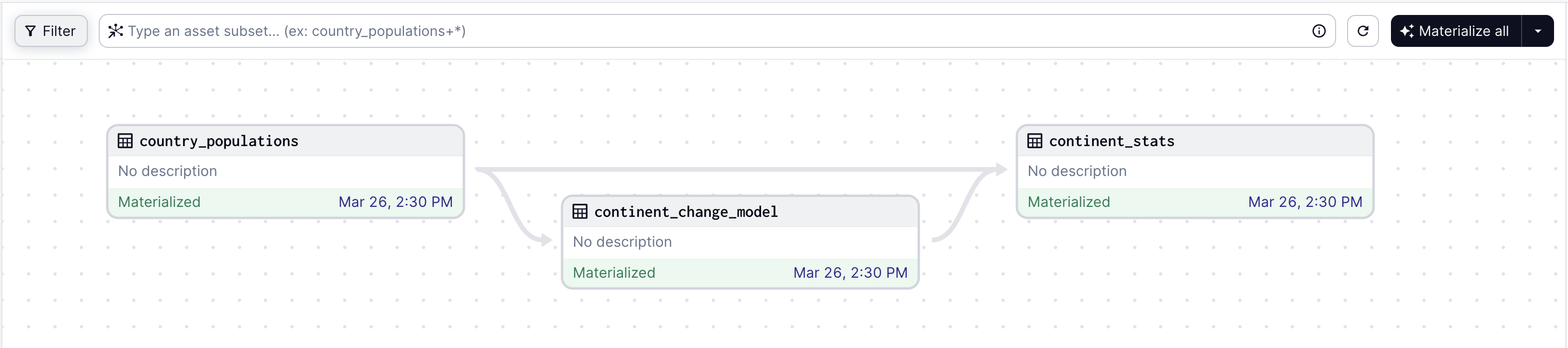
An orchestration platform for the development, production, and observation of data assets.
The Open Context Layer for Data and AI , OpenMetadata is the open platform for building trusted data context and business semantics for humans, AI assistants, and agents.
Kavita is a fast, feature rich, cross platform reading server. Built with the goal of being a full solution for all your reading needs. Setup your own server and share your reading collection with your friends and family.
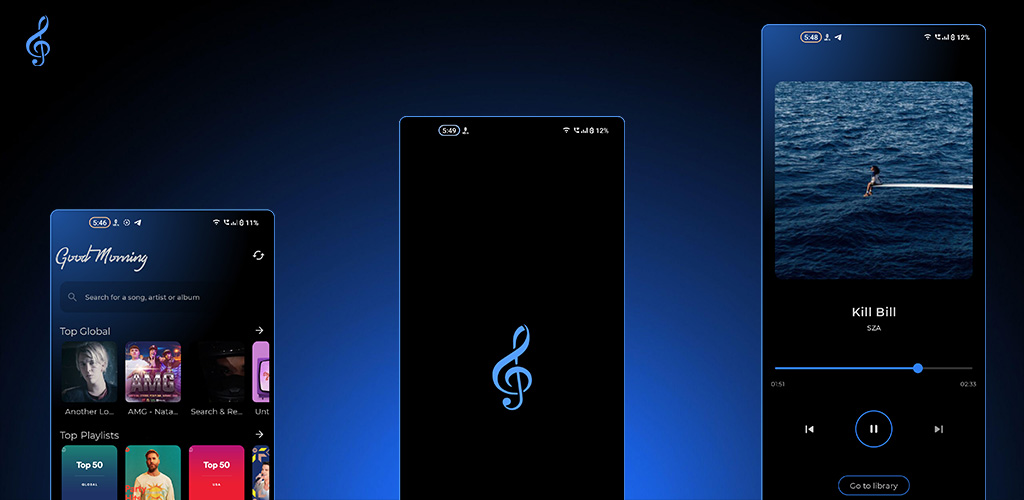
Kotlin Multiplatform Music Downloader, Supports Spotify / Gaana / Youtube Music / Jio Saavn / SoundCloud.
All-in-one Kubernetes SDK: create, manage, and operate clusters across distributions (Kind, K3d, Talos, VCluster) with built-in GitOps, secrets, AI assistant, and MCP server. Only requires Docker or a Cloud Provider.
DevantlerTech Platform - including deployment artifacts for running the platform in CI/CD and in Talos Omni.
World at Ruin — a source-available, cloud-native MMORPG built almost entirely by agents.
Tool-neutral agent-plugin marketplace — maintained and curated skills, MCP servers and agents in category plugins for VS Code, GitHub Copilot CLI, and Claude Code
Template for new devantler-tech applications — a Go, .NET, SvelteKit or own stack, optionally a platform tenant, kept current via template-sync.
Opinionated, batteries-included Kubernetes platform (Flux GitOps + KSail + Talos) you instantiate from a template — fully automated bootstrap from GitHub Secrets. Derived from devantler-tech/platform.
Take My Repo has not tested this on your machine. Requirements come from the project's own documentation.