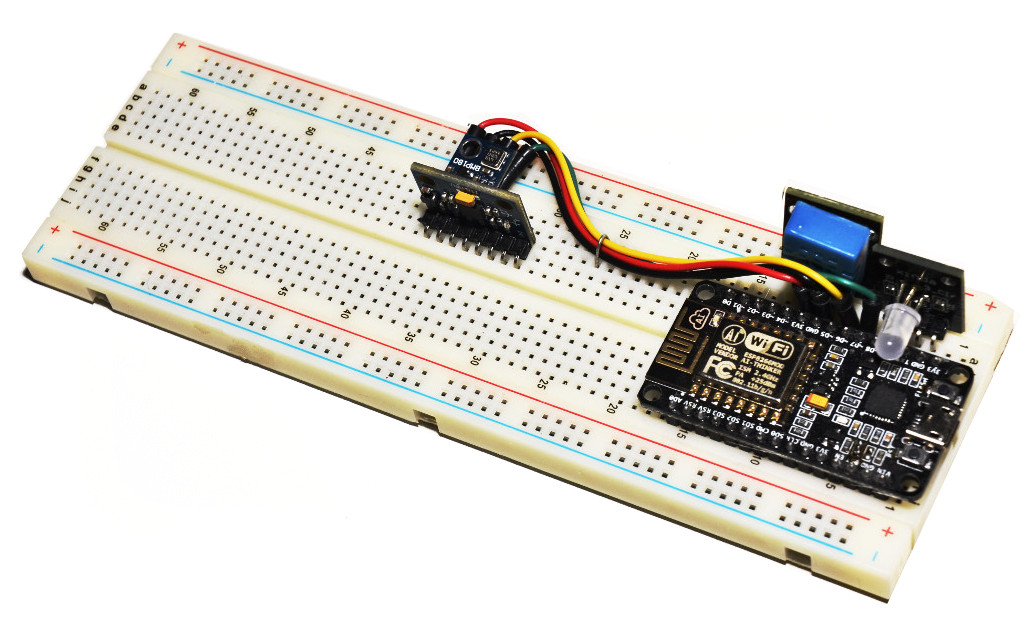
devicehive-python-device-simulator
Device activity simulating tool.
- 5
- Apache-2.0
- 9 y ago
Repo devicehive/devicehive-python-device-simulator, read from GitHub 1 min ago. devicehive has not joined Take My Repo.
In short
devicehive/devicehive-python-device-simulator is a public repo on GitHub by devicehive. Device activity simulating tool. It declares the Apache-2.0 license on GitHub. It is written mainly in Python, has 5 stars and last changed on 2018-05-08. Nobody has reviewed it on Take My Repo yet, which says nothing about its quality. Read from GitHub on 2026-11-21.
Questions
What is devicehive-python-device-simulator?
devicehive/devicehive-python-device-simulator is a public repo on GitHub by devicehive. Device activity simulating tool.
Is devicehive-python-device-simulator open source?
It declares the Apache-2.0 license on GitHub.
Does devicehive-python-device-simulator run on macOS, Windows or Linux?
Its maker has not tagged a system, so it is unknown here. Its README says what it needs.
How do I install devicehive-python-device-simulator?
Open "Take it" on its page: Take My Repo writes an install plan for your machine and hands it to your AI agent (Claude Code, Codex or Cursor), which asks you before each step. Take My Repo has not tested it on any machine.
Is devicehive-python-device-simulator still maintained?
Its last change on GitHub was on 2018-05-08. Take My Repo does not judge from that whether it is maintained.