ui-ux-pro-max-skill
An AI skill that provides design intelligence for building professional UI/UX across multiple platforms.
- 153k
- Python
- MIT
- 18 h ago
Command output parsers implemented as an mq module.
Repo harehare/cmd.mq, read from GitHub 12 h ago. harehare has not joined Take My Repo.
harehare/cmd.mq is a public repo on GitHub by harehare. Command output parsers implemented as an mq module. It declares the MIT license on GitHub. It has 1 stars and last changed on 2026-10-31. Nobody has reviewed it on Take My Repo yet, which says nothing about its quality. Read from GitHub on 2026-11-22.
harehare/cmd.mq is a public repo on GitHub by harehare. Command output parsers implemented as an mq module.
It declares the MIT license on GitHub.
Its maker has not tagged a system, so it is unknown here. Its README says what it needs.
Open "Take it" on its page: Take My Repo writes an install plan for your machine and hands it to your AI agent (Claude Code, Codex or Cursor), which asks you before each step. Take My Repo has not tested it on any machine.
Its last change on GitHub was on 2026-10-31. Take My Repo does not judge from that whether it is maintained.
Nobody has reviewed it on Take My Repo yet, which says nothing about its quality.
An AI skill that provides design intelligence for building professional UI/UX across multiple platforms.
The new Windows Terminal and the original Windows console host, all in the same place!
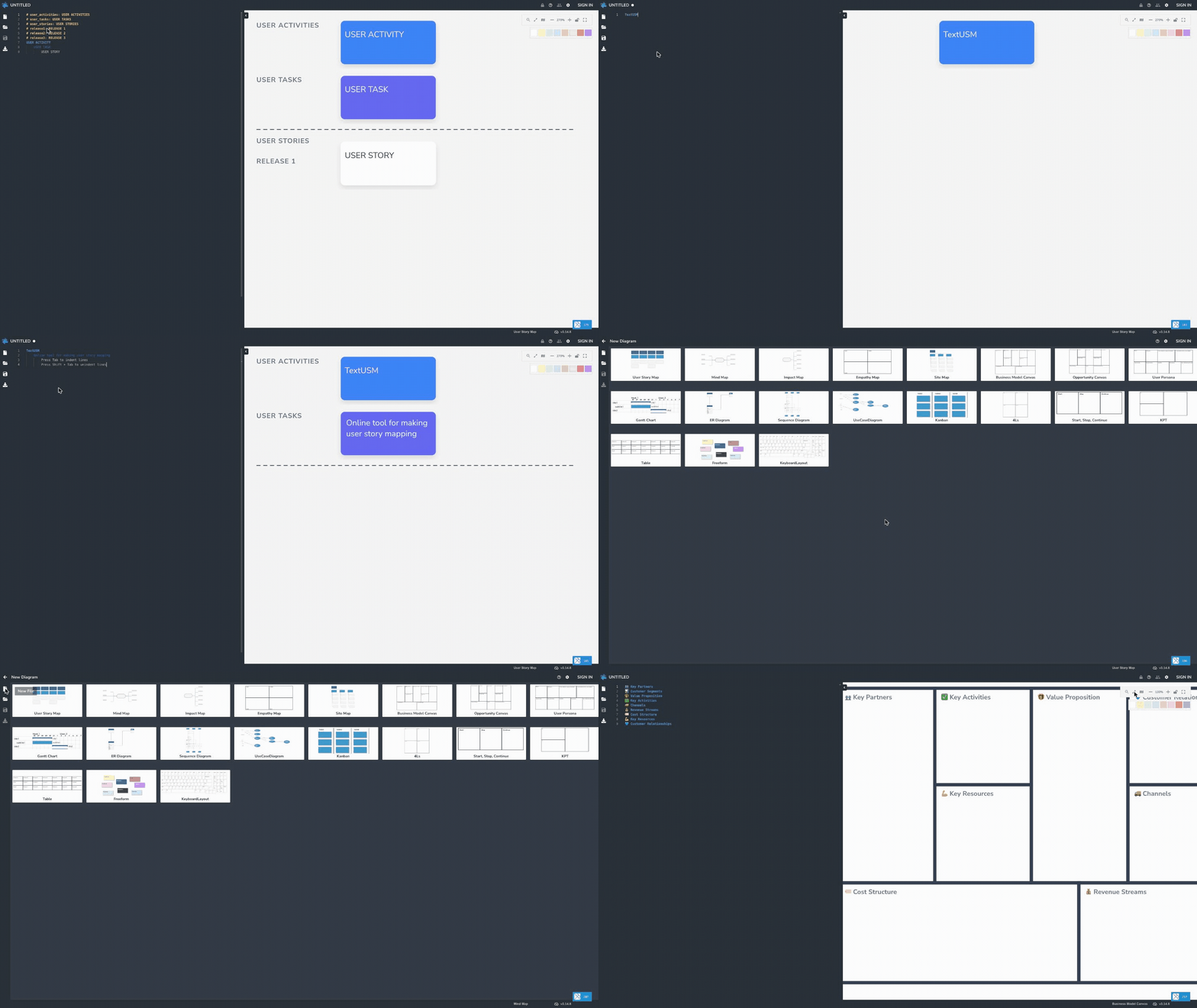
TextUSM is a web-based diagram editor that generates diagrams from indented text
A task runner that executes code blocks in Markdown files based on section titles.
Markdown-specialized embedded database with interval-indexed block storage and hierarchical query support.