

rea
Reverse engineer anything with agents, from app behavior down to native binaries.
- 473k
- TypeScript
- MIT
- 2 h ago
Roadmap app with Flutter & Firebase (Personal Development)
Repo mnengineer/roadmap, read from GitHub 1 min ago. mnengineer has not joined Take My Repo.
mnengineer/roadmap is a public repo on GitHub by mnengineer. Roadmap app with Flutter & Firebase (Personal Development). It declares the MIT license on GitHub. It is written mainly in Dart, has 11 stars and last changed on 2024-01-11. Nobody has reviewed it on Take My Repo yet, which says nothing about its quality. Read from GitHub on 2026-11-21.
This is an app to support achieving your goals.
Through this app, we aim to explore the optimal architecture for Flutter development and utilize it as a reference for future projects.
(※ Development paused as of December 2023)
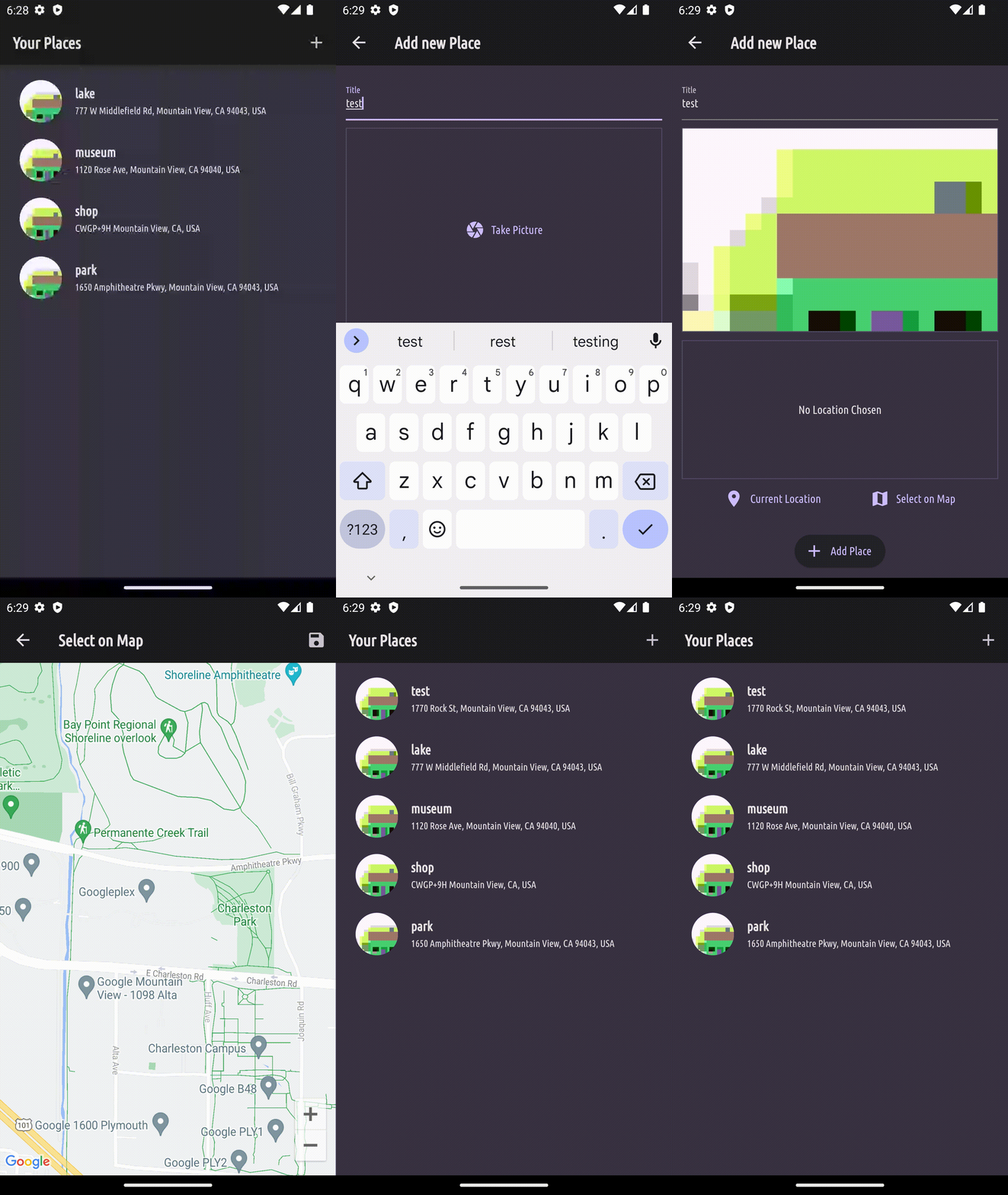
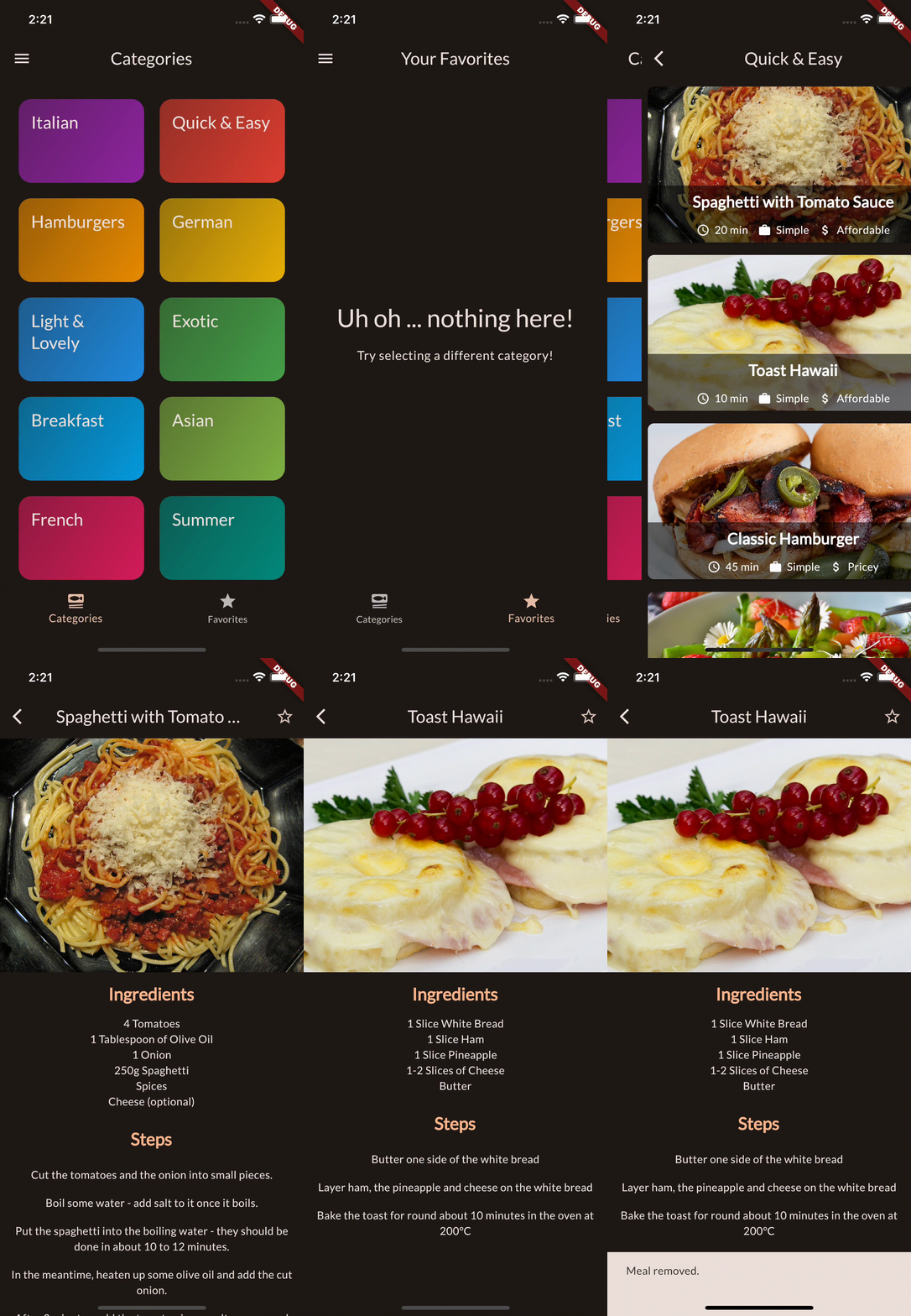
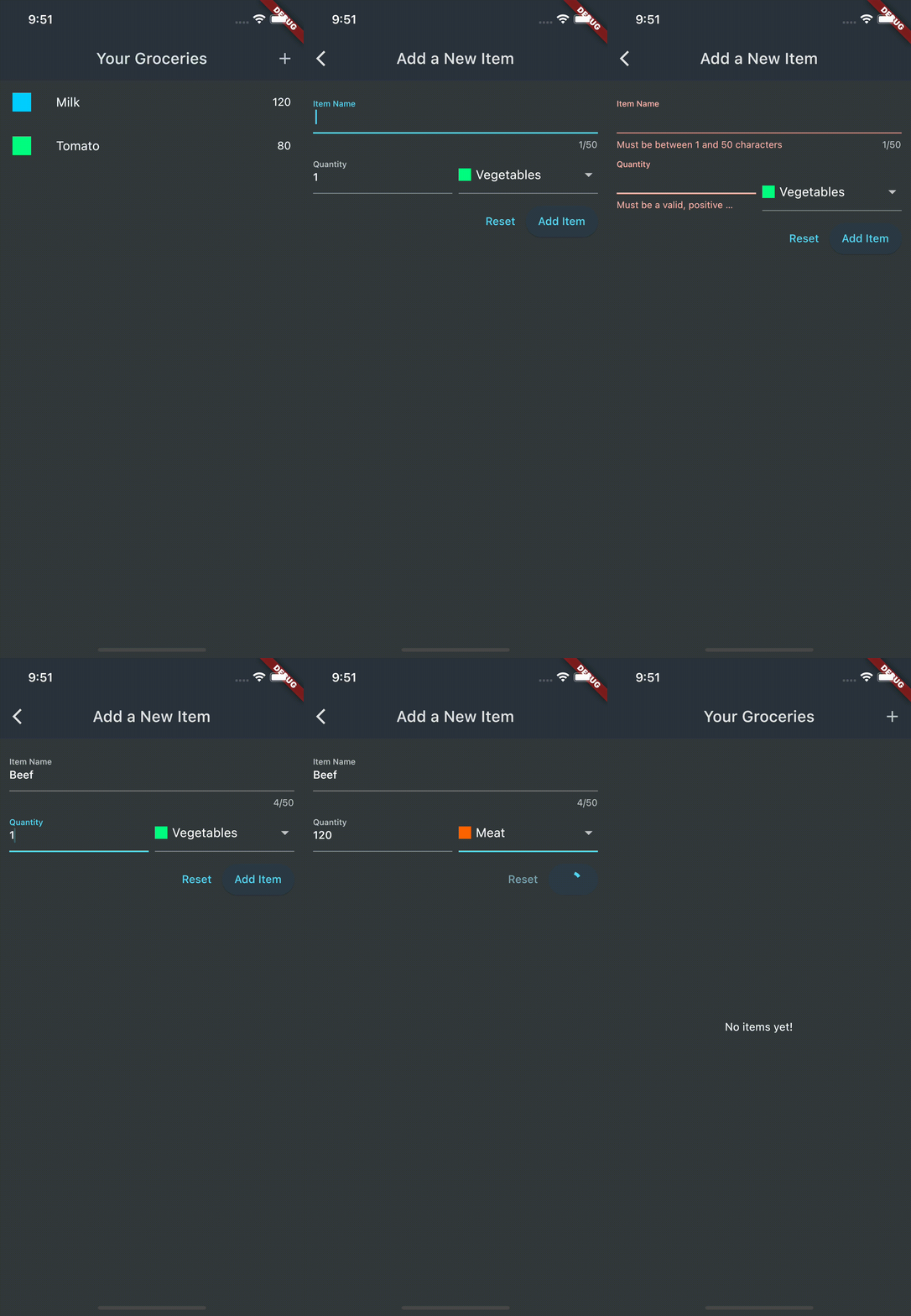
| Splash Screen | Welcome Screen |
|---|---|
 |
 |
| Login Screen | Signup Screen |
|---|---|
 |
 |
| Home Screen | Empty Screen |
|---|---|
 |
 |
| Add Goal Screen | Edit Screen |
|---|---|
 |
 |
| Add Roadmap Screen | Edit Screen |
|---|---|
 |
 |
| Validation Error | Delete Screen |
|---|---|
 |
 |
| Custom Screen | Statistics Screen | Settings Screen |
|---|---|---|
 |
 |
 |
launch.mp4 |
login.mp4 |
home.mp4 |
logout.mp4 |
MVVM with CleanArchitecture + Repository pattern
We adopted a combination of MVVM and Clean Architecture. MVVM is a UI design pattern, and Clean Architecture forms the overall architecture of the application. This combination allows us to create robust and scalable applications.
For state management in Flutter, tools like Riverpod are available, which can partially fulfill the role of MVVM's ViewModel. However, from an architectural perspective, we decided to adopt ViewModel to strengthen the loose coupling between UI logic and business logic.
+-------------------------+
|   Presentation: View    |
+-------------------------+
        |
        V
+-------------------------+
| Presentation: ViewModel |
+-------------------------+
        |
        V
+-------------------------+
|    Domain: Use Case     |
+-------------------------+
        |
        V
+-------------------------+      +-----------------------------------------+
|    Data: Repository     |----->| Data Source: Remote for API or Firestore|
+-------------------------+      +-----------------------------------------+
+-------------------------+
|   Presentation: View    |
+-------------------------+
        ^
        |
+-------------------------+
| Presentation: ViewModel |
+-------------------------+
        ^
        |
+-------------------------+
|    Domain: Use Case     |
+-------------------------+
        ^
        |
+-------------------------+      +-----------------------------------------+
|    Data: Repository     |<-----| Data Source: Remote for API or Firestore|
+-------------------------+      +-----------------------------------------+
Directory structure based on the principles of Clean Architecture. Designed to prioritize loose coupling and reusability, enhancing the independence of each layer.
The main goal of this structure is to center the application's core business rules while placing the more change-prone details on the periphery. This approach enhances the system's flexibility and durability. The Repository pattern conceals the details of data retrieval and persistence, simplifying data access throughout the application.
The aim is to increase loose coupling and reusability, making it easier to make changes and test each layer independently.
├── core/             // Core layer (utilities, constants, extensions)
│  ├── config/
│  ├── constants/
│  ├── di/
│  └── utils/
├── domain/           // Domain layer (Entities, Repositories, Usecases)
│  ├── entities/
│  ├── repositories/
│  └── usecases/
├── data/             // Data layer (API, Firebase, Local DB)
│  ├── datasources/
│  │   ├── local/
│  │   └── remote/
│  ├── mappers/
│  ├── models/
│  └── repositories/
├── presentation/     // Presentation layer (Views, ViewModels)
│  ├── routers/
│  ├── viewmodels/
│  ├── views/
│  └── widgets/
└── main.dart
mnengineer/roadmap is a public repo on GitHub by mnengineer. Roadmap app with Flutter & Firebase (Personal Development).
It declares the MIT license on GitHub.
Its maker has not tagged a system, so it is unknown here. Its README says what it needs.
Open "Take it" on its page: Take My Repo writes an install plan for your machine and hands it to your AI agent (Claude Code, Codex or Cursor), which asks you before each step. Take My Repo has not tested it on any machine.
Its last change on GitHub was on 2024-01-11. Take My Repo does not judge from that whether it is maintained.
Nobody has reviewed it on Take My Repo yet, which says nothing about its quality.
Reverse engineer anything with agents, from app behavior down to native binaries.
Flutter makes it easy and fast to build beautiful apps for mobile and beyond
The Postgres development platform. Supabase gives you a dedicated Postgres database to build your web, mobile, and AI applications.
f.k.a. Awesome ChatGPT Prompts. Share, discover, and collect prompts from the community. Free and open source — self-host for your organization with complete privacy.
Demo app for a collection of beautiful animated backgrounds with Flutter
This repository is a central hub for all my learning activities including Computer Science, English, and studies from books.