MiroFish
A Simple and Universal Swarm Intelligence Engine, Predicting Anything. 简洁通用的群体智能引擎,预测万物
- 87k
- Python
- AGPL-3.0
- 6 wk ago
Agent memory: long-term memory & agent memory handoff. Claude Code & Codex.
Repo oceanbase/powercontext, read from GitHub 14 h ago. oceanbase has not joined Take My Repo.
oceanbase/powercontext is a public repo on GitHub by oceanbase. Agent memory: long-term memory & agent memory handoff. Claude Code & Codex. It declares the Apache-2.0 license on GitHub. It is written mainly in Python, has 1,817 stars and last changed on 2026-11-25. Nobody has reviewed it on Take My Repo yet, which says nothing about its quality. Read from GitHub on 2026-11-25.
A Simple and Universal Swarm Intelligence Engine, Predicting Anything. 简洁通用的群体智能引擎,预测万物
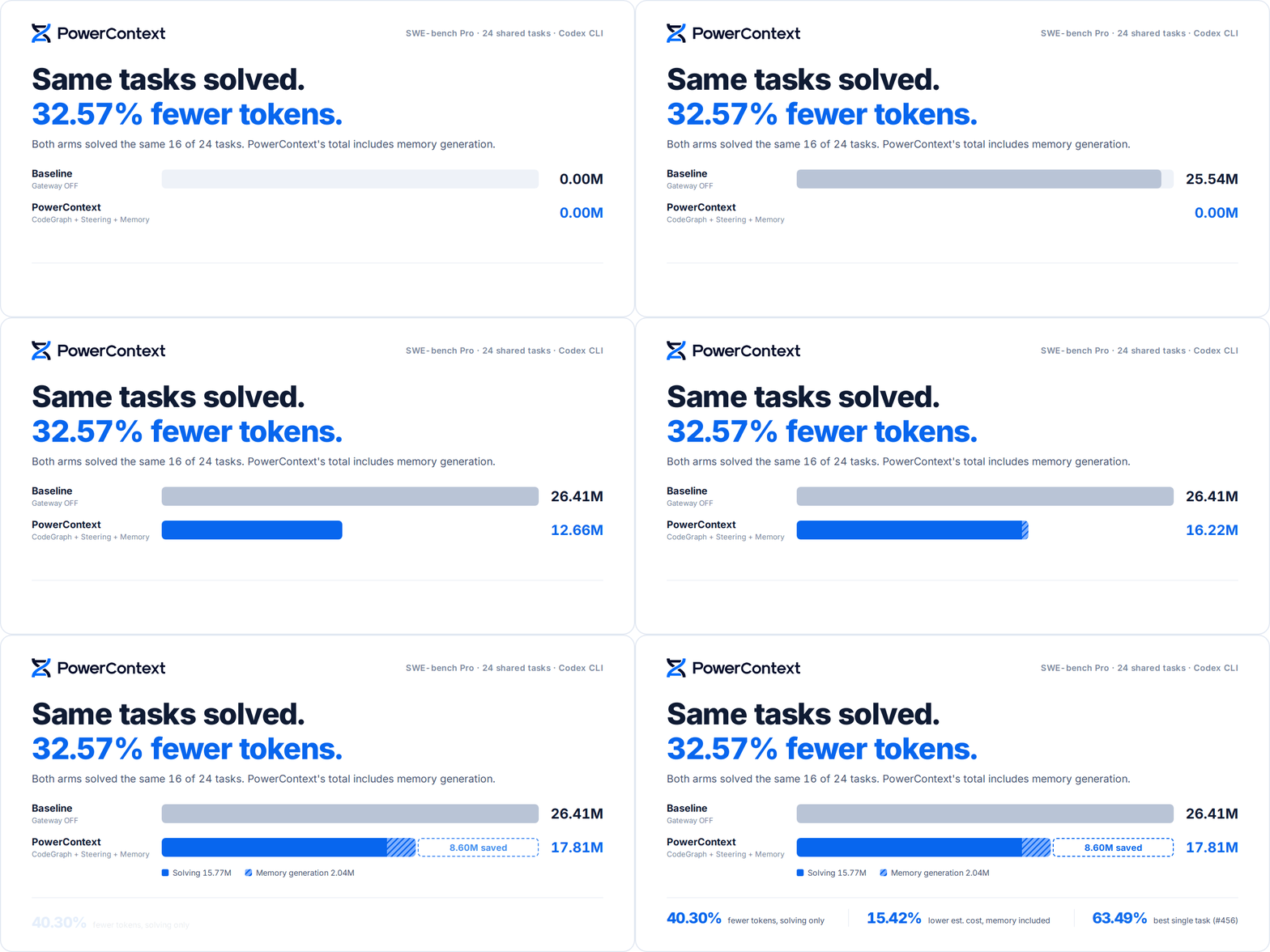
Fewer detours. Fewer tokens.
Handoffs · shared memory across agents · company knowledge bases · per-user profiles · Dream · Scope isolation · memory rules per Scope · your existing subscription, all in one service.
What · Why · Use cases · Architecture · Quick start · Ecosystem · News · Docs · Feishu · Discord
English · 中文 · 日本語 / Python package · Apache 2.0
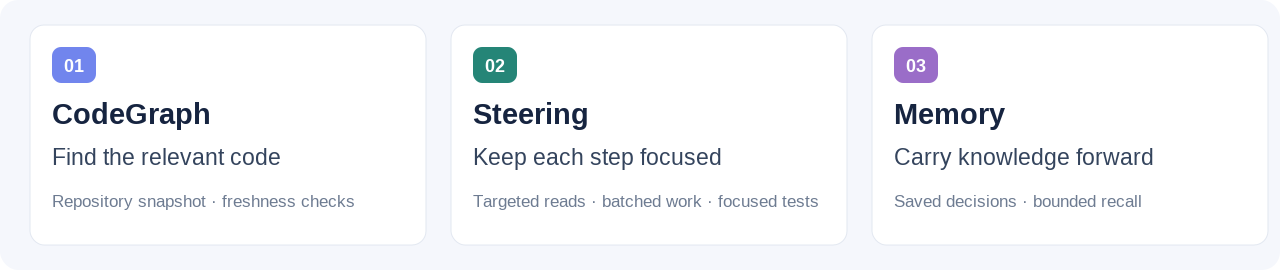
PowerContext helps agents and harnesses manage context. It turns conversations, documents, and work records into knowledge that can be searched, updated, and traced to its sources, and brings it to the agent when needed:
Run it as a service through HTTP, MCP, Python, or Agent integrations, or embed Core in your own application.
Every model call in an agent loop re-sends the accumulated context. So PowerContext optimizes the round trips and total cost of finishing the whole task: helping the agent find the right code, read the right lines, batch independent work, and run focused tests, with less repeated exploration and fewer unproductive attempts.
This benchmark runs in gateway mode, with code retrieval, working guidance, and project memory enabled together:
24-task benchmark: results and methodology → · Main-model request counts → · Memory-extraction cost and quality →
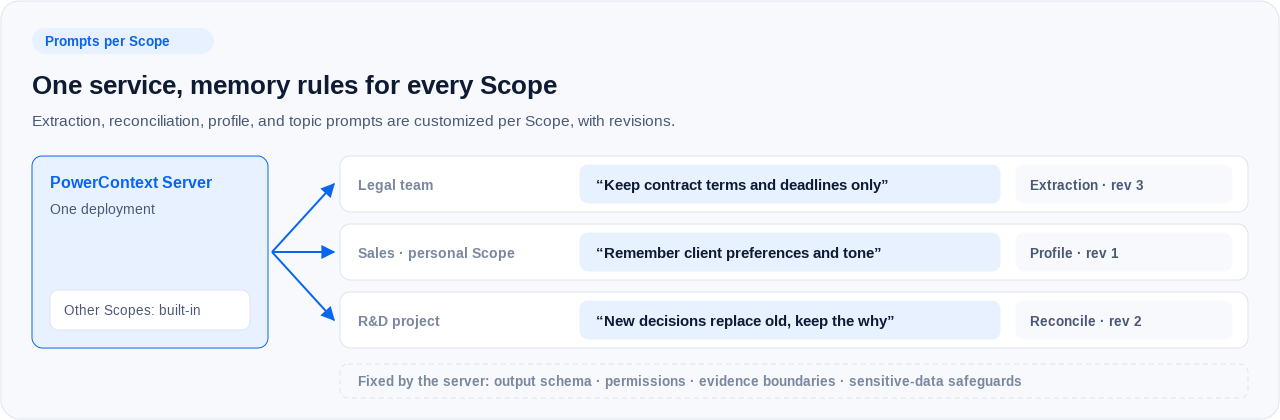
Many memory services configure extraction rules for a whole service or project. PowerContext keeps the prompts for memory extraction, reconciliation, profile generation, and Topic Memory as Scope-level artifacts, so every team, project, or even individual user can have its own memory rules. Every change is kept as a revision you can restore, and Dream can propose revisions from past evidence for your review.
Rules decide only what to keep and how to organize it. The output schema, tools and permissions, evidence boundaries, and sensitive-data safeguards stay fixed by the server, so changing a rule cannot break the system. With access control enabled, changes need Scope admin rights. The Dashboard has no editor yet; applications can expose this to their own users through the API. Manage prompts →
Review candidates → · Scopes and access →
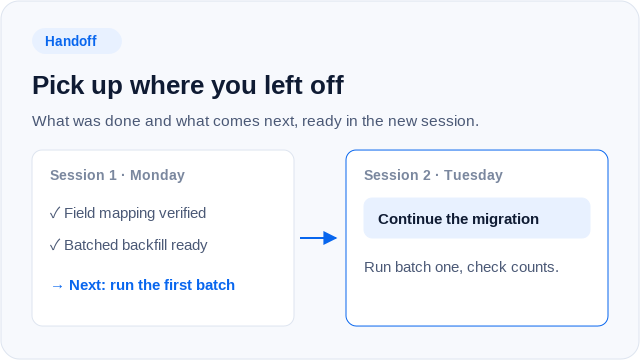
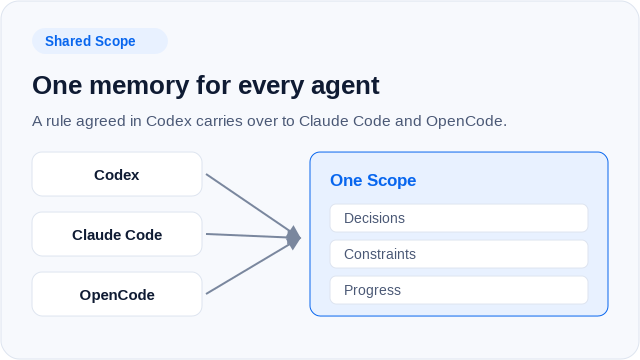
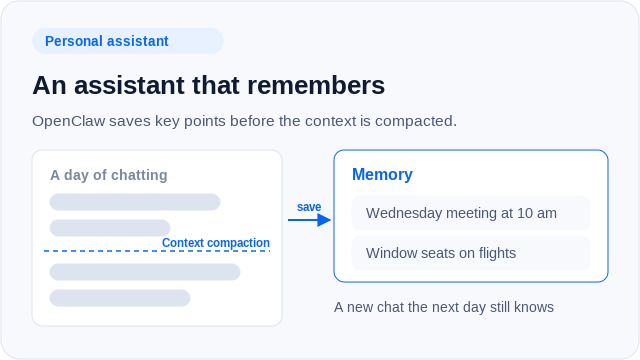
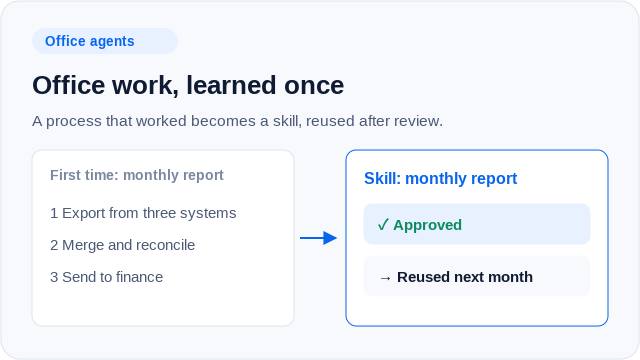
PowerContext works with coding agents, personal assistants, and office agents, and embeds into applications built by teams and companies.
Coding agents
Personal assistants and office agents
Team and business applications
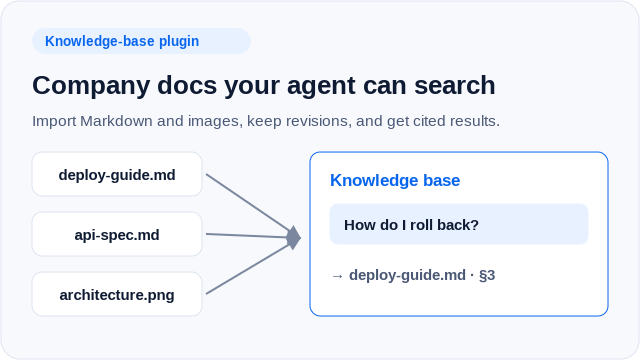
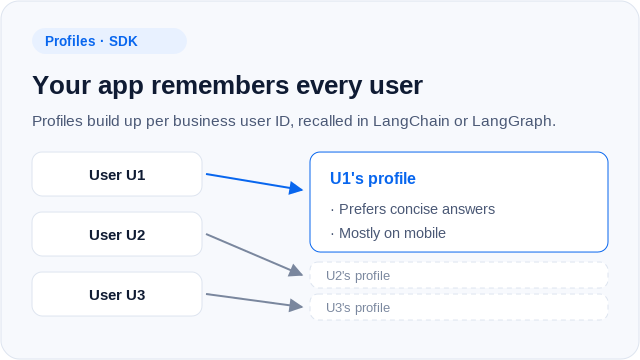
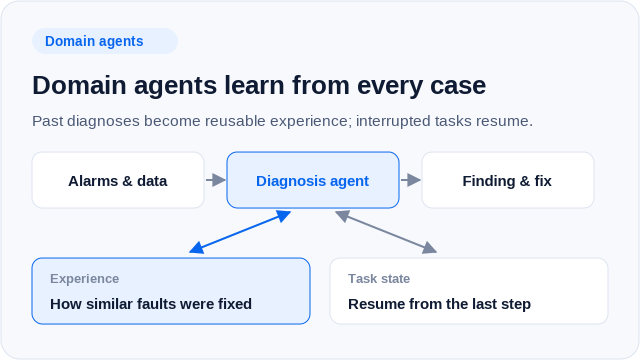
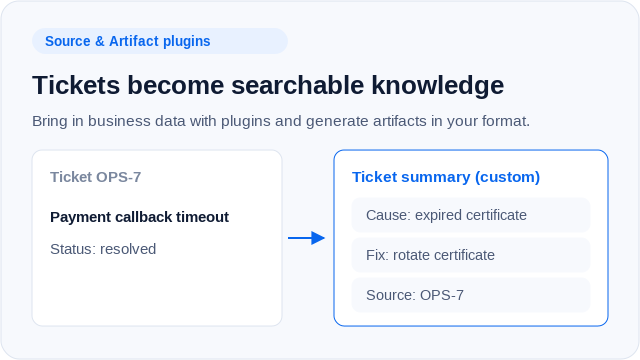
Handoffs · Scopes and sharing · OpenClaw · Hermes · Experience and skills · Knowledge-base plugin · Profiles · Power-system diagnosis case · Source and Artifact plugins
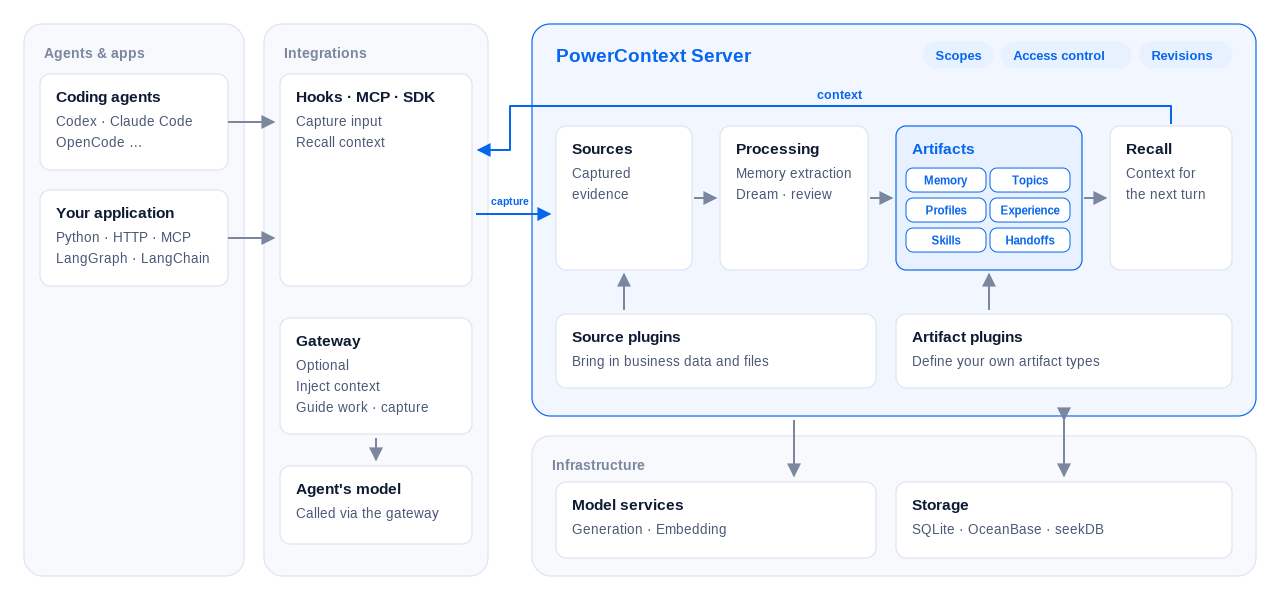
Agents connect to the Server through hooks, MCP, or SDKs, or send model requests through the gateway, which injects context and provides working guidance. The Server keeps source evidence (Sources) per Scope, processes it in the background into Artifacts such as memories, Topic Memory, profiles, experiences, and skills, and recalls them into context for the next turn. Source and Artifact plugins add new data sources and artifact types. Architecture and responsibilities →
oceanbase/powercontext is a public repo on GitHub by oceanbase. Agent memory: long-term memory & agent memory handoff. Claude Code & Codex.
It declares the Apache-2.0 license on GitHub.
Its maker has not tagged a system, so it is unknown here. Its README says what it needs.
Open "Take it" on its page: Take My Repo writes an install plan for your machine and hands it to your AI agent (Claude Code, Codex or Cursor), which asks you before each step. Take My Repo has not tested it on any machine.
Reverse engineer anything with agents, from app behavior down to native binaries.
Self-evolving Context Database for AI Agents. Unify Agent Memory, Knowledge RAG and Skills.
The agent harness performance optimization system. Skills, instincts, memory, security, and research-first development for Claude Code, Codex, Opencode, Cursor and beyond.
🌊 The original agent harness. Deploy intelligent multi-player swarms, coordinate autonomous workflows, and build conversational AI systems. Features adaptive memory, self-learning intelligence, federation, vector RAG integration, and native Claude Code / Codex / Hermes and many more Integrated
Its last change on GitHub was on 2026-11-25. Take My Repo does not judge from that whether it is maintained.
Nobody has reviewed it on Take My Repo yet, which says nothing about its quality.
Take My Repo cannot say: it does not audit code and has not run powercontext. What is known comes from GitHub. It declares the Apache-2.0 license on GitHub. Its last change was on 2026-11-25. It has 1,817 stars, which measure popularity, not safety. Nobody has reviewed it on Take My Repo yet, which says nothing about its quality. Read the source before you run it. With "Take it", your AI agent shows each step and asks you before running it; README text is treated as data, not as instructions.