A Rust toolbox: case-style conversion, slice/map helpers, Snowflake IDs, order IDs, query-condition parsing, MySQL DDL parsing, a priority event loop, relation backfill, password hashing, AES/HMAC, JWT, random nickname generation, bank-card BIN lookup, image CAPTCHA, IP geolocation, machine translation, distributed locks, Chinese national crypto (SM), and more.
Design principles:
- Core modules are zero-dependency (
std only); capability areas with heavier dependencies (time, randomness, crypto, JWT, …) are enabled per-feature;
- The whole crate carries
#![forbid(unsafe_code)];
- Boundary reads (geoip, ddl_parser, …) return errors or empty results on out-of-range or malformed input — never panic.
Usage
[dependencies]
rust-utils = "0.2"

# Enable features as needed, e.g.:
# rust-utils = { version = "0.2", features = ["chrono", "rand", "password"] }
# or everything: features = ["full"]
Modules
| Module |
Feature |
Description |
byteutil |
default |
Integer/byte conversions, ASCII case flips |
stringcase |
default |
camel/snake/kebab conversion, acronym- and digit-segment aware |
stringutil |
default |
Lenient numeric/boolean parsing, JSON field-value rewriting |
sliceutil |
default |
Find family, intersection/difference/union, dedup, chunking |
sqlutil |
默认 |
Lexical SQL masking (MaskSQL) and table extraction (ExtractTables) for PostgreSQL-flavored SQL |
maputil |
default |
keys/values/merge/drop/filter |
mathutil |
default |
Statistics, hand-written Gaussian, Erfc/Ierfc |
sensitive |
default |
Sensitive-word filtering: trie longest-match, interspersed-char skipping, masking |
netutil |
默认 |
SSRF protection (URL validation + blocked CIDRs + DNS resolve check), spoof-proof client IP via trusted proxy chain |
pagination |
default |
Pagination offsets |
cryptocurrency |
default |
Crypto wallet address format validation |
query_parser |
json (for the JSON form) |
Django-style field__op filter/sort parsing |
ddl_parser |
default |
MySQL CREATE TABLE parsing (hand-written lexer, zero deps) |
eventloop |
default |
Single-threaded priority event loop, with a frame-driven mode |
eventbus |
默认 |
In-process event bus: subscribe/publish + middleware chain + multi-bus manager |
aggregator |
default |
Relation backfill (lists/trees) + parallel executor + cached batch loader |
converter |
默认 |
REST path / operationID → resource:action permission code |
authorizer |
默认 (casbin/opa engines via authorizer-casbin/authorizer-opa) |
Authorization manager shell: Engine abstraction + noop/deny-all + built-in RBAC engine + casbin/OPA engines (fail-closed) |
id |
default (uuid optional) |
Snowflake IDs, order IDs, machine codes (built-in SHA-256), UUID v4/v7 |
fsutil |
default (glob optional) |
File/path helpers |
dateutil |
chrono |
Day-granularity truncation, range checks |
timeutil |
chrono |
Today/yesterday/this-month/last-month ranges, time differences, format conversion |
random |
rand |
Random toolkit: weighted choice/alias table/dice/jitter/gaussian/phone numbers, etc. |
name_generator |
name-generator |
Random nicknames and Chinese/English/Japanese names (embedded 2.5 MB dictionaries) |
slug |
slug |
URL slugs (unicode transliteration) |
structutil |
structutil |
Struct field traversal: serde-flavored ForEach/ToMap (rename/skip semantics carried by serde attributes) |
password |
password |
PBKDF2/bcrypt/argon2/HMAC/SHA hashing strategies + complexity validation |
ossutil |
ossutil |
Object-storage helpers: MIME/magic-byte → bucket & extension mapping, filename strategies, upload guards, Aliyun OSS presigned URLs |
crypto |
crypto |
AES-CBC/AES-GCM/HMAC/SHA-2, Encryptor (enc: prefix) envelope, unified Cipher/Signer faces |
auditutil |
auditutil |
Audit log: client IP + tamper-evidence chain (deterministic hashing + ECDSA-P256 signing) |
doctext |
doctext (PDF via doctext-pdf, xlsx via doctext-xlsx) |
Plain-text extraction from txt/md/csv/html/docx/pdf/xlsx |
fieldperm |
fieldperm |
Field-level read/write trimming (path semantics aligned with the protoreflect behavior) |
mailer |
mailer |
SMTP mail: STARTTLS / implicit SSL, sender display name |
notify |
notify |
Multi-channel notification: webhook/IM/email/SMS/vendor push, SSRF-guarded outbound |
jwt |
jwt |
JWT generate/parse/verify/refresh: HS256 shared-secret + RS*/PS*/ES* PEM asymmetric (alg pinned against confusion) |
bank_card |
bank-card |
Luhn validation + BIN lookup (2,013 embedded records) |
captcha |
captcha |
Image CAPTCHA: digit/alphanumeric/arithmetic/Chinese text drivers + slide/click/rotate, self-drawn rendering, JSON output compatible with the base64Captcha front-end component, pluggable storage (captcha-redis adds a Redis store) |
fieldmask |
fieldmask |
Field masks: nested mask-tree building + filter/prune/overwrite/validate/path normalization, over serde_json::Value |
tls |
tls |
TLS certificate loading: rustls server/client configs assembled from PEM files/bytes (one-way/mutual) |
geoip |
geoip |
IP geolocation with three backends: qqwry (GB18030, province/city splitting), ip2region xdb v2 (vector index + segment bisection, searcher pool), MaxMind mmdb reader; data files are loaded by the caller |
translator |
translator |
Translators for four backends: Baidu (MD5 signature) / Alibaba (RPC signature) / Google (bare v1 endpoint, v2/v3 REST) / Volc (HMAC-SHA256 derivation chain); one request per call, no automatic retry; request construction and signatures are offline-verifiable |
distlock |
distlock |
Distributed locks: Locker/Lock abstractions with acquire options (Redis store via distlock-redis, wire-compatible with the bsm/redislock protocol; etcd store via distlock-etcd, lease+txn acquisition with block-wait support) |
sm |
sm |
Chinese national crypto SM2 (C1C3C2/ASN.1 encryption & signatures) / SM3 / SM4-CBC |
otp |
otp |
RFC 4226 HOTP / RFC 6238 TOTP (SHA-1/256/512, 6–8 digits, configurable window), otpauth:// URI building & parsing |
qrcode |
qrcode (PNG via qrcode-png) |
QR codes: module matrix + SVG + terminal block chars; decode roundtrip covered in tests |
xlsx |
xlsx |
Excel read/write: calamine reader + rust_xlsxwriter writer, write→read roundtrip tested in-crate |
code_generator |
code-generator |
Template-driven codegen: mustache-subset renderer (missing fields fail fast) + guarded file output |
mapper |
mapper |
entity↔DTO field mapping over serde_json: rename/nested move/enum conversion/defaults/whitelist |
printrender |
printrender |
HTML/URL → PDF (margins/scale/header-footer/page ranges) and PNG/JPEG screenshots via local Chrome/Edge CDP |
Examples
Case conversion (acronym- and digit-segment aware)
use rust_utils::stringcase;

assert_eq!(stringcase::snake_case("HTTPStatusCode"), "http_status_code");
assert_eq!(stringcase::snake_case("Numbers123Test"), "numbers123_test");
assert_eq!(stringcase::upper_camel_case("parse_url.do_parse"), "ParseUrlDoParse");
assert_eq!(stringcase::kebab_case("Hello World!"), "hello-world");
Snowflake IDs and order IDs
use rust_utils::id;

let node = id::SnowflakeNode::new(1).unwrap();
let a = node.generate();
let b = node.generate();
assert!(b > a); // monotonically increasing

let order = id::generate_order_id_with_random("ORD", None);         // ORD + 14-digit timestamp + random digits
let order = id::generate_order_id_with_increase_index("ORD", None); // ORD + 14-digit timestamp + incrementing index
Query condition parsing
use rust_utils::query_parser;

let mut got = Vec::new();
query_parser::parse_filter_query_string(
    "name__icontains:%E5%BC%A0,age__gte:18",
    |field, op, value| got.push((field.to_string(), op.to_string(), value.to_string())),
).unwrap();
// got: [("name", "icontains", "张"), ("age", "gte", "18")]
MySQL DDL parsing
use rust_utils::ddl_parser;

let table = ddl_parser::parse_create_table(
    "CREATE TABLE `users` (\
        `id` BIGINT AUTO_INCREMENT PRIMARY KEY, \
        `userName` VARCHAR(100) NOT NULL COMMENT '用户名'\
    ) ENGINE=InnoDB DEFAULT CHARSET=utf8mb4 COMMENT='用户表'",
).unwrap();

assert_eq!(table.name, "users");
assert!(table.columns[0].auto_increment);
assert_eq!(table.columns[1].comment, "用户名");
assert_eq!(table.engine, "innodb");
Priority event loop
use rust_utils::eventloop::{new_request_event, EventLoop, EventProcessor, EventResult};
use std::sync::{Arc, Mutex};
use std::time::Duration;

struct Collector(Arc<Mutex<Vec<String>>>);

impl EventProcessor<String> for Collector {
    fn process(&mut self, event: Event<String>) -> EventResult<String> {
        self.0.lock().unwrap().push(event.event_type.clone());
        EventResult::ok(event.data)
    }
}

let seen = Arc::new(Mutex::new(Vec::new()));
let loop_ = EventLoop::new(16, Collector(seen.clone()), false);
loop_.start();

// request events carry a receipt, handy for waiting on completion
let (ev, rx) = new_request_event("ping", Some("hello".to_string()));
loop_.submit(ev).unwrap();
let reply = rx.recv_timeout(Duration::from_secs(5)).unwrap();
loop_.stop();

assert_eq!(reply.data.as_deref(), Some("hello"));
Relation backfill (avoids N+1)
use rust_utils::aggregator::populate;
use std::collections::HashMap;

struct Order { id: u32, user_name: Option<String> }

let mut orders = vec![Order { id: 1, user_name: None }];
let users: HashMap<u32, String> = [(1, "张三".to_string())].into();

populate(&mut orders, &users, |o| o.id, |o, name| o.user_name = Some(name));
assert_eq!(orders[0].user_name.as_deref(), Some("张三"));
Password hashing
use rust_utils::password::{Argon2Crypto, Crypto};

let algo = Argon2Crypto;
let hash = algo.encrypt("s3cret!").unwrap();       // standard PHC format
assert!(algo.verify("s3cret!", &hash).unwrap());
CAPTCHA service
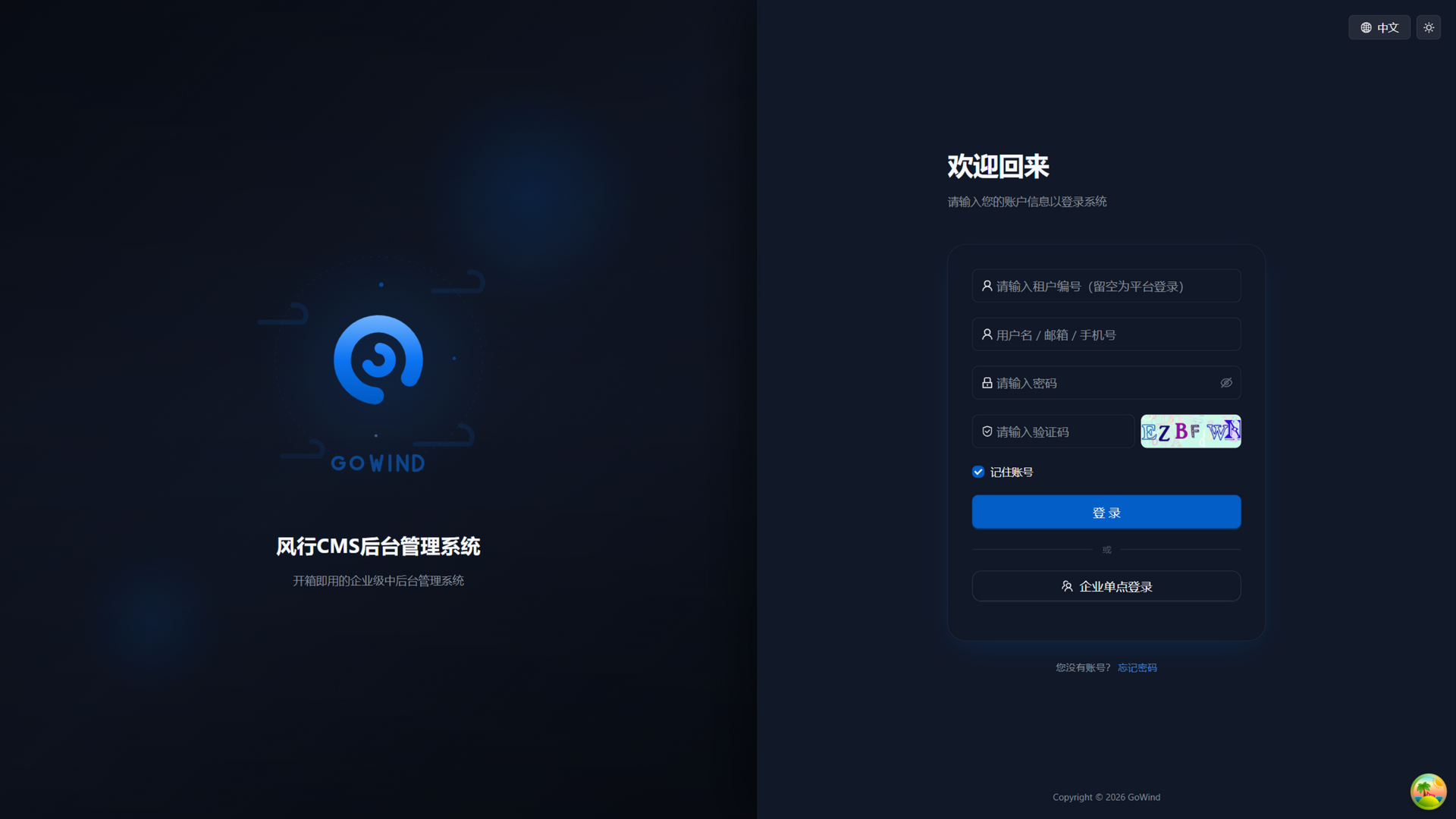
Seven drivers: four text drivers (digit/alphanumeric/arithmetic/Chinese) plus three interactive ones (slide/click/rotate); rendering is fully programmatic, with no external image assets (see assets/captcha/README.md for glyph asset notes). Text drivers return PNG data URIs; interactive drivers return JSON compatible with the base64Captcha front-end component.
use rust_utils::captcha::{Captcha, Config, DriverKind};

let cap = Captcha::with_config(Config::with_driver(DriverKind::Digit));
let (id, b64, answer) = cap.generate().unwrap();
// text drivers return a PNG data URI; slide/click/rotate drivers return
// JSON (with embedded JPEG master / PNG thumbnail images)
assert!(b64.starts_with("data:image/png;base64,"));
assert!(cap.verify(&id, &answer).unwrap()); // one-shot verification
With the captcha-redis feature enabled, swap Captcha::with_store(MemoryStore::new(), cfg) for RedisStore::new("redis://127.0.0.1/")? — the service-level API stays exactly the same.
Cached batch loading
use rust_utils::aggregator::Loader;
use std::sync::atomic::{AtomicUsize, Ordering};

let calls = std::sync::Arc::new(AtomicUsize::new(0));
let calls2 = calls.clone();
let loader = Loader::new(move |keys: &[u32]| {
    calls2.fetch_add(1, Ordering::Relaxed);
    keys.iter().map(|k| (*k, k * 10)).collect()
});

let got = loader.load_many(&[1, 2, 3]);
assert_eq!(got[&2].as_ref(), &20);
loader.load_many(&[2, 3]); // all cache hits, no refetch
assert_eq!(calls.load(Ordering::Relaxed), 1);
Development
cargo test                 # core-module tests (zero-dependency)
cargo test --all-features  # all-module tests (1085 unit + 62 doc tests, 1 marked ignore)
cargo clippy --all-features --all-targets
cargo fmt
Release
CI publishes to crates.io on v* tags (.github/workflows/release.yml):
- Configure the
CARGO_REGISTRY_TOKEN secret once (crates.io → Settings → Tokens, publish-only);
- Bump
version in Cargo.toml + update CHANGELOG.md;
git tag v0.2.0 && git push origin v0.2.0 — tag/Cargo.toml consistency is checked, full tests run against live redis/etcd, then the crate is published.
License
MIT