
awesome-scalability
The Patterns of Scalable, Reliable, and Performant Large-Scale Systems
- 76k
- MIT
- 11 mo ago
Wix like backend CMS with Wordpress like simplicity
Repo varshneydevansh/backy, read from GitHub 15 min ago. varshneydevansh has not joined Take My Repo.
varshneydevansh/backy is a public repo on GitHub by varshneydevansh. Wix like backend CMS with Wordpress like simplicity. It declares the MIT license on GitHub. It is written mainly in TypeScript, has 5 stars and last changed on 2026-11-08. Nobody has reviewed it on Take My Repo yet, which says nothing about its quality. Read from GitHub on 2026-11-22.
In the maintainer's words. Shown from GitHub; Take My Repo does not keep a copy.
Free, open-source visual website builder and CMS backend. Product name is backy.
Backy is a backend-first, open-source CMS platform with a drag-and-drop editor.
The goal is to give non-technical and technical teams a complete website-authoring backend with API-first output for any custom frontend.
Current operational progress, production evidence, and the remaining launch actions are tracked in docs/elves/backy-release-plan.md. The separate page-surface audit remains in specs/page-completion-audit/backy-page-surface-audit.md.
backy/
├── apps/
│   ├── admin/   # Backy admin UI + editor + management
│   └── public/  # Backy public renderer + public endpoints
├── packages/
│   ├── core/    # Shared types and utilities
│   ├── database/# DB adapters and queries
│   ├── auth/    # Auth/contracts/helpers
│   ├── storage/ # Storage abstraction
│   ├── editor/  # Editor-specific UI logic
│   └── billing/ # Billing layer (future/optional)
├── specs/       # Product and implementation specs
├── supabase/    # Database migrations
└── scripts/     # Setup/build helpers
git clone <your-fork>/backy.git backy
cd backy
npm install
# apps/admin/.env
VITE_BACKY_PUBLIC_API_BASE_URL=http://localhost:3001/api
VITE_BACKY_ADMIN_API_BASE_URL=http://localhost:3001/api/admin
VITE_BACKY_ADMIN_API_KEY=dev-admin-key-change-me
npm run dev
Admin runs on http://localhost:5173; public app runs on http://localhost:3001.
Backy is designed to run as two deployable apps:
backy-adminbacky-publicFor external/custom frontends, use the public endpoints from apps/public directly and treat backy-public as your headless CMS host.
AI agents and external frontend teams should start with GET /api/sites/:siteId/agent-handoff; it returns a copyable agentBrief, canonical read order, manifest/OpenAPI/render/SDK pointers, every-component APIability rules, canvas-first creation routes, and design-state round-trip rules required for Backy canvas compatibility. Use specs/custom-frontend-agent-handoff.md as the human-readable companion.
Use npm run test:custom-frontend-connection when connecting a separate website frontend. With BACKY_CUSTOM_FRONTEND_API_BASE_URL=https://<backy-public-domain>/api and BACKY_CUSTOM_FRONTEND_SITE_ID=<site-id-or-slug>, it proves the public site discovery, agent-handoff, manifest, OpenAPI, resolve, and render contracts. Add BACKY_CUSTOM_FRONTEND_URL=https://<frontend-domain>, BACKY_CUSTOM_FRONTEND_REQUIRE_FRONTEND=1, and BACKY_CUSTOM_FRONTEND_REQUIRE_PROBE=1 after deploying the website to prove the rendered DOM still exposes Backy element ids, element types, component-contract pointers, editable-map pointers, and the deployed frontend's public /api/backy-connection self-check reports no forbidden private env names.
If you need the shortest release-critical custom frontend check, run npm run test:custom-frontend-control-plane. It chains the checked starter, custom frontend connection contract, Vercel production-readiness contract, and public-repo hygiene. The command is safe without private values; pass the live BACKY_CUSTOM_FRONTEND_* and BACKY_VERCEL_* environment variables to the underlying gates when certifying a real deployment.
Create two Vercel projects from this repo so admin/editor traffic and public/custom frontend traffic stay operationally separate.
backy-publicapps/publicnpm --prefix=../.. run build:vercel:publicnpm run devBACKY_DATA_MODE=database, BACKY_DATABASE_URL, BACKY_ADMIN_API_KEY, BACKY_ADMIN_SECRET_KEY, storage/provider secrets, NEXT_PUBLIC_BACKY_ADMIN_APP_URL, and exact custom-frontend origins in BACKY_CORS_ALLOWED_ORIGINS.apps/public/vercel.json schedules /api/admin/commerce/reconcile?limit=100 at 0 3 * * *.CRON_SECRET to the same server-only value as BACKY_ADMIN_API_KEY or BACKY_ADMIN_SECRET_KEY. Vercel sends it as a bearer token, and Backy authenticates the scheduled reconciliation request through the admin-key path.backy-adminapps/adminnpm --prefix=../.. run build:vercel:admindistVITE_BACKY_PUBLIC_API_BASE_URL=https://<backy-public-domain>/api and VITE_BACKY_ADMIN_API_BASE_URL=/api/admin. The admin project's /api/:path* rewrite forwards API requests to backy-public; replace its fixed HTTPS destination when deploying your own backend. Keep authenticated browser requests on the admin origin so the httpOnly backy_admin_session cookie survives reloads even when admin and public run on separate hosting domains. The backend still performs session validation and RBAC. Do not put admin API keys in Vite/client environment variables.apps/admin/vercel.json.backy-admin protected with Vercel Deployment Protection, team SSO, or an equivalent access-control layer. It is only the editor/admin shell; it must not receive server-only database, storage, provider, cron, or admin API keys.backy-public public for rendering, discovery, forms, comments, newsletter signup, and custom frontend API reads. Server-only admin APIs still require session cookies or admin API keys.BACKY_PUBLIC_API_BASE_URL=https://<backy-public-domain>/api, BACKY_SITE_ID=<site-id-or-slug>, and optionally BACKY_SITE_PUBLIC_HOST=<custom-host>.studio.example.com, blog.example.com, or docs.example.com are modeled as site custom domains. Use one Backy site per independent subdomain when content, navigation, SEO, or design tokens differ.GET /api/sites/:siteId/agent-handoff, then read manifest, OpenAPI, render, and frontend-design before creating UI or templates. Do not copy Backy content into a frontend-local JSON source of truth.BACKY_CUSTOM_FRONTEND_API_BASE_URL=https://<backy-public-domain>/api BACKY_CUSTOM_FRONTEND_SITE_ID=<site-id-or-slug> npm run test:custom-frontend-connection. After the custom frontend is deployed, also set BACKY_CUSTOM_FRONTEND_URL=https://<frontend-domain>, BACKY_CUSTOM_FRONTEND_REQUIRE_FRONTEND=1, and BACKY_CUSTOM_FRONTEND_REQUIRE_PROBE=1 so the gate verifies the public page DOM keeps Backy control attributes and the frontend exposes a secret-free connection probe.npm run test:custom-frontend-control-plane green before pausing or handing work to another agent. The only launch gates it intentionally does not complete are operator-owned: granting Vercel access to a private website repository, adding branch/Preview env after Git connection, moving DNS for the final public host, and supplying real live provider certification artifacts.| Vercel project | Public status | Domains | Required env | Forbidden env |
|---|---|---|---|---|
backy-public |
Public app with protected admin API routes | content.<domain> or the Backy API/rendering domain |
BACKY_DATA_MODE=database, BACKY_DATABASE_URL/DATABASE_URL or Vercel Marketplace POSTGRES_URL, BACKY_ADMIN_API_KEY, BACKY_ADMIN_SECRET_KEY, provider/storage secrets, CRON_SECRET, NEXT_PUBLIC_BACKY_ADMIN_APP_URL, and exact custom-frontend origins in BACKY_CORS_ALLOWED_ORIGINS |
Client-exposed copies of database, storage, provider, cron, or admin secrets |
backy-admin |
Protected admin shell | admin.<domain> or private Vercel preview/production URL |
VITE_BACKY_PUBLIC_API_BASE_URL, VITE_BACKY_ADMIN_API_BASE_URL |
BACKY_DATABASE_URL, storage/provider secrets, CRON_SECRET, BACKY_ADMIN_API_KEY, BACKY_ADMIN_SECRET_KEY, and any VITE_* admin key |
| Custom frontend | Public website/app | www.<domain>, blog.<domain>, studio.example.com, or another site-specific domain |
BACKY_PUBLIC_API_BASE_URL, BACKY_SITE_ID, optional BACKY_SITE_PUBLIC_HOST |
Backy admin URLs, admin/session secrets, provider secrets, database URLs, or copied Backy content as a second source of truth |
Backy-hosted routes in apps/public currently support /sites/<site-slug> paths and custom-domain lookup through the public site APIs. For separate custom frontend projects, resolve the site by BACKY_SITE_ID first, then use BACKY_SITE_PUBLIC_HOST only as metadata for canonical URLs, SEO, and domain ownership until host-based rendering is promoted through the production-hardening gate.
The local seeded accounts are for development only. Production admin access should not depend on committed emails, passwords, or client-visible keys.
backy-public with server-side env only: BACKY_SUPABASE_URL plus BACKY_SUPABASE_ANON_KEY or a server-only service-role key when needed by the provider path.POST /api/admin/auth/bootstrap-owner using a server-only BACKY_OWNER_BOOTSTRAP_TOKEN. The endpoint creates the Supabase Auth user, Backy owner profile, and initial workspace membership, then refuses to create another active owner.BACKY_ADMIN_MFA_TOTP_SECRET or user recovery codes stored in the persistent settings store; use BACKY_ADMIN_MFA_CODE only for controlled development or disposable certification runs.BACKY_ADMIN_API_KEY, BACKY_ADMIN_SECRET_KEY, CRON_SECRET, database URLs, storage/provider secrets, and payment keys on backy-public server-side env. Do not configure them on backy-admin, custom frontends, NEXT_PUBLIC_*, or VITE_* variables.BACKY_ALLOW_PRODUCTION_LOCAL_ADMIN_AUTH or BACKY_ALLOW_PRODUCTION_DEMO_MODE for a release. The production build guard rejects those flags so a demo-auth deployment cannot be promoted accidentally.backy-admin even though API/session enforcement also lives on backy-public; the editor shell should not be broadly discoverable.Example first-owner bootstrap request. Keep the token and password out of Git, shell history, screenshots, and frontend env:
curl -X POST https://<backy-public-domain>/api/admin/auth/bootstrap-owner \
  -H "content-type: application/json" \
  -H "authorization: Bearer $BACKY_OWNER_BOOTSTRAP_TOKEN" \
  --data '{"email":"you@example.com","password":"use-a-long-private-password","fullName":"Your Name"}'
After the first owner is created, immediately remove BACKY_OWNER_BOOTSTRAP_TOKEN from the backy-public production environment and redeploy so the active production runtime no longer carries the bootstrap secret. The endpoint also refuses a second active owner, but the token should still be treated as one-use only.
If no transactional email provider is configured, the hosted Forgot Password form will not send an email. It returns the same neutral response for every address to avoid account enumeration and reports local-outbox as not_configured. To regain access, use an owner-assisted reset in the identity provider: in Supabase, open Authentication -> Users, select the owner email, set a new password, and then sign in through backy-admin. Configure BACKY_EMAIL_PROVIDER=resend with BACKY_RESEND_API_KEY, or SMTP/HTTP delivery env, before relying on emailed recovery or invite delivery.
Run npm run test:vercel-release-config && npm run test:vercel-preview-readiness && npm run test:vercel-production-readiness && npm run test:custom-frontend-connection && npm run test:repo-public-hygiene before release to verify the checked-in Vercel topology, launch homepage links, local Vercel CLI auth, packaging ignores, project linkage, GitHub repository connection, env-boundary warnings, production promotion rules, custom frontend connection rules, public repo hygiene, and expected remote project names. For strict operator validation, run BACKY_VERCEL_REQUIRE_CLI=1 BACKY_VERCEL_REQUIRE_PROJECT_LINKS=1 BACKY_VERCEL_REQUIRE_REMOTE_PROJECTS=1 BACKY_VERCEL_REQUIRE_REMOTE_ENV=1 npm run test:vercel-preview-readiness after creating/linking backy-public and backy-admin and configuring the required Vercel env on both projects.
Use Vercel CLI 47.2.2+ for preview deploys; the local global CLI may be older, so npx vercel@latest is the safest release command. The repo root and app roots include .vercelignore files so local .next, dist, cache, Vercel link, and node_modules folders are not uploaded as source.
Deploy from the repo root after linking that root to the target Vercel project. The Vercel project Root Directory still points at the app, so the build command must jump back to the monorepo root and build workspace packages first:
npx vercel@latest link --project backy-public --yes
npx vercel@latest deploy --target=preview --yes

npx vercel@latest link --project backy-admin --yes
npx vercel@latest deploy --target=preview --yes --local-config apps/admin/vercel.json \
  --build-env VITE_BACKY_PUBLIC_API_BASE_URL=https://<backy-public-preview>/api \
  --build-env VITE_BACKY_ADMIN_API_BASE_URL=/api/admin
Do not use the current prebuilt standalone output as release proof for backy-public; it can produce static assets without the Next.js API routes Backy needs for /api/sites/:siteId/agent-handoff, manifest, OpenAPI, render, forms, and admin API traffic.
Never promote a preview or production alias while BACKY_DATA_MODE=demo, while database/provider/storage env is missing, or while the public production URL cannot serve Backy JSON contracts. A Vercel deployment can be marked Ready even when the public alias points at a stale static build, so production proof must hit the final public domain directly.
Vercel production builds run a public env guard before Next.js builds. Missing BACKY_DATA_MODE=database, database URL, admin keys, cron secret, admin app URL, or CORS origins now fail the production build early instead of producing a Ready deployment with crashing API routes. The guard also rejects production builds that leave BACKY_ALLOW_PRODUCTION_DEMO_MODE or BACKY_ALLOW_PRODUCTION_LOCAL_ADMIN_AUTH enabled. Run npm run test:vercel-public-production-env-guard when changing the guard or release scripts.
Before promoting or sharing a production URL, set BACKY_DATA_MODE=database on backy-public, configure real Supabase/Postgres, storage/provider, admin/session, cron, and CORS env, then run:
BACKY_VERCEL_PRODUCTION_URL=https://<backy-public-production-domain> \
BACKY_VERCEL_REQUIRE_LIVE_PRODUCTION=1 \
npm run test:vercel-production-readiness
The live gate fetches:
/api/sites?identifier=site-demo/api/sites?limit=1/api/sites/site-demo/agent-handoff/api/sites/site-demo/manifest/api/sites/site-demo/openapi/api/sites/site-demo/render?path=/All endpoints must return JSON from the final public domain. The discovery checks prove the production database exposes a published Backy site through public bootstrap, while the site-scoped checks prove handoff, manifest, OpenAPI, and render contracts. A 401 Vercel protection page, 404 NOT_FOUND, static HTML, empty public site discovery, or missing production-readiness topology is a failed production proof. Use BACKY_VERCEL_PRODUCTION_SITE_ID=<site-id-or-slug> when certifying a non-demo production site.
When you need to certify that production admin auth is live too, provide credentials only through local shell/Vercel CI secrets and add the admin proof flag:
BACKY_VERCEL_PRODUCTION_URL=https://<backy-public-production-domain> \
BACKY_VERCEL_REQUIRE_LIVE_PRODUCTION=1 \
BACKY_VERCEL_REQUIRE_LIVE_ADMIN_AUTH=1 \
BACKY_VERCEL_ADMIN_EMAIL=<owner-or-admin-email> \
BACKY_VERCEL_ADMIN_PASSWORD=<private-password> \
npm run test:vercel-production-readiness
If the account requires MFA, also set BACKY_VERCEL_ADMIN_MFA_CODE or BACKY_VERCEL_ADMIN_TWO_FACTOR_CODE. The readiness smoke posts to /api/admin/auth/login, restores /api/admin/auth/session, and logs out through /api/admin/auth/logout without printing credential values, session tokens, or cookies.
The public repository should also stay neutral: do not commit local absolute paths, personal email addresses, generated Vercel deployment URLs, Vercel project/team/deployment ids, or user-specific domains. npm run test:repo-public-hygiene guards the generic cases; local operators can add private marker checks with BACKY_REPO_HYGIENE_PRIVATE_MARKERS without committing those markers.
This project is licensed under MIT. See LICENSE.
Built for people who want full control without SaaS lock-in.
varshneydevansh/backy is a public repo on GitHub by varshneydevansh. Wix like backend CMS with Wordpress like simplicity.
It declares the MIT license on GitHub.
Its maker has not tagged a system, so it is unknown here. Its README says what it needs.
Open "Take it" on its page: Take My Repo writes an install plan for your machine and hands it to your AI agent (Claude Code, Codex or Cursor), which asks you before each step. Take My Repo has not tested it on any machine.
Its last change on GitHub was on 2026-11-08. Take My Repo does not judge from that whether it is maintained.
Nobody has reviewed it on Take My Repo yet, which says nothing about its quality.
The Patterns of Scalable, Reliable, and Performant Large-Scale Systems
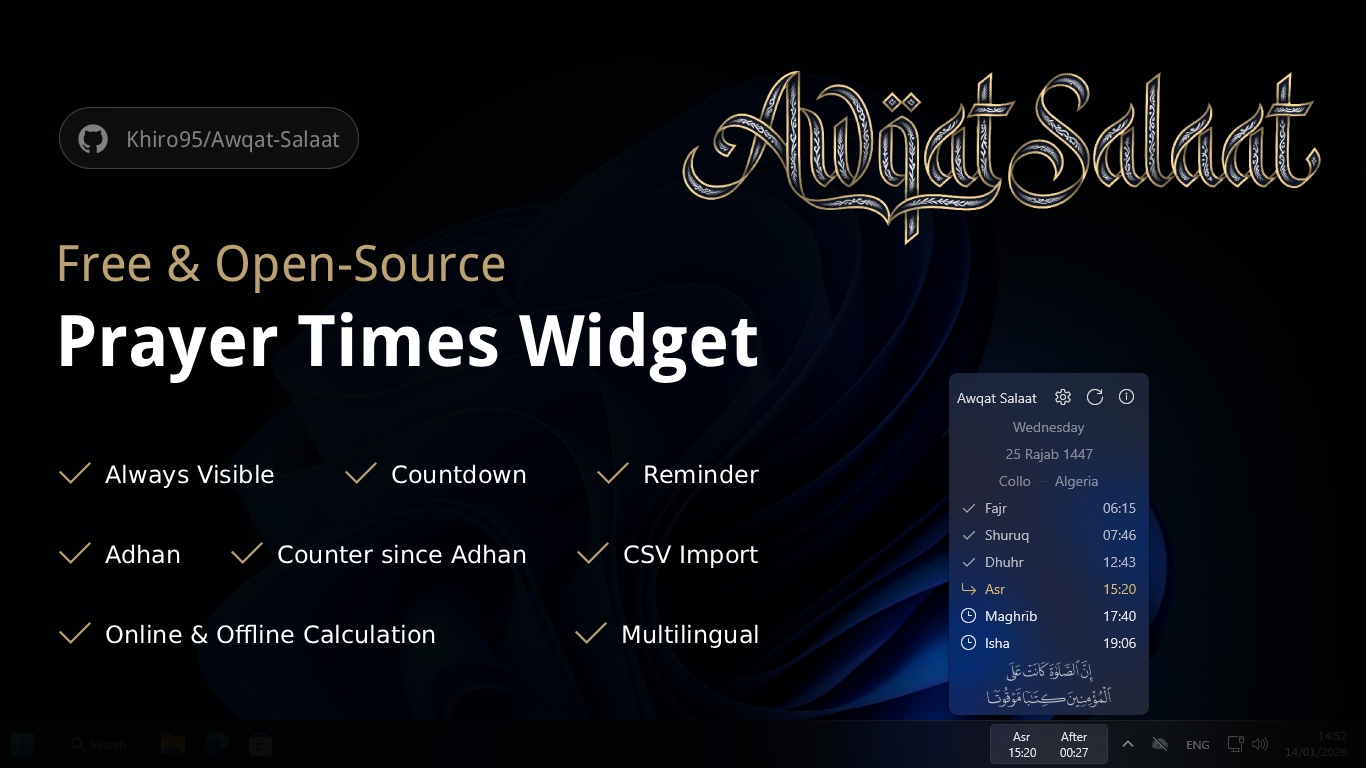
A simple Windows widget to show the time of the next prayer alongside a countdown on the taskbar.
Flutter makes it easy and fast to build beautiful apps for mobile and beyond
f.k.a. Awesome ChatGPT Prompts. Share, discover, and collect prompts from the community. Free and open source — self-host for your organization with complete privacy.
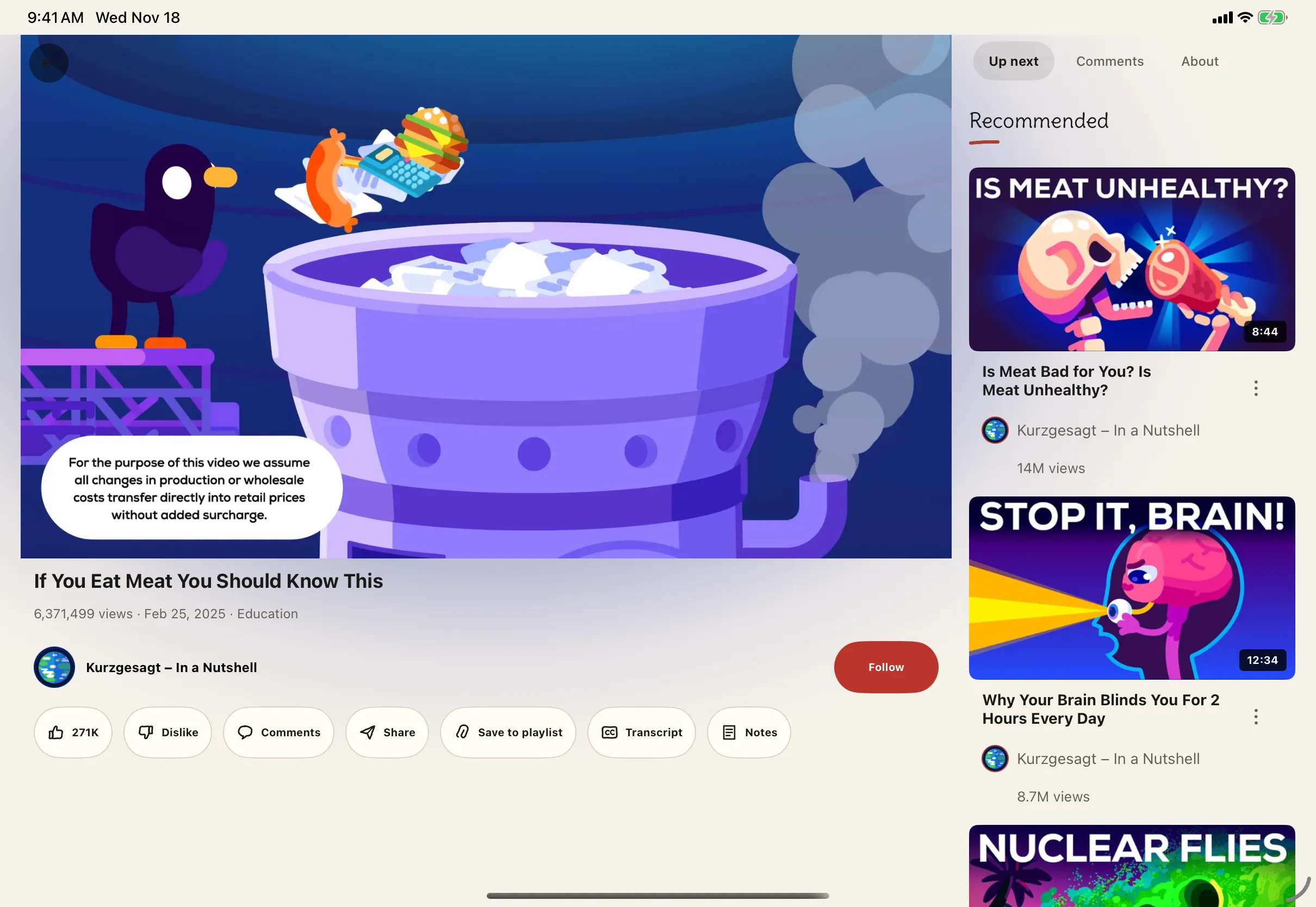
Filter & Control Anything on YouTube or YouTube Kids

This is a tutorial of Object Detection for those who wants get started with Machine Learning
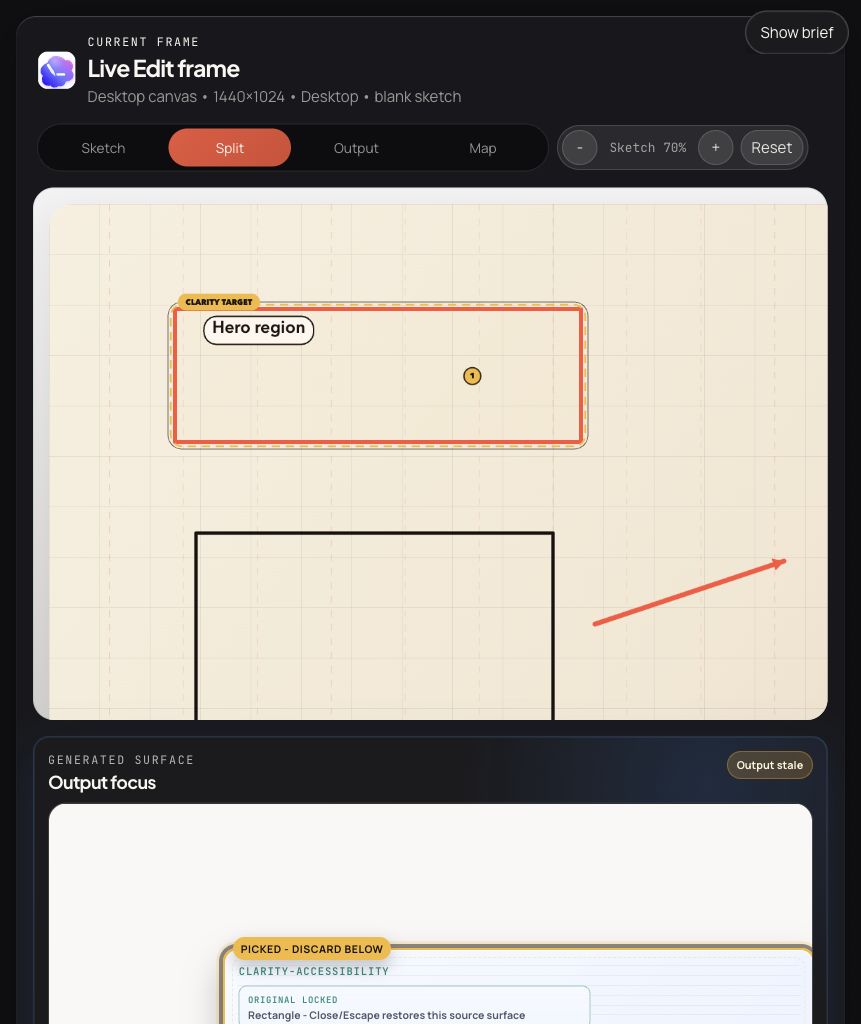
Sketch companion for Codex with a canvas and voice based desing edits


