pytorch-3dunet
3D U-Net model for volumetric semantic segmentation written in pytorch
- 2.4k
- Jupyter Notebook
- MIT
- 4 wk ago
3D U-Net model for volumetric semantic segmentation written in pytorch
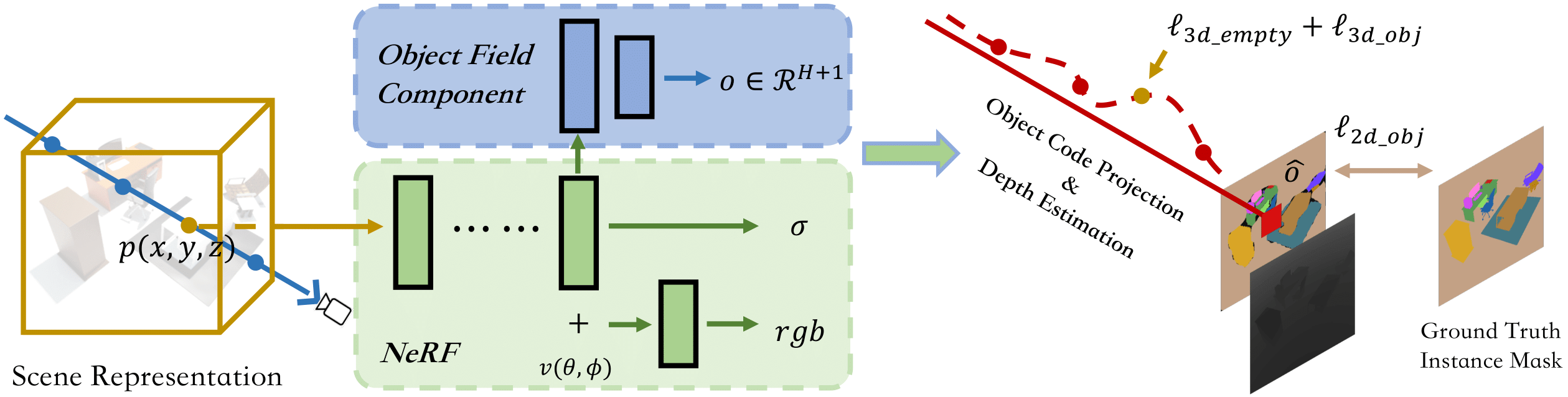
Segment Anything in 3D with NeRFs (NeurIPS 2023 & IJCV 2025)
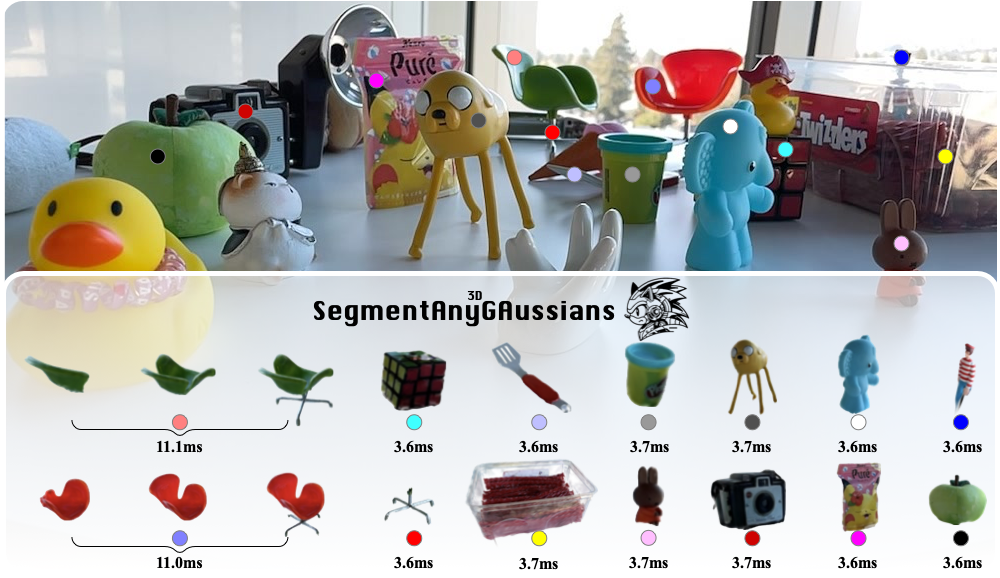
The official implementation of Segment Any 3D GAussians (AAAI-25)
[MICCAI 2019 Young Scientist Award] [MedIA Best Paper Award] Models Genesis: self-supervised pre-training for 3D medical images. Learns transferable representations from unlabeled CT and MRI volumes, then fine-tunes for downstream segmentation and classification. Keras and PyTorch weights included.
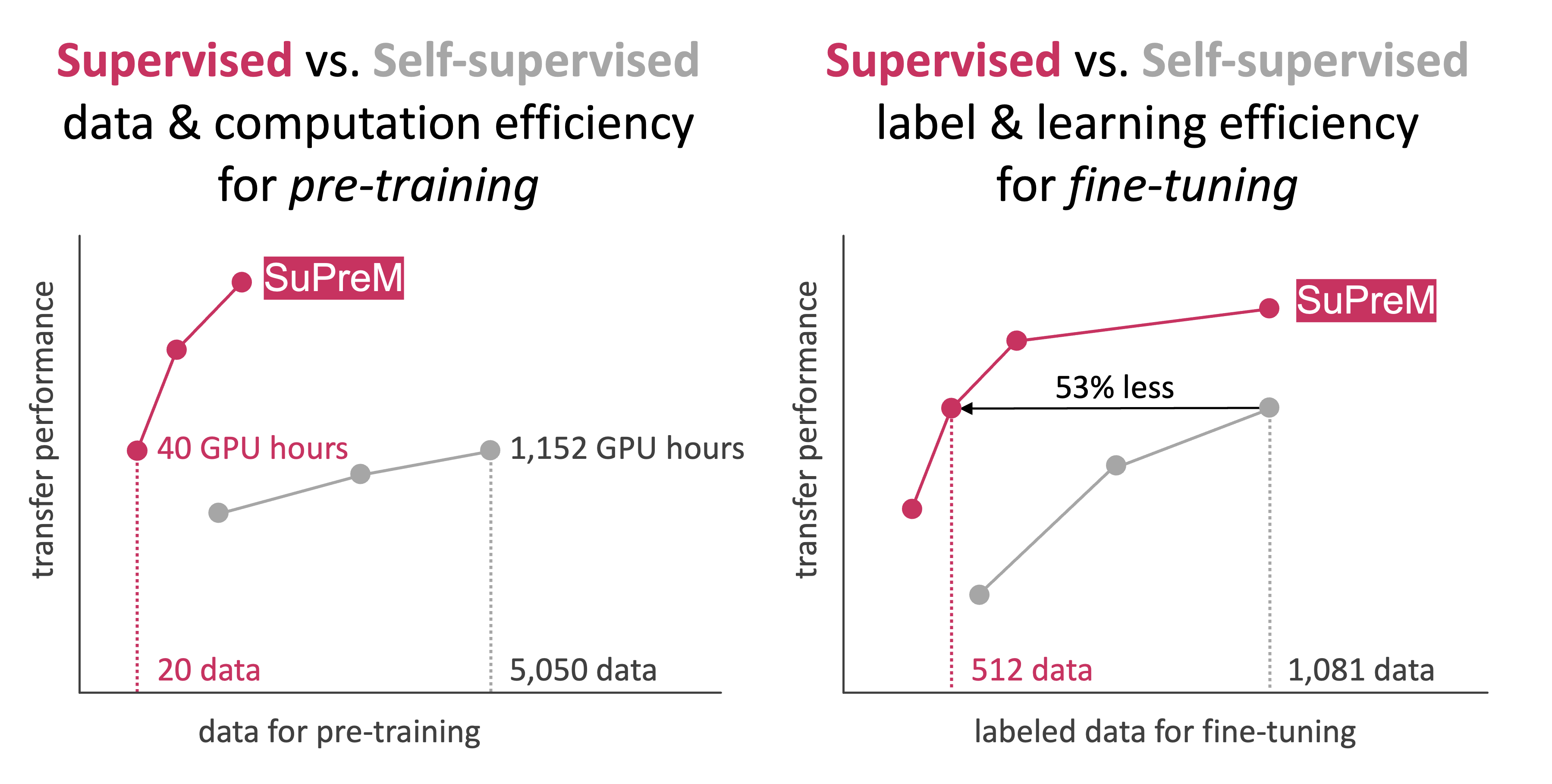
[ICLR 2024 oral; top 1.2%] Supervised Pre-Trained 3D Models for Medical Image Analysis (9,262 CT volumes + 25 annotated classes)
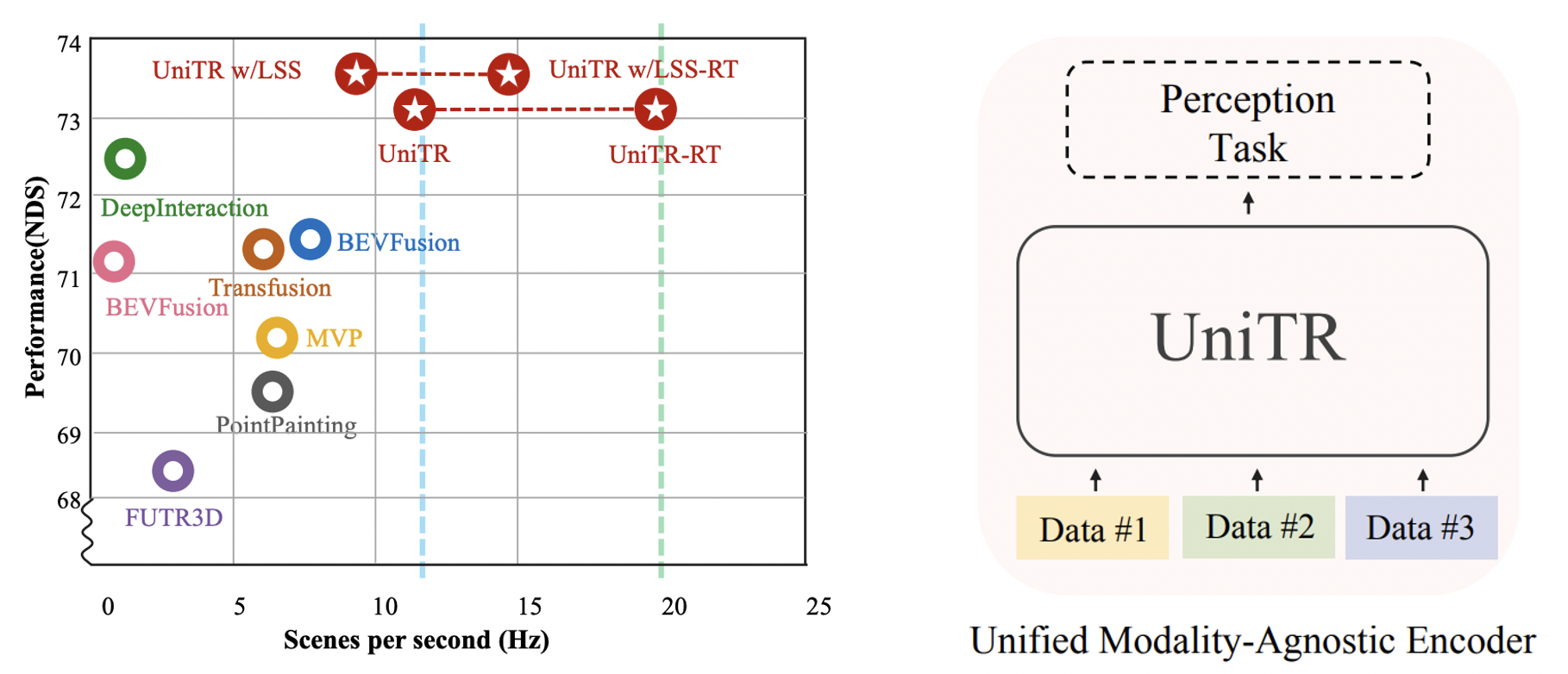
[ICCV2023] Official Implementation of "UniTR: A Unified and Efficient Multi-Modal Transformer for Bird’s-Eye-View Representation"
MOOSE (Multi-organ objective segmentation) a data-centric AI solution that generates multilabel organ segmentations to facilitate systemic TB whole-person research.The pipeline is based on nn-UNet and has the capability to segment 120 unique tissue classes from a whole-body 18F-FDG PET/CT image.
[WACV 2024] Beyond Self-Attention: Deformable Large Kernel Attention for Medical Image Segmentation
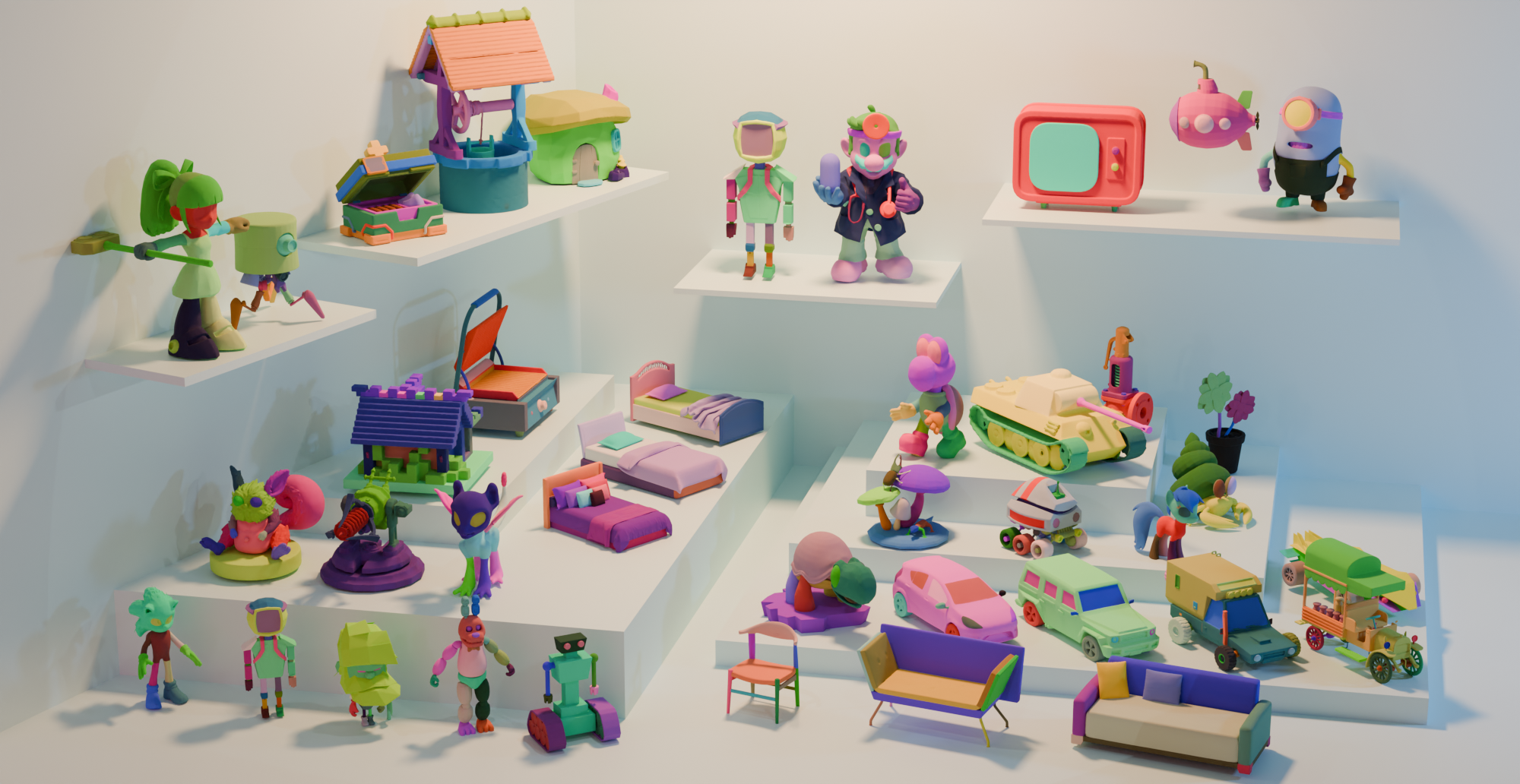
[SIGGRAPH 2026 Journal] SegviGen: Repurposing 3D Generative Model for Part Segmentation
点云分割论文2017 Fast segmentation of 3d point clouds: A paradigm on lidar data for autonomous vehicle applications
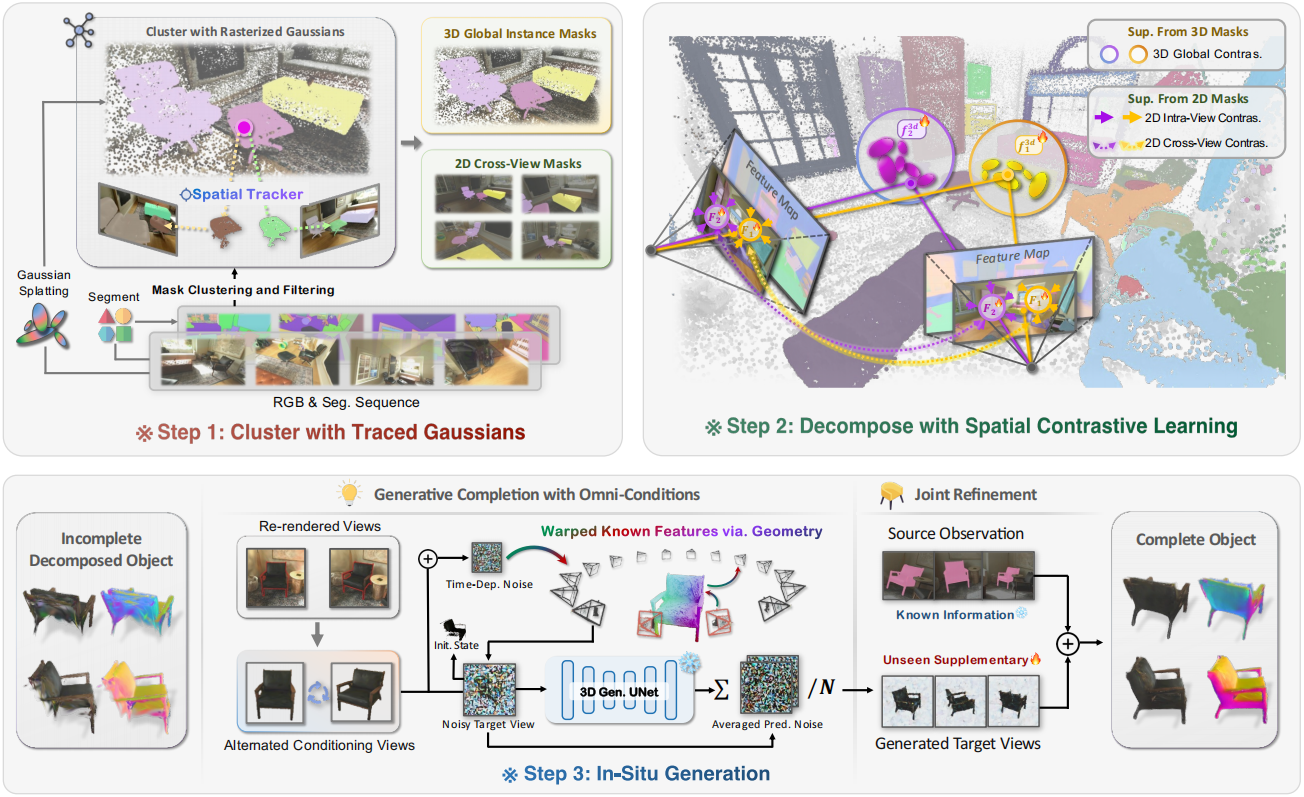
[ICCV 2025] InstaScene: Towards Complete 3D Instance Decomposition and Reconstruction from Cluttered Scenes
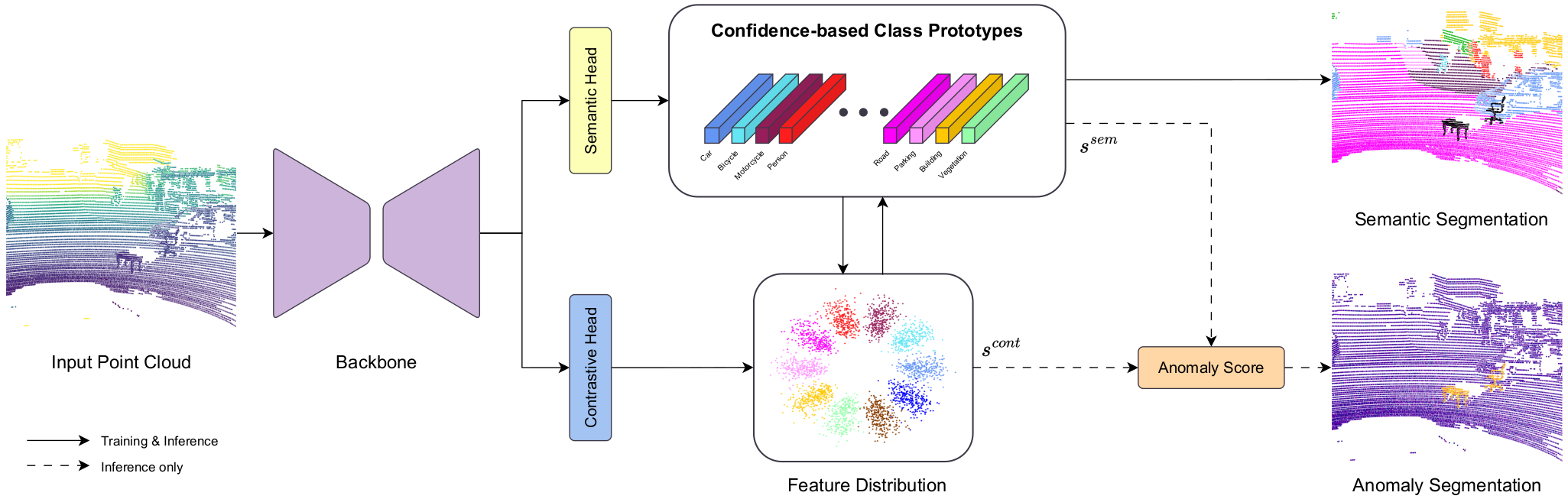
[CVPR 2026] Learning to Identify Out-of-Distribution Objects for 3D LiDAR Anomaly Segmentation
[ICPR 2020] PS2-Net: A Locally and Globally Aware Network for Point-Based Semantic Segmentation
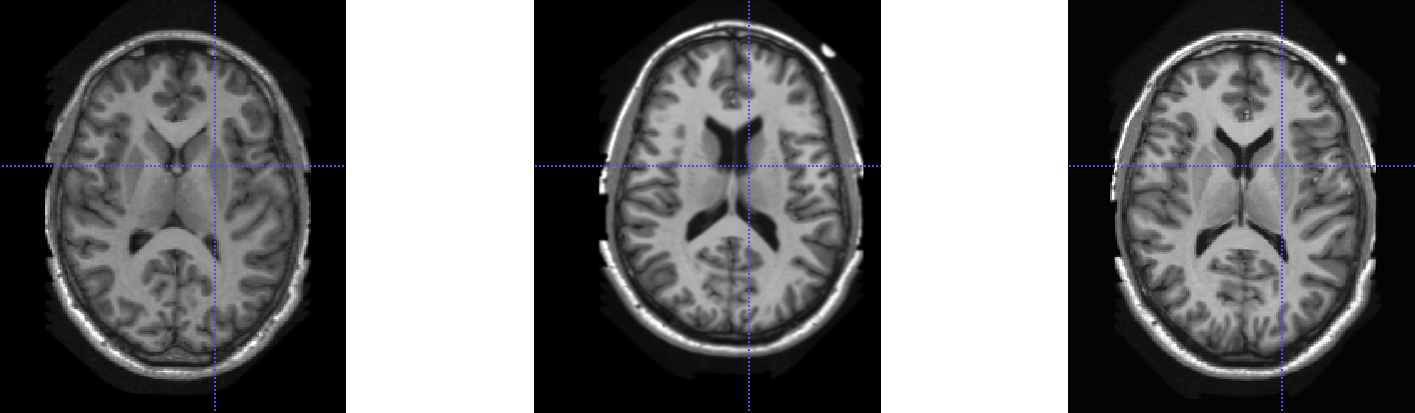
Fully supervised, multi-class 3D brain segmentation in T1 MRI, using atlas-based segmentation algorithms (label propagation, tissue models, Expectation-Maximization algorithm).
Fully supervised, multi-class 3D brain segmentation in T1 MRI using an ensemble of diverse CNN architectures (3D FCN, 3D U-Net) with multi-scale input.
🧠 Implement U-Net in PyTorch for effective binary image segmentation, focusing on brain tumor detection with a complete pipeline from data prep to evaluation.