birdnet-go
Self-hosted realtime soundscape analyser for birds, bats and other wildlife. Multi-model local AI inference, runs 24/7 on a Raspberry Pi.
- 2.5k
- Go
- 14 h ago
Microsoft AI for Good Lab biodiversity hub: project catalogue, documentation and navigation for conservation AI, SPARROW and MegaDetector.
A list of awesome open-source acoustic packages and resources.
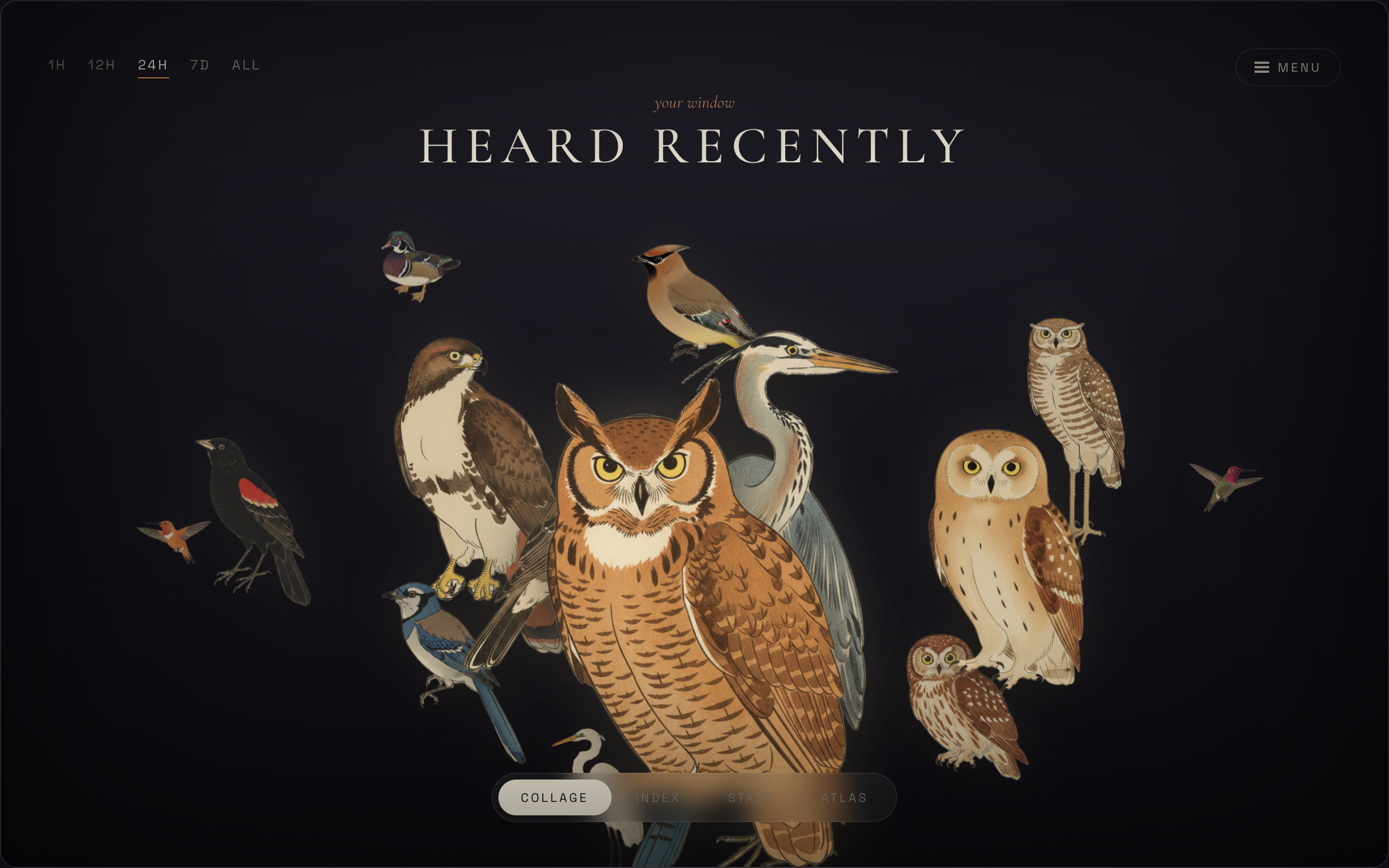
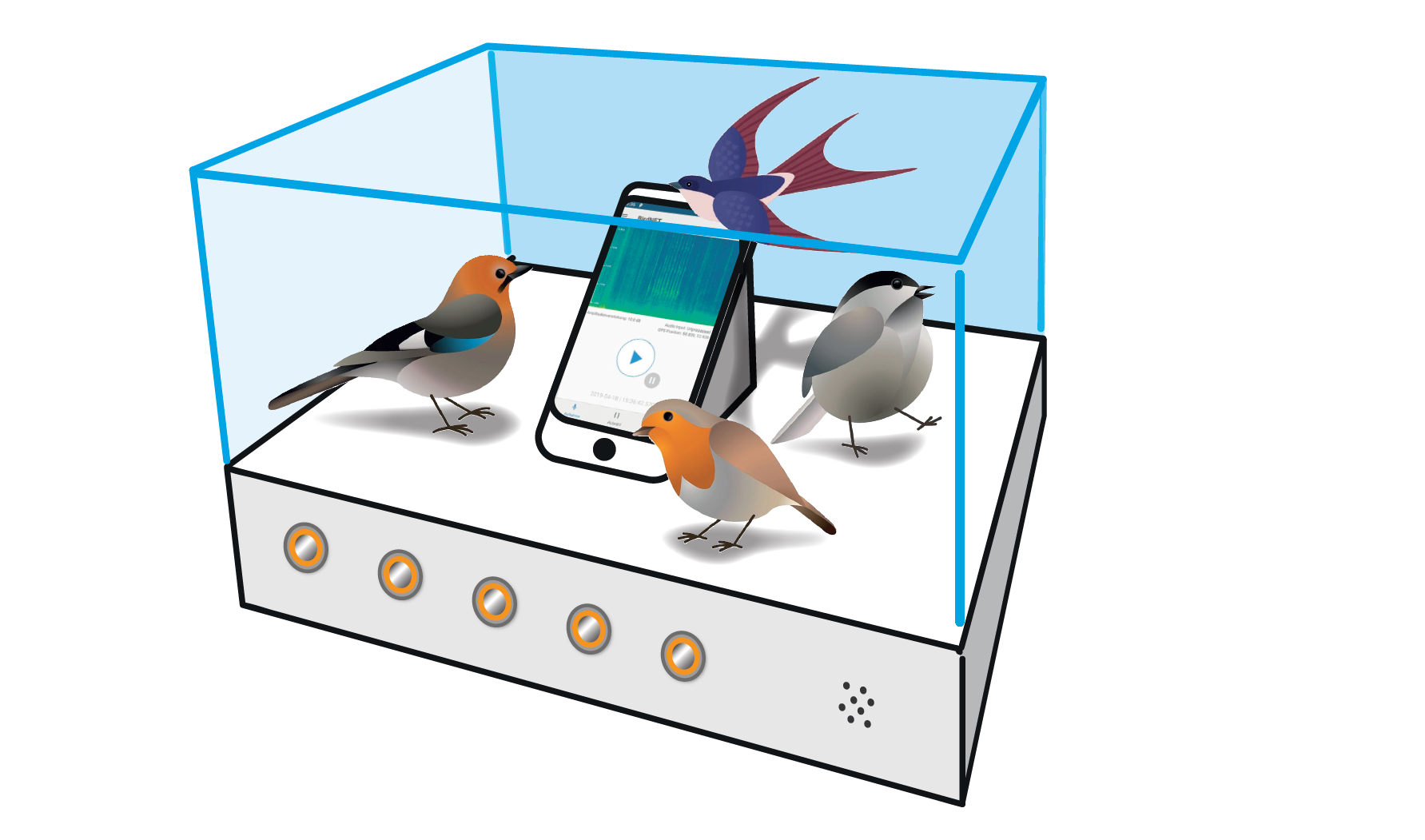
A live, hand-illustrated collage of the birds outside your window — named by ear. A standalone Belkins build of BirdNET-Pi (CC-BY-NC-SA-4.0).
Professional bioacoustics in your pocket. Built for field researchers, conservationists, and serious birders.
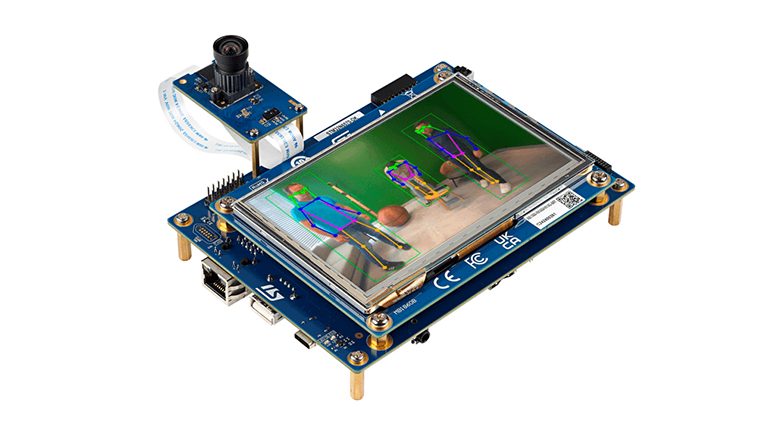
SPARROW — Solar-Powered Acoustic and Remote Recording Observation Watch. An AI-enabled edge device for biodiversity monitoring with camera-trap imaging and bioacoustic recording. By Microsoft AI for Good Lab.
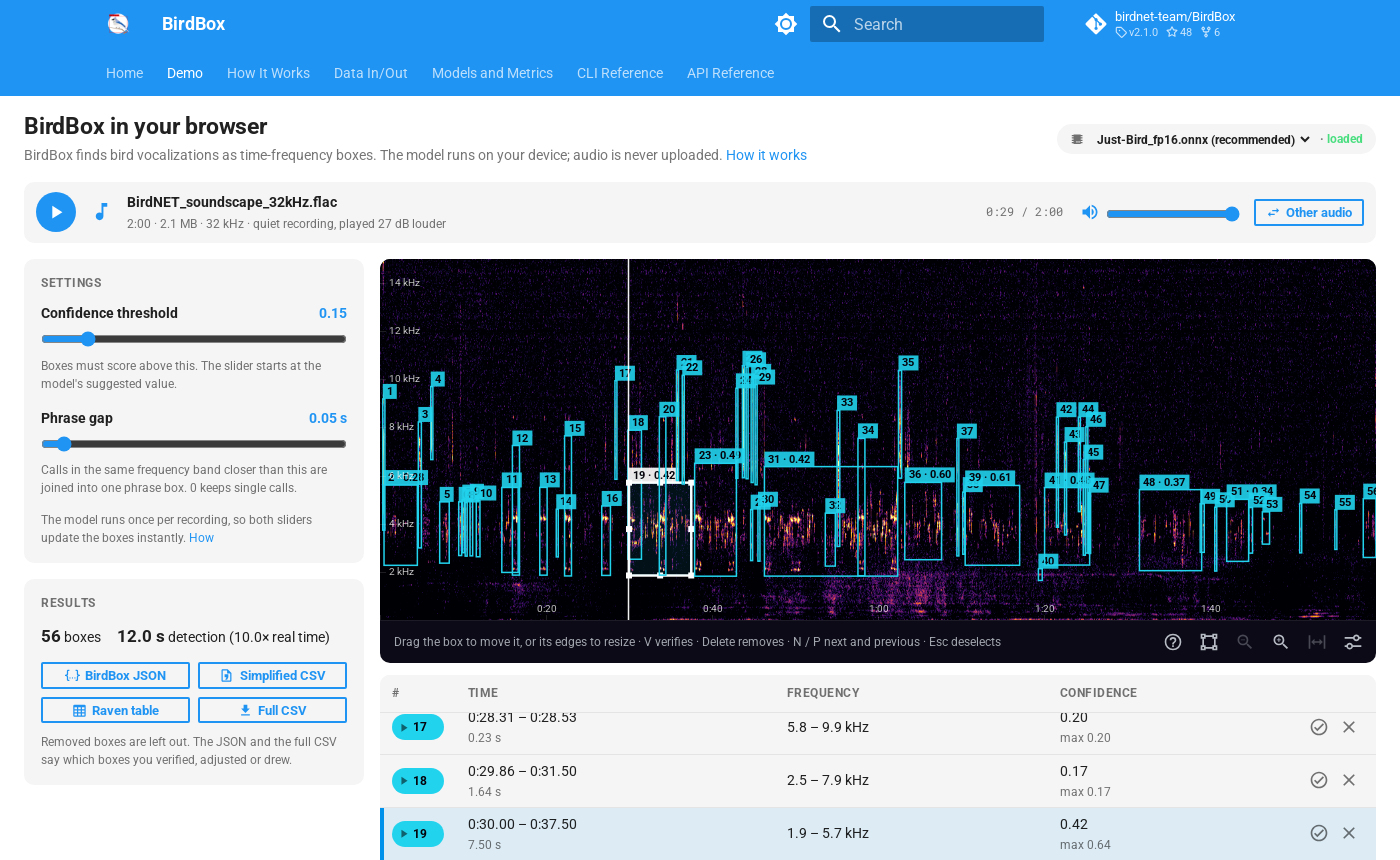
Code for detecting bird vocalizations in audio recordings using an object detection model.
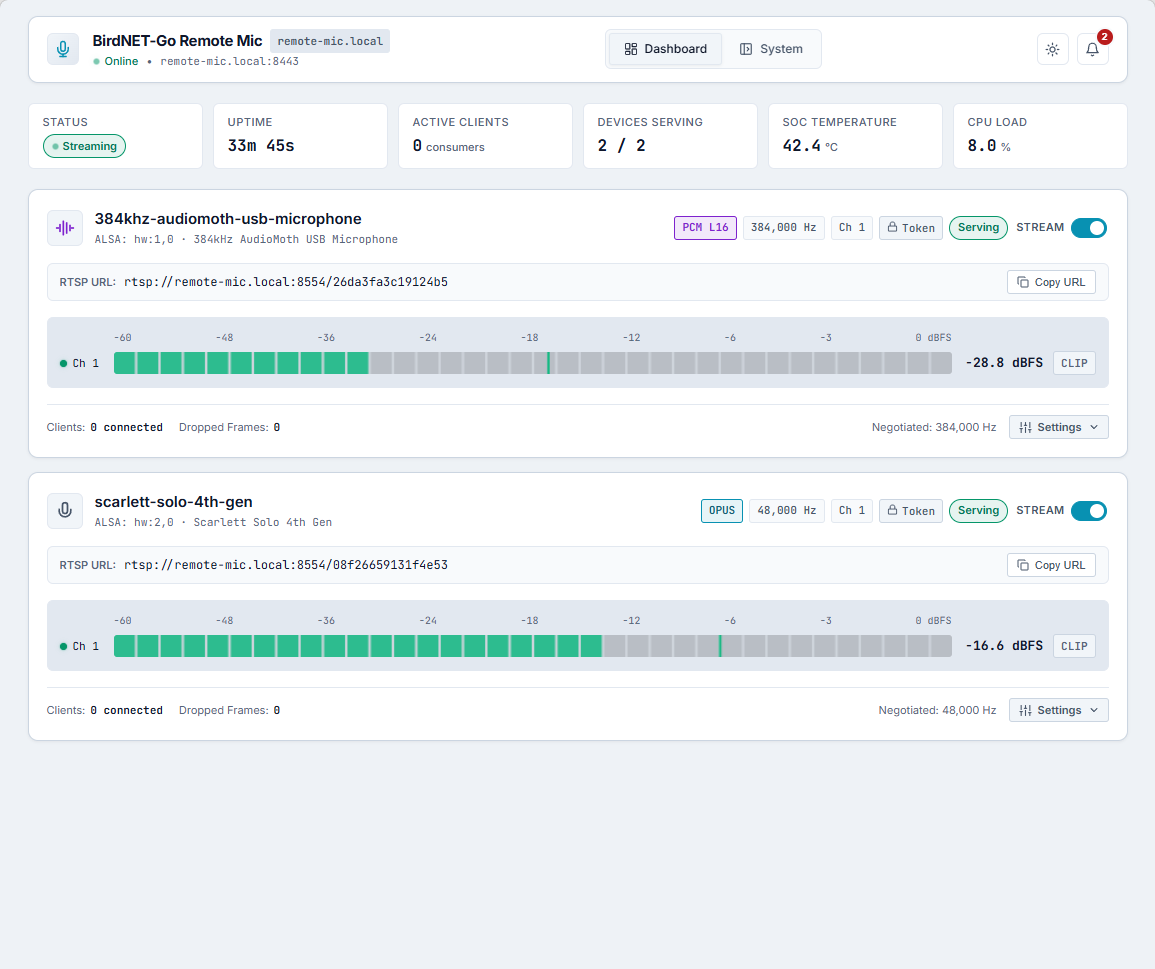
Pure-Go remote microphone appliance for BirdNET-Go: captures local audio and streams it over the LAN as RTSP/RTP, discoverable via mDNS. No ffmpeg, no media server.
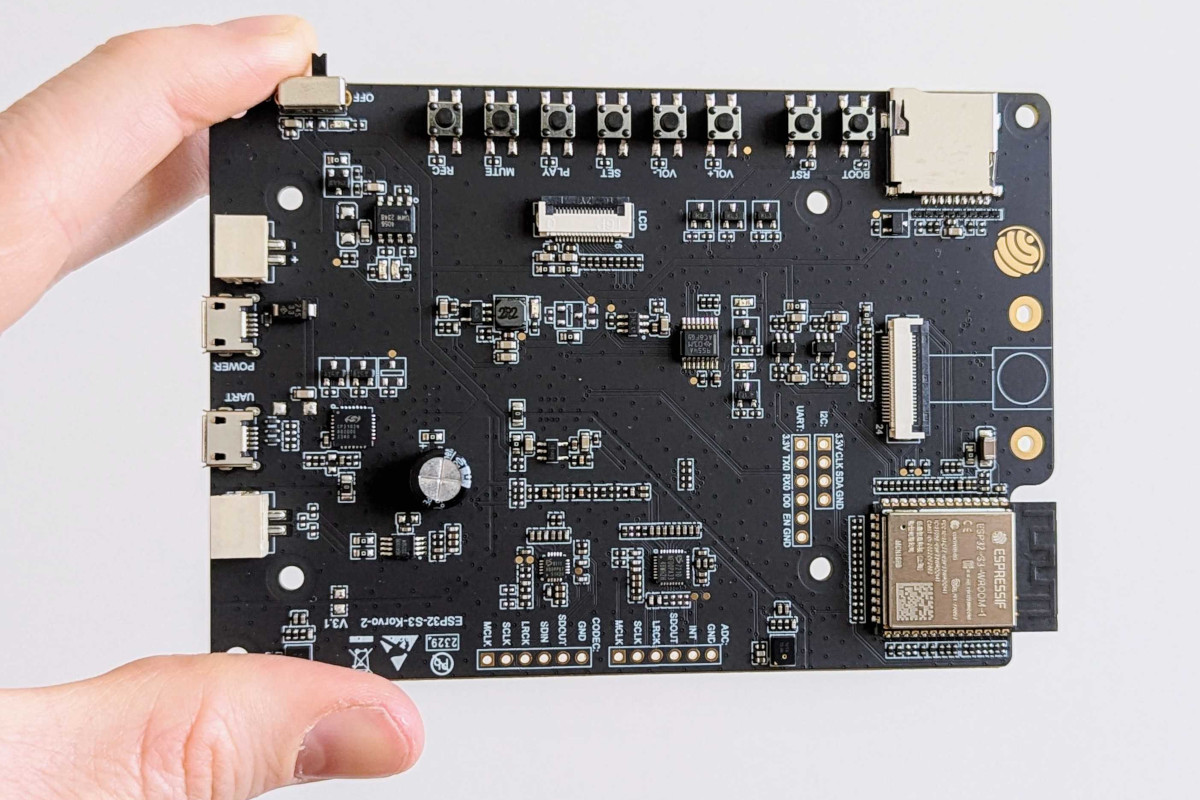
Development framework for the BioDCASE-Tiny 2025 competition
Desktop GUI for birda bird species detection — Electron + Svelte 5 interface for BirdNET-powered audio analysis, detection browsing, and species visualization
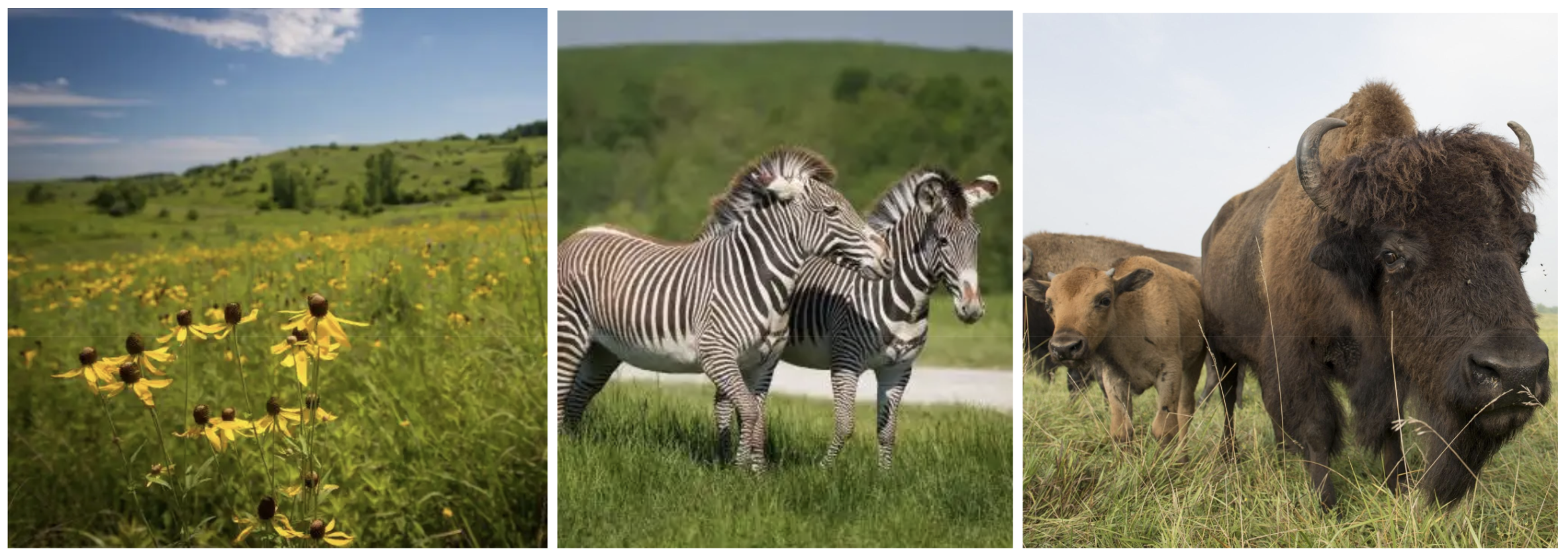
MegaDetector-Acoustic — The Microsoft open-source AI for bioacoustic biodiversity monitoring. Audio classification and species identification from sound recordings, for terrestrial bioacoustics. Maintained by Microsoft AI for Good Lab. Part of the Pytorch-Wildlife ecosystem.
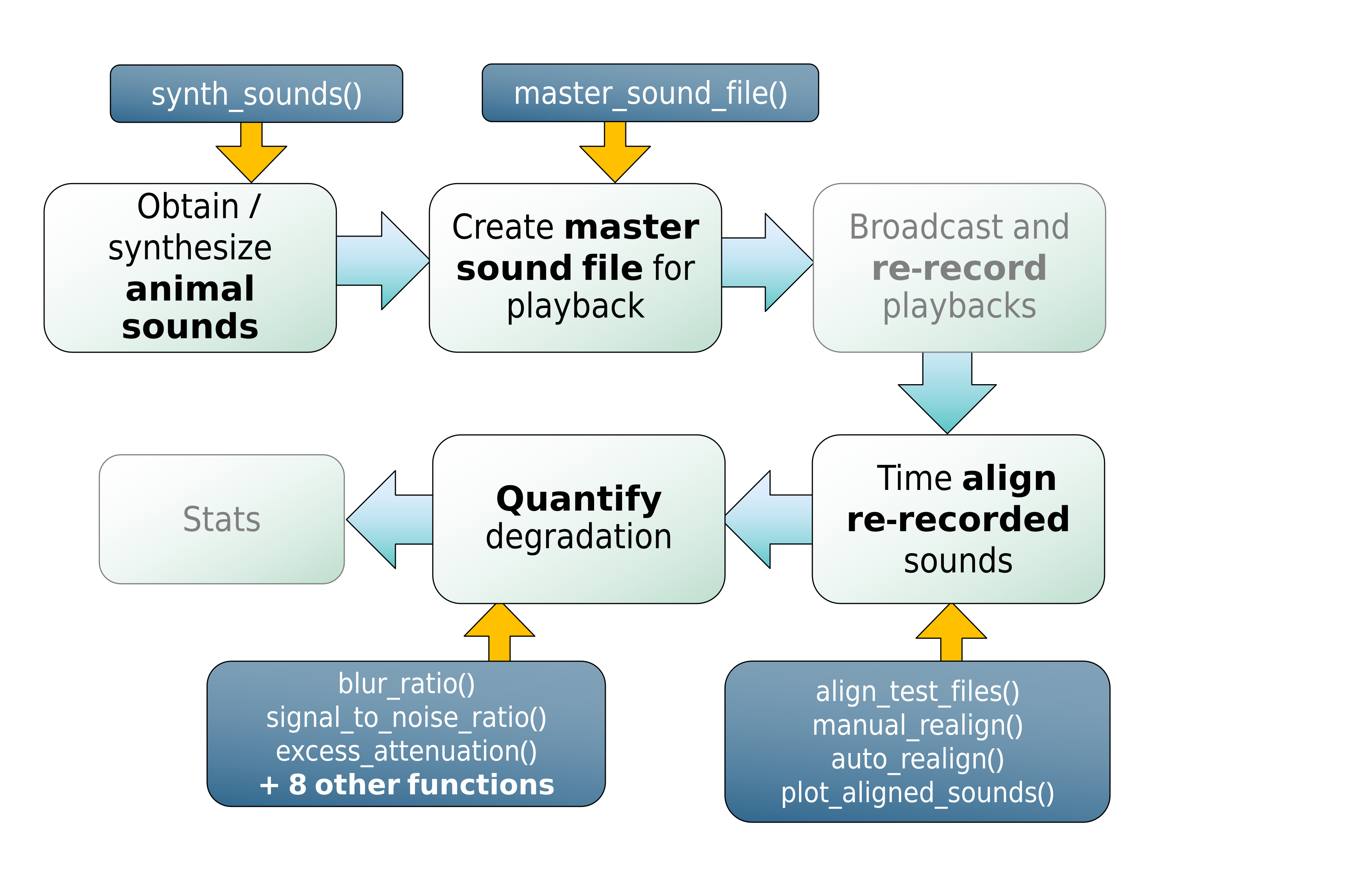
An R package to quantify habitat-induced degradation of (animal) acoustic signals
Rust library for BirdNET and Perch ONNX model inference with CUDA GPU support
Universal species metadata and translation dictionary for bioacoustics models
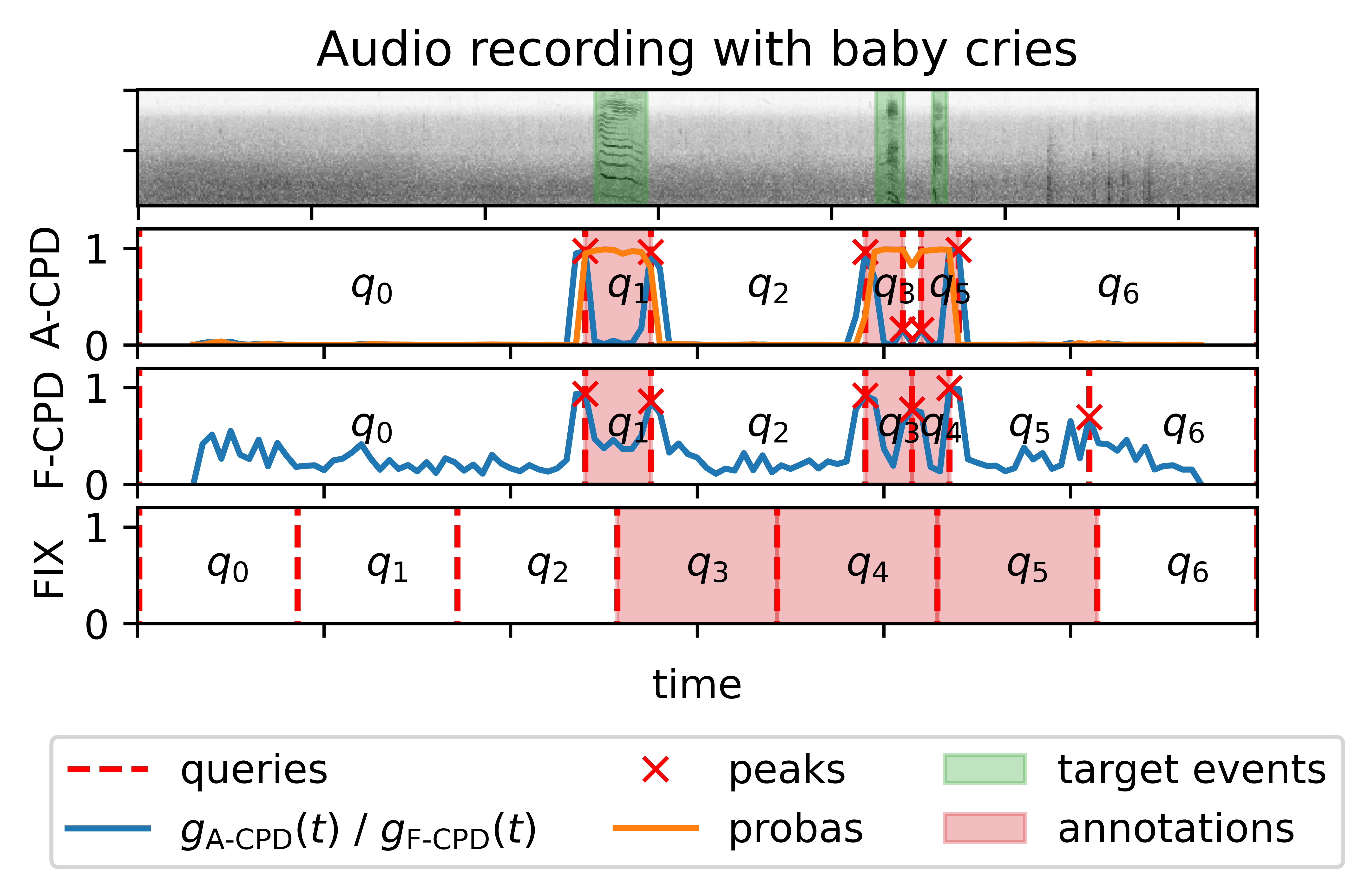
The official implementation of A-CPD from the paper "From Weak to Strong Sound Event Labels using Adaptive Change-Point Detection and Active Learning".
Development framework for the BioDCASE-Tiny 2026 competition
Geometric analysis of cetacean communication: Poincaré embeddings, TDA, SPD manifolds, and adversarial decoder robustness
A Model Context Protocol (MCP) layer for bioacoustic analysis that augments BirdNET detections with contextual reasoning, uncertainty-aware summaries, and ecologist-oriented insight extraction.
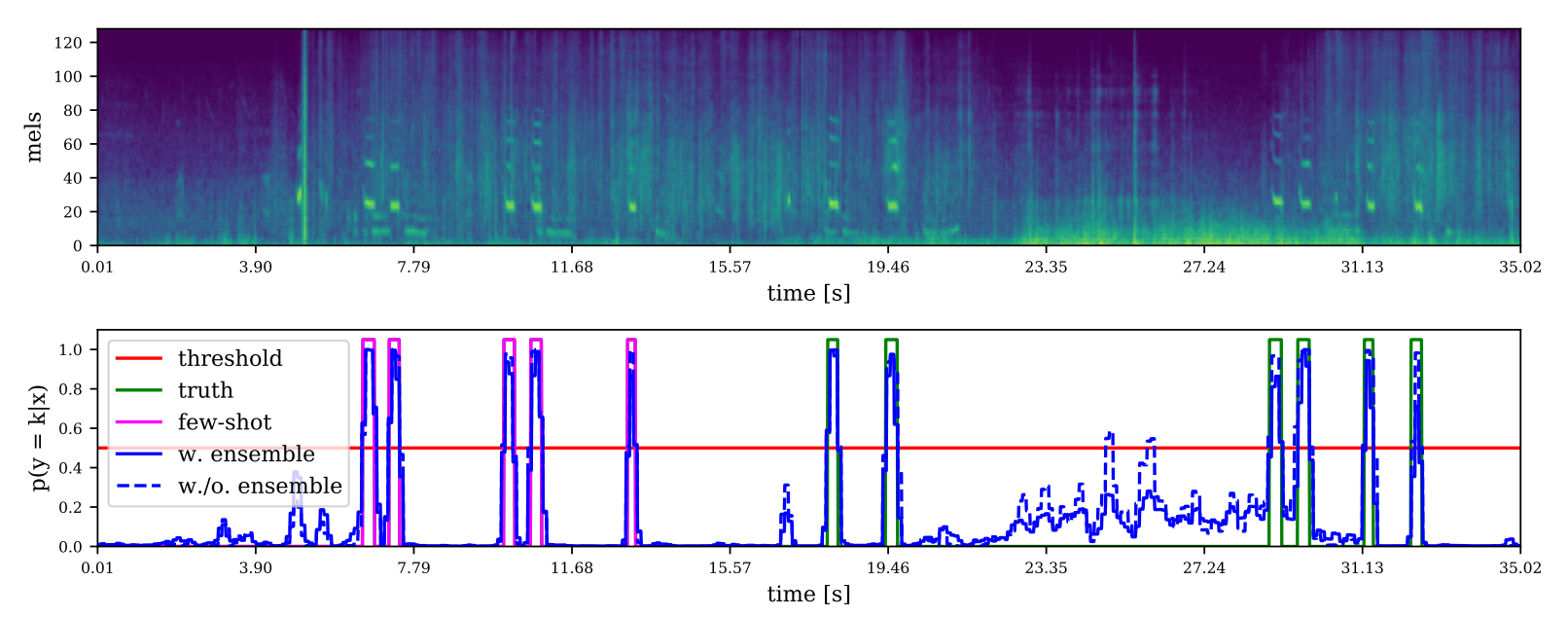
The official implementation of the method in the paper "Few-shot bioacoustic event detection using an event-length adapted ensemble of prototypical networks"