kimi-linear
An optimized implementation of the Kimi Linear architecture - a hybrid linear attention mechanism outperforming traditional full attention.
- 8
- Python
- MIT
- 5 mo ago
A comprehensive toolkit for developing and benchmarking compression algorithms specifically designed for neural data streams in brain-computer interfaces (BCIs). This project provides efficient, real-time compression solutions that preserve the critical characteristics
This project demonstrates a comprehensive machine learning pipeline with examples of supervised, unsupervised, and semi-supervised learning approaches. It serves as a template and learning resource for ML practitioners.
(NeurIPS 2025), Compact CNNs for EEG decoding: response time prediction and behavioral assessment using competition starter kit infrastructure with custom normalization and training strategies using the Healthy Brain Network (HBN) EEG dataset
QuantumForge is an open-source framework that revolutionizes quantum chemistry calculations by combining the power of GPU acceleration, deep learning, and density functional theory. Built for researchers who demand both accuracy and performance.
A project to build GPU acceleration for LLaMA models on local computers and AWS, leveraging GPU resources for efficient inference and training.
This repository contains experimental quantum computing algorithms and simulations for cutting-edge research applications including medical genomics, cosmology, and quantum machine learning.
Lightweight, extensible Brownian dynamics toolkit for nanoparticles and proto-nanorobotics NanoSimLab provides accessible tools for simulating and analyzing nanoparticle systems using Brownian dynamics, with a focus on nanorobotics research and development. The toolkit runs out-of-the-box with NumPy/SciPy and offers seamless integration.
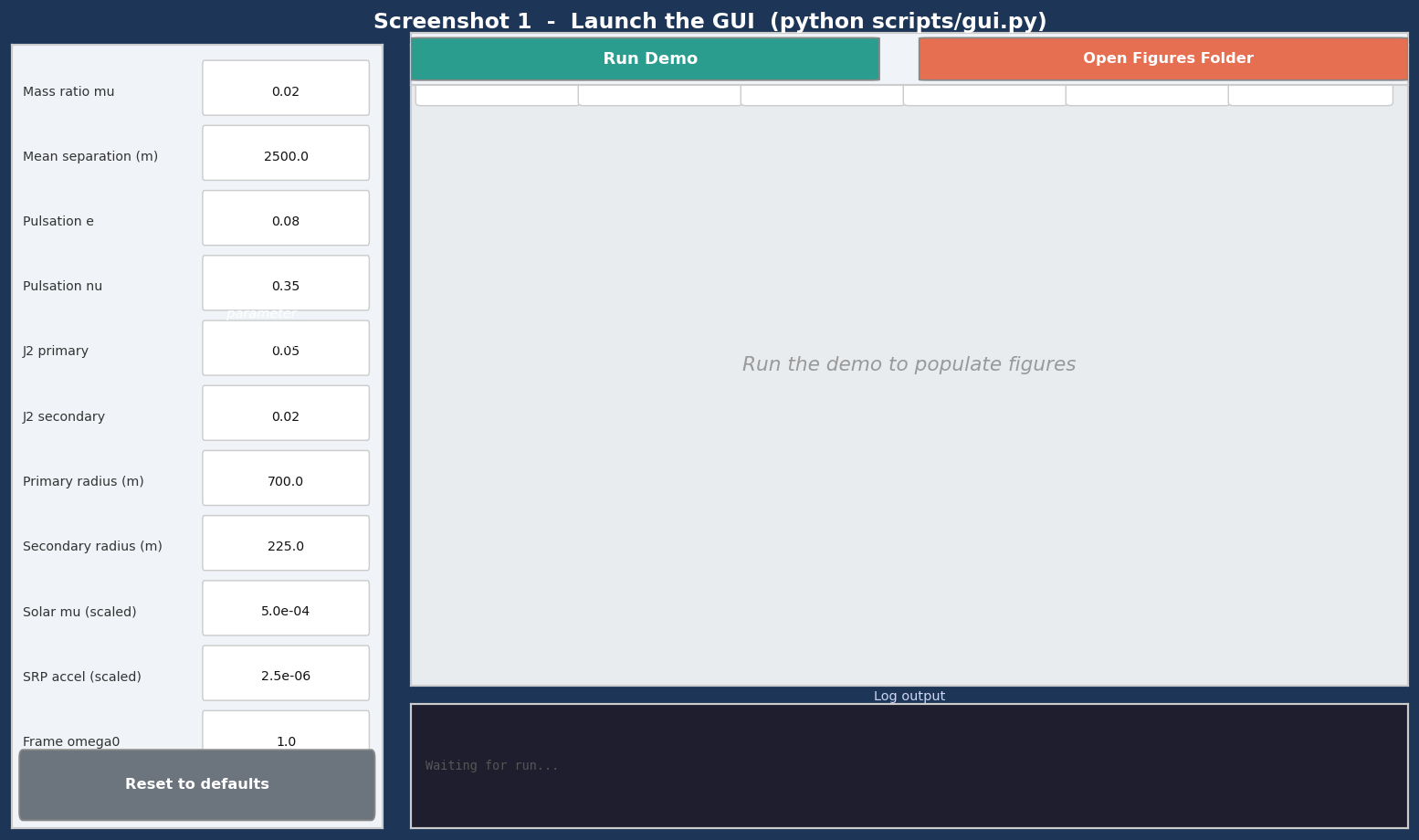
Python project to experiment with bounded spacecraft motion near the binary asteroid system Moshup-Squannit (1999 KW4), inspired by RF3BP pulsating-rotating formulations.
AdaAttn is a GPU-native attention mechanism that dynamically adapts both numerical precision and matrix rank at runtime, reducing memory bandwidth and computational overhead in large language models without sacrificing model quality. By aligning linear algebra operations with modern GPU hardware characteristics.
A comprehensive Python-based simulation environment for First Lego League competitions, featuring realistic robot physics, interactive game maps, and mission scenarios.
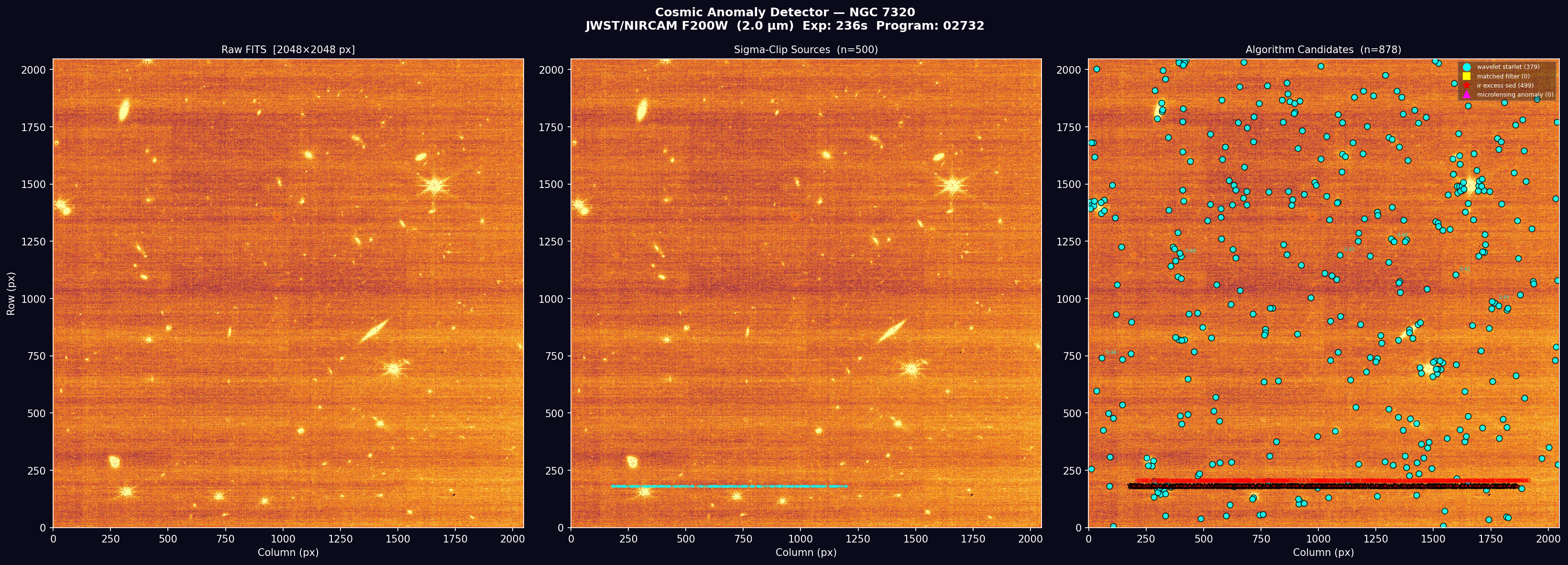
An AI-powered system for analyzing James Webb Space Telescope images to identify artificial structures, Dyson spheres, and objects that don't follow standard gravitational rules - potential indicators of intelligent extraterrestrial life.
A specialized compression and interface layer that enables Apple's BCI HID technology to work more efficiently with existing BCI compression algorithms, focusing on low latency and high signal quality.
An intelligent research assistant powered by LangChain and Claude that helps neuroscience researchers query neural datasets, generate summaries, and plan experiments.
Robust, open-source pipeline to detect actionable mental states from EEG (consumer and research-grade). Train SOTA models (EEGNet, Shallow/Deep ConvNets, lightweight Transformers), leverage self-supervised pretraining, and run real-time
This project provides Python scripts for visualizing temperature and earthquake data using matplotlib, pandas, and numpy. It includes tools for data conversion, plotting, and basic testing, aimed at scientific analysis and educational use.
The Bionic Arm Project is an ambitious open-source initiative to develop an advanced prosthetic limb system controlled directly by brain signals through a Brain-Computer Interface (BCI). Designed primarily for veterans and individuals with upper limb loss, this project aims to restore natural, intuitive arm and hand function.
A comprehensive, GPU-accelerated toolkit for integrating and visualizing large-scale fly brain imaging data in 3D, designed to democratize access to advanced brain mapping tools for fly brain researchers and neuroscientists worldwide.
Open models and mission trades for laser ablation and laser-induced disruption of small bodies