EquiBind
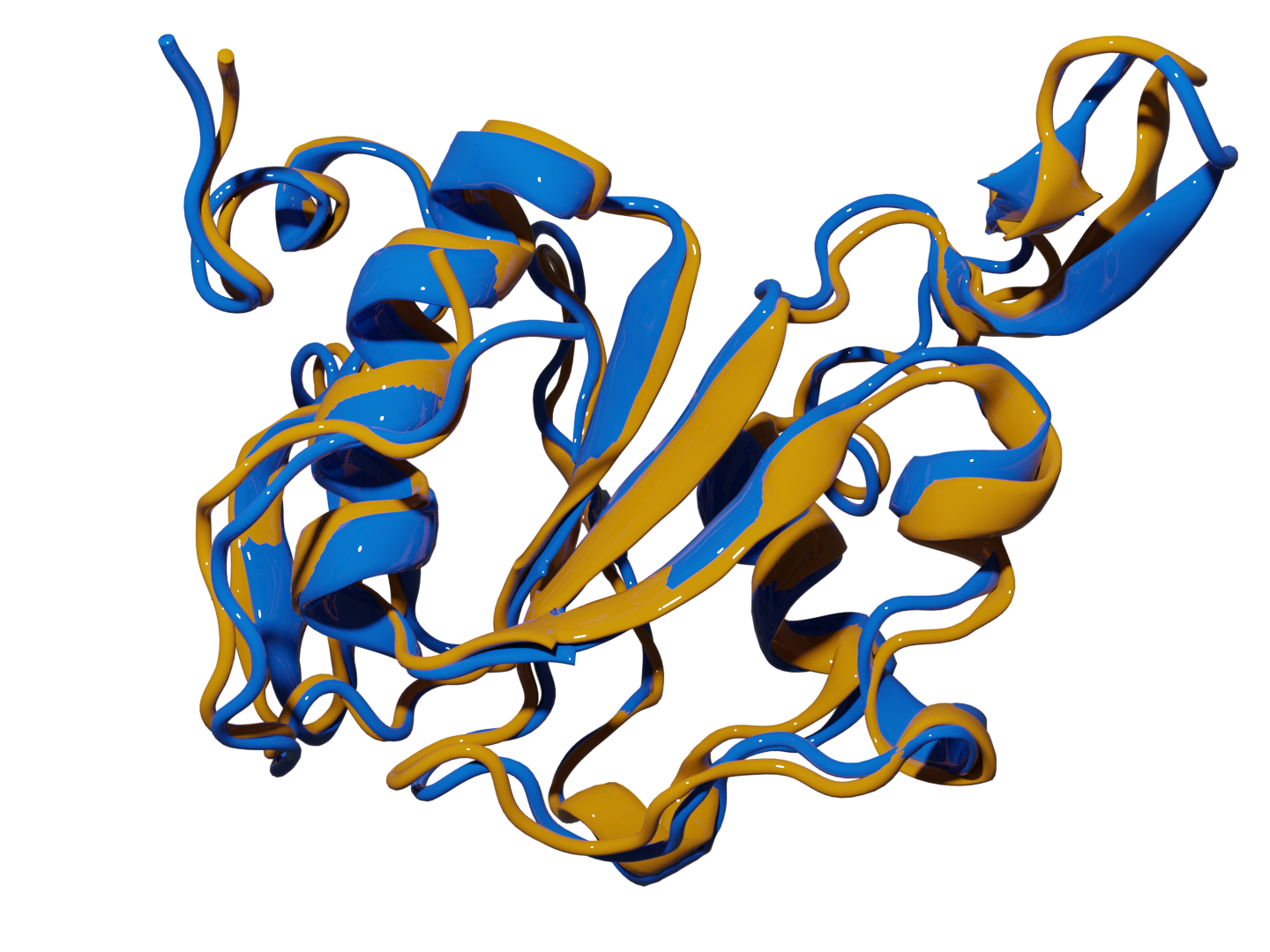
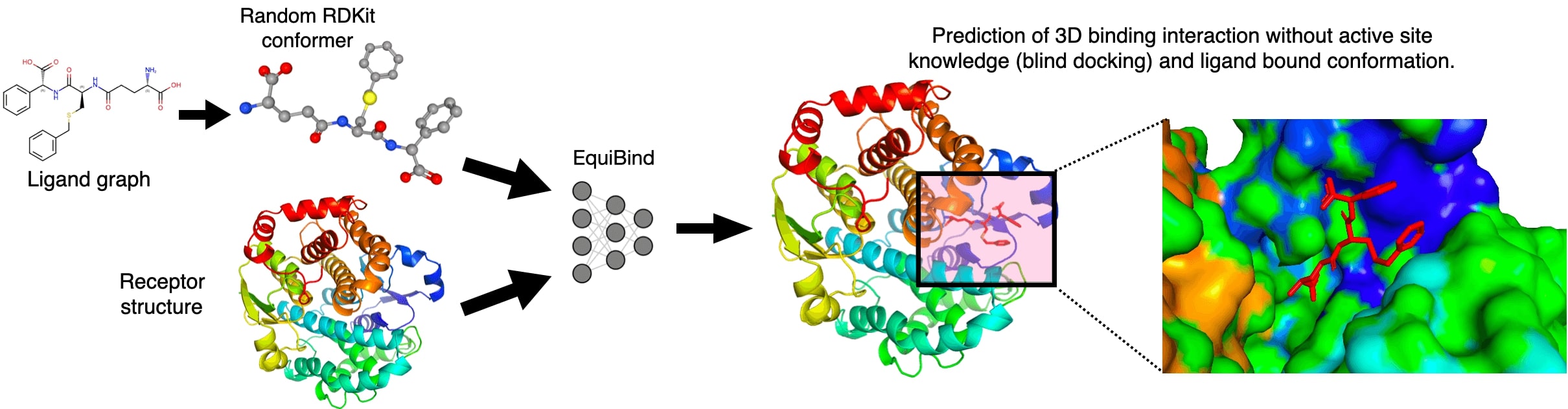
EquiBind: geometric deep learning for fast predictions of the 3D structure in which a small molecule binds to a protein
- 556
- Python
- MIT
- 21 mo ago
EquiBind: geometric deep learning for fast predictions of the 3D structure in which a small molecule binds to a protein
P2Rank: Protein-ligand binding site prediction from protein structure based on machine learning.
Learning Universal Representations of Intermolecular Interactions with ATOMICA
A collection of resources for Deep Learning in Python for Life Sciences (with focus on biotech and pharma).
Detailed nutritional values for 542 key foods in India, based on direct measurements across six regions.
A structure-based, alignment-free embedding approach for proteins. Can be used as input to machine learning algorithms.
Pipeline to generate Proximity Network Assay data with Pixelator (Pixelgen Technologies AB)
This implementation is an alternative that provides full control over how the graphics of a Sequence Logo should look like, and is an alternative to an application called WebLogo. All the inner workings of this open source application are written in native javascript. The application is independent of the internet once it is saved as a html file.
This highly responsive VB6 application is an implementation of the global sequence alignment algorithm. It allows the modification of the alignment parameters (match, mismatch, gap), and it shows the pairwise alignment as well as the score matrix in real time. The purpose of it is to seeks the optimal alignment between two text sequences.
This JavaScript implementation detects the areas where two DNA/RNA/protein sequences are similar to each other. All symbols from UTF-8 are accepted by this algorithm.
When do biological reasoning models use their biological inputs? Strong benchmark performance can create a mirage of reliance on biological foundation model representations, even when those representations contribute little to task performance.
Sequence Logo - relative style with axes is an alternative that provides full control over how the graphics of a Sequence Logo should look like. All the inner workings of this open source application are written in native javascript. The application is independent of the internet once it is saved as a html file.
This implementation makes a global alignment between two strings and it demonstrates the use of the global alignment algorithm.
Sequence Logos using logarithms is an alternative that provides full control over how the graphics of a Sequence Logo should look like. All the inner workings of this open source application are written in native javascript. The application is independent of the internet once it is saved as a html file.
Sequence Logo - block style with axes (native Java Script) is an alternative that provides full control over how the graphics of a Sequence Logo should look like. All the inner workings of this open source application are written in native javascript. The application is independent of the internet.
Sequence Logos based on maximum values is an alternative that provides full control over how the graphics of a Sequence Logo should look like. All the inner workings of this open source application are written in native javascript. The application is independent of the internet.
Ordered Sequence Logo based on existing matrices is an alternative that provides full control over how the graphics of a Sequence Logo should look like. All the inner workings of this open source application are written in native javascript. The application is independent of the internet once it is saved as html.
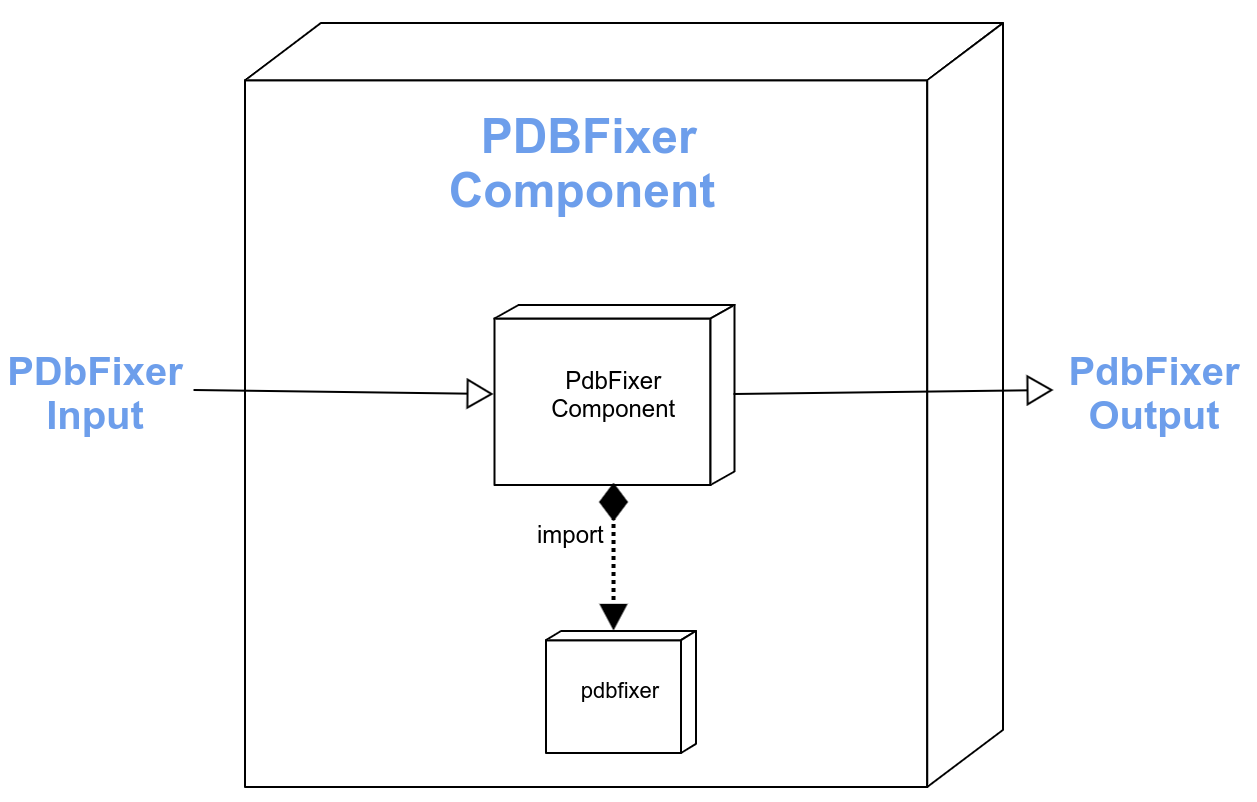
MMIC for extracting and fixing PDB files converted to MMSchema molecules