jitsi-meet
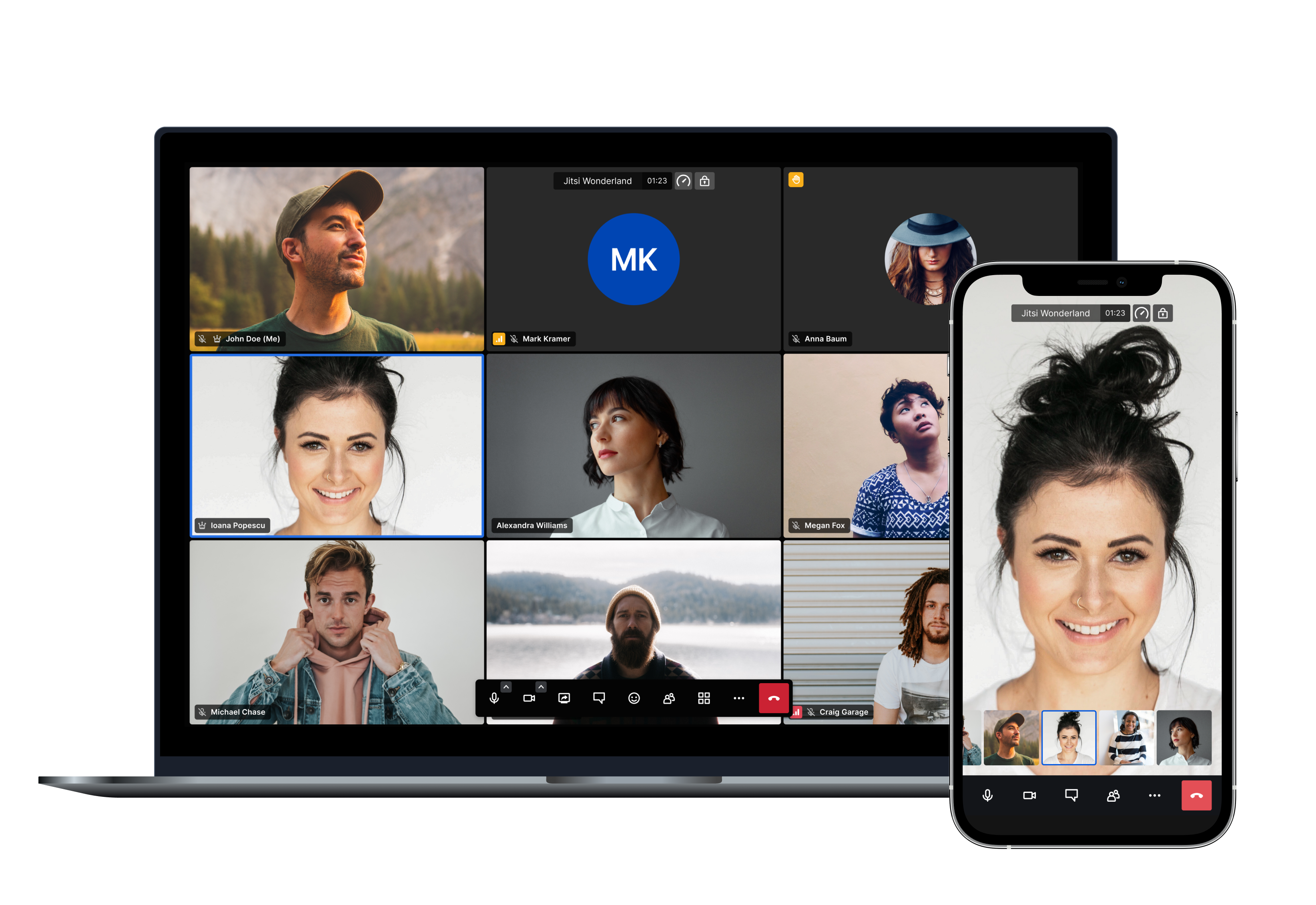
Jitsi Meet - Secure, Simple and Scalable Video Conferences that you use as a standalone app or embed in your web application.
- 30k
- TypeScript
- Apache-2.0
- 2 d ago
future-proof debian package tooling and build recipes 📦
Repo SFTtech/debmagic, read from GitHub 4 h ago. SFTtech has not joined Take My Repo.
SFTtech/debmagic is a public repo on GitHub by SFTtech. future-proof debian package tooling and build recipes 📦. It declares no license on GitHub. Public does not mean open source: without a license, nobody is granted the right to reuse it. It is written mainly in Rust, has 13 stars and last changed on 2026-11-22. Nobody has reviewed it on Take My Repo yet, which says nothing about its quality. Read from GitHub on 2026-11-22.

Modern, robust & easy Debian/Ubuntu packaging - while staying backwards compatible.
Debmagic unifies the the packaging experience as a single, streamlined tool. Additionally, debmagic-pkg allows you to define package build recipes in Python.
debmagic build binary builds a debian/-packaged source tree in a temporary container (using LXD, Incus, Docker)--persistent/--incremental reuse the environment and sync only source changes; a failed build prints debmagic env shell <id>debmagic test runs the package's autopkgtest tests in a fresh environment, debmagic sign GPG-signs .changes/.dsc/.buildinfo on the hostdebian/rules Makefiles with typed Python debian/rules.py, with optional dh compatibilitycd your-package # any source tree with a debian/ directory uvx debmagic build binary --driver docker
Tip
debmagic --help lists everything.
| Command | Goal |
|---|---|
debmagic build binary |
Build a binary package (.deb) in an isolated environment |
debmagic build source |
Create a source package (.dsc) for upload (incl signing) |
debmagic test |
Run the package's autopkgtest tests (debian/tests/) against a prior build |
debmagic env |
List, clean, or open a shell in a build or test environment |
debmagic sign |
GPG-sign a .changes file (and its .dsc/.buildinfo) on the host |
debmagic config |
Inspect and edit the effective debmagic.toml configuration |
debmagic check |
Lint the package (in progress) |
To learn using debmagic, follow the documentation!.
You can use the debmagic pkg API to create package build instructions (debian/rules.py), using Debmagic API modules for common build tools like cargo, autotools, cmake, meson, go, ninja, python setup.py/pyproject.toml and more.
While simple shell oneliners in a state-of-the art debian/rules Makefile can suffice for simple packages, packaging more complex projects like openldap, dovecot, samba or gcc can benefit from a more structured approach with debmagic.
To simplify the conversion of existing packages, we provide an optional dh sequence backward compatibility module.
For example, the htop rules file from Ubuntu 24.04 equivalent in debmagic native Python code could look like this:
#!/usr/bin/env python3

from debmagic.v0 import Build, autotools, dh, package

pkg = package(
    preset=[dh],
    maint_options="hardening=+all",
)

if pkg.buildflags.DEB_HOST_ARCH_OS == "linux":
    configure_params = ["--enable-affinity", "--enable-delayacct"]
else:
    configure_params = ["--enable-hwloc"]

# hurd-i386 can open /proc (nothing there) and /proc/ which works
if pkg.buildflags.DEB_HOST_ARCH_OS == "hurd":
    configure_params += ["--with-proc=/proc/"]
else:
    configure_params += ["--enable-sensors"]


@pkg.stage
def configure(build: Build):
    autotools.configure(
        build,
        ["--enable-openvz", "--enable-vserver", "--enable-unicode", *configure_params],
    )

pkg.pack()
Debmagic can always use more features and modules! You can also just request features or report bugs - this project is happy about your contributions!
To directly reach developers and other users, we have chat rooms. For questions, suggestions, problem support, please join and just ask!
| Contact | Where? |
|---|---|
| Issue Tracker | SFTtech/debmagic |
| Matrix Chat | #sfttech:matrix.org |
| Support us |
Released under the GNU General Public License version 2 or later, LICENSE for details.
SFTtech/debmagic is a public repo on GitHub by SFTtech. future-proof debian package tooling and build recipes 📦.
It declares no license on GitHub. Public does not mean open source: without a license, nobody is granted the right to reuse it.
Its maker tagged it for Linux. That is declared by the maker; Take My Repo has not tested it.
Open "Take it" on its page: Take My Repo writes an install plan for your machine and hands it to your AI agent (Claude Code, Codex or Cursor), which asks you before each step. Take My Repo has not tested it on any machine.
Its last change on GitHub was on 2026-11-22. GitHub counts 2 open issues and pull requests. Take My Repo does not judge from that whether it is maintained.
Nobody has reviewed it on Take My Repo yet, which says nothing about its quality.
Jitsi Meet - Secure, Simple and Scalable Video Conferences that you use as a standalone app or embed in your web application.
📦 Modern strongly typed Python library for managing system dependencies with package managers like apt, brew, pip, npm, etc.