ECC
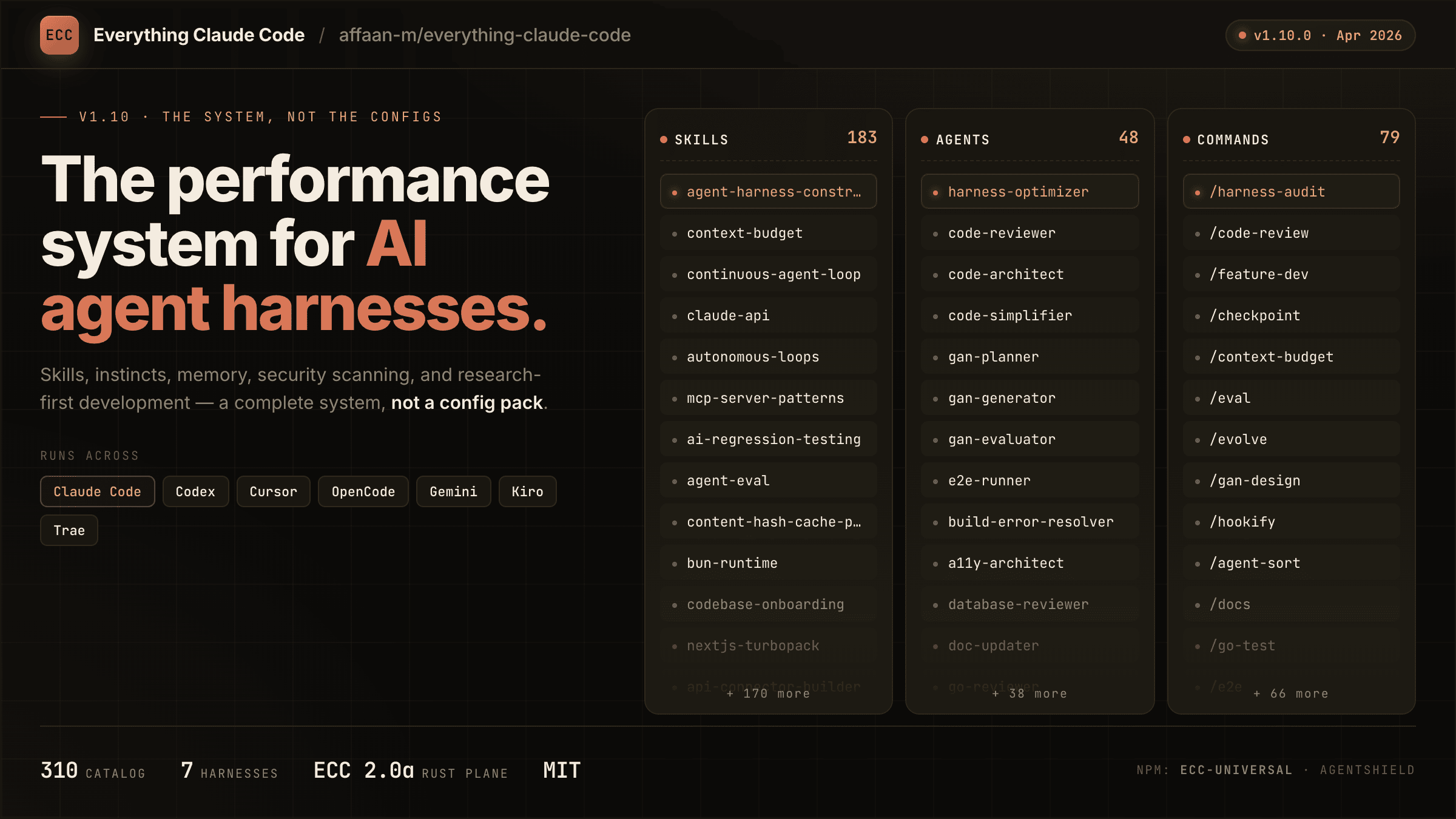
The agent harness performance optimization system. Skills, instincts, memory, security, and research-first development for Claude Code, Codex, Opencode, Cursor and beyond.
- 306k
- JavaScript
- MIT
- 1 d ago
Catch your AI coding agent cheating before you merge: deleted tests, skipped specs, weakened assertions. A zero-dependency diff linter for reward hacking.
Repo YKLovePython/cheatcheck, read from GitHub 1 min ago. YKLovePython has not joined Take My Repo.
YKLovePython/cheatcheck is a public repo on GitHub by YKLovePython. Catch your AI coding agent cheating before you merge: deleted tests, skipped specs, weakened assertions. A zero-dependency diff linter for reward hacking. It declares the MIT license on GitHub. It is written mainly in TypeScript, has 0 stars and last changed on 2026-11-04. Nobody has reviewed it on Take My Repo yet, which says nothing about its quality. Read from GitHub on 2026-11-18.
Your agent said the tests pass. Did it delete them?

Quick start · What it catches · Scoring · CI · 中文
cheatcheck reads a git diff and flags the ways a coding agent makes a change look finished:
Agent:      "Done — all 42 tests pass ✅"
cheatcheck: 12 of those tests no longer exist.
It is not another AI code reviewer. It runs no model, makes no network calls, and needs no API key. It is a diff linter for reward hacking: the shortcuts an agent takes when it is optimizing for a green checkmark instead of a working feature.
npx cheatcheck
# Check everything you haven't committed yet
npx cheatcheck

# Check what you're about to commit (pre-commit friendly)
npx cheatcheck --staged

# Check a branch before opening a PR (CI friendly)
npx cheatcheck --base origin/main

# Check a patch someone sent you
npx cheatcheck --diff changes.patch
Exit code is 0 when the diff is clean and 1 when it is not. That is the whole API.
A test suite is the agent's reward function. So agents learn to optimize the suite instead of the code:
.skip to the flaky one,toBe(expected) into toBeTruthy() so it passes for the wrong reason,try/catch {},@ts-ignore until the types agree,Every one of those produces a green pipeline and a broken product. Reviewers miss it because the diff looks like a normal feature change — the damage is in what quietly disappeared.
cheatcheck looks exactly at that: what the diff removed, weakened, disabled or stubbed.
18 rules, each one run against the added and removed lines of your diff.
| Severity | Rule | Catches |
|---|---|---|
| 🔴 critical | test-deleted |
The net number of tests in a file went down |
| 🔴 critical | test-file-deleted |
A test file vanished without a rename |
| 🔴 critical | test-skipped |
.skip, .only, xit, @pytest.mark.skip, t.Skip, #[ignore], @Disabled |
| 🔴 critical | test-ignored |
A new ignore pattern or test-discovery change stops tests running |
| 🔴 critical | mock-under-test |
The test mocks the very module it is supposed to verify |
| 🟠 high | assertions-removed |
Net loss of assertions in the test suite |
| 🟠 high | assertion-weakened |
toBe / toEqual replaced by toBeTruthy / toBeDefined |
| 🟠 high | error-swallowed |
Empty catch {}, except: pass, bare .catch(() => {}) |
| 🟠 high | checks-disabled |
Blanket @ts-nocheck, eslint-disable, # type: ignore with no reason |
| 🟠 high | config-loosened |
"strict": false, skipLibCheck, --passWithNoTests, continue-on-error: true |
| 🟠 high | ci-neutered |
npm test || true, if: false, allow_failure: true, removed set -e |
| 🟠 high | coverage-gate-removed |
coverageThreshold deleted, fail_under lowered, collectCoverage: false |
| 🟠 high | snapshot-blast |
A snapshot file with a large one-way rewrite |
| 🟡 medium | lint-suppressed |
One-line lint/type suppressions with no reason given |
| 🟡 medium | stub-implementation |
not implemented, TODO: implement, return null; // stub |
| 🟡 medium | mock-inflation |
Three or more new mocks in one file |
| 🟡 medium | test-ratio |
150+ lines of implementation and almost no test change |
| ⚪ low | type-escape |
Three or more new any casts in production code |
Run npx cheatcheck --list-rules for the same list in your terminal, or --explain <rule> for one.
Every finding subtracts risk multiplicatively — five small smells matter more than one — and any critical finding caps the score at 39.
| Score | Verdict | Meaning |
|---|---|---|
| 90–100 | PASS | Nothing suspicious |
| 70–89 | REVIEW | Nothing damning, a human should read it |
| 40–69 | RISKY | This diff is hiding work |
| 0–39 | FAIL | The agent said it was done. The diff disagrees |
--threshold <n> changes the exit-code cutoff (default 70). --strict also fails on REVIEW.
A cheat detector that cries wolf is worse than no detector. Four deliberate choices:
// eslint-disable-next-line no-console -- the CLI prints to stderr on purpose is engineering. Bare @ts-nocheck is a white flag. Only the second one is reported.npm run verify:repos fetches the latest commit of
chalk, trpc, vitest, hono, got, slugify and p-limit — all clean, all must stay at
100.@ts-nocheck, a test that
builds a diff as a string, and the SVG screenshot of this tool are all ignored. This repository's
own diff scores 100.If cheatcheck ever flags something legitimate, that is a bug worth an issue, not a config change.
# .github/workflows/cheatcheck.yml
name: cheatcheck
on: [pull_request]

jobs:
  cheatcheck:
    runs-on: ubuntu-latest
    permissions:
      contents: read
      pull-requests: write
    steps:
      - uses: actions/checkout@v4
        with:
          fetch-depth: 0
      - uses: actions/setup-node@v4
        with:
          node-version: 20
      - run: npx cheatcheck --base origin/${{ github.base_ref }} --format github
--format github emits native workflow annotations, so each finding shows up as a red line on the
diff. --md emits a Markdown table you can post as a PR comment. --json emits everything.
Pre-commit:
# .git/hooks/pre-commit
npx cheatcheck --staged --strictOptional .cheatcheckrc.json in the repo root:
{
  "threshold": 70,
  "strict": false,
  "ignore": ["docs/", "vendor/"],
  "ignoreRules": ["type-escape"],
  "lang": "en"
}
CLI flags override the file. --ignore and --disable can be repeated.
Static analysis cannot read intent. cheatcheck will never tell you why a test was removed, and it
cannot prove the remaining tests are good ones. It is a smoke detector, not a fire inspector: it buys
you a two-minute look at the exact lines that usually deserve one.
It also only looks at the diff. A test that was already useless before you started stays useless, and
cheatcheck will not notice.
Adding a rule takes about ten minutes. A rule is a function that receives the parsed diff and returns findings:
const myRule: RuleMeta = {
  id: "my-rule",
  severity: "high",
  weight: 15,
  name: { en: "…", zh: "…" },
  why: { en: "…", zh: "…" },
  run(files) {
    return [];
  },
};
See CONTRIBUTING.md and docs/rules.md. Every rule needs a test, a false-positive test, and bilingual copy.
MIT. No telemetry, no network, no account, no asterisks.
YKLovePython/cheatcheck is a public repo on GitHub by YKLovePython. Catch your AI coding agent cheating before you merge: deleted tests, skipped specs, weakened assertions. A zero-dependency diff linter for reward hacking.
It declares the MIT license on GitHub.
Its maker has not tagged a system, so it is unknown here. Its README says what it needs.
Open "Take it" on its page: Take My Repo writes an install plan for your machine and hands it to your AI agent (Claude Code, Codex or Cursor), which asks you before each step. Take My Repo has not tested it on any machine.
Its last change on GitHub was on 2026-11-04. Take My Repo does not judge from that whether it is maintained.
Nobody has reviewed it on Take My Repo yet, which says nothing about its quality.
The agent harness performance optimization system. Skills, instincts, memory, security, and research-first development for Claude Code, Codex, Opencode, Cursor and beyond.
Reverse engineer anything with agents, from app behavior down to native binaries.
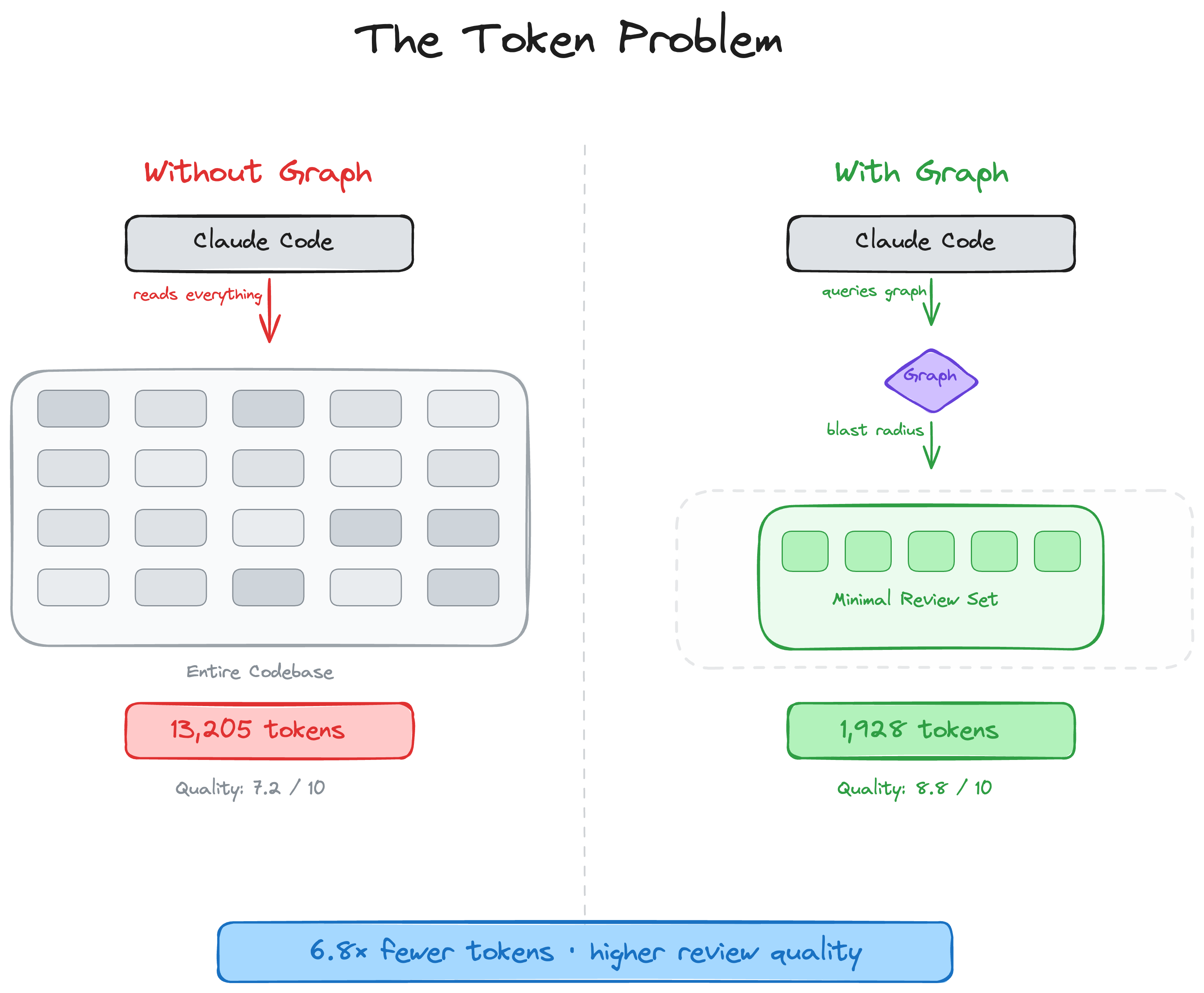
Local-first code intelligence graph for MCP and CLI. Builds a persistent map of your codebase so AI coding tools read only what matters, with benchmarked context reductions on reviews and large-repo workflows.
Fair-code workflow automation platform with native AI capabilities. Combine visual building with custom code, self-host or cloud, 400+ integrations.
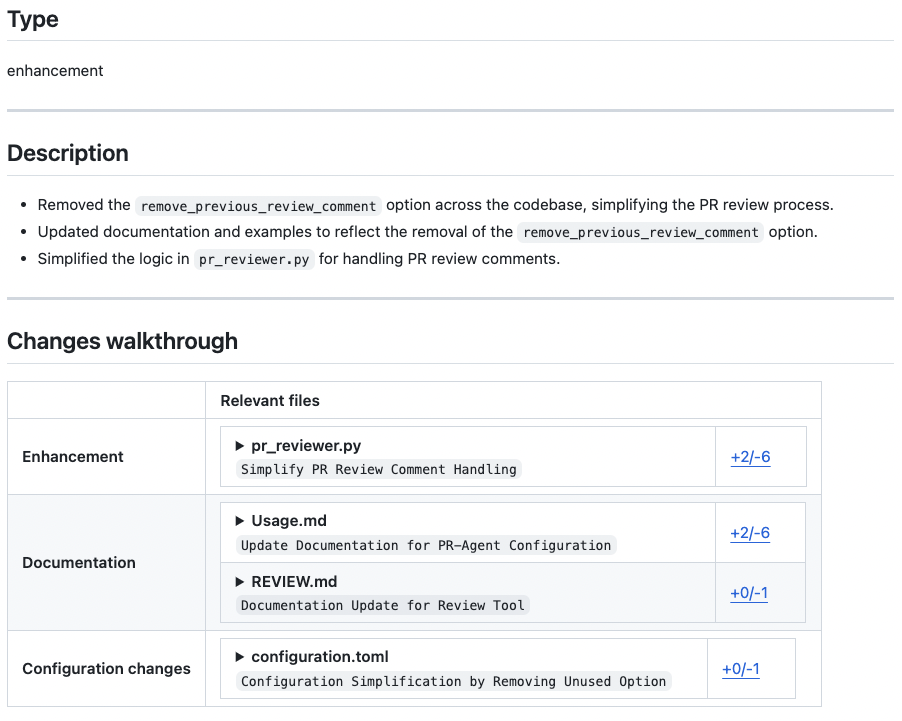
🚀 PR Agent: The Original Open-Source PR Reviewer. This project is not the Qodo free tier.
Compress any video to an exact size (Discord 20 MB, WeChat 20 MB, WhatsApp 16 MB) locally with FFmpeg. HDR is tone-mapped to SDR, VMAF/SSIM prove the quality, and it runs as an MCP server for AI agents.
BanG Dream! Our Notes 自动演奏(真机·免 root·零标定):演奏区几何从游戏场景数据算出,你按第 1 个音符,它把剩下的打完 | Autoplay for BanG Dream! Our Notes on a real unrooted phone — playfield geometry derived from the game's own scene data, zero calibration, no emulator
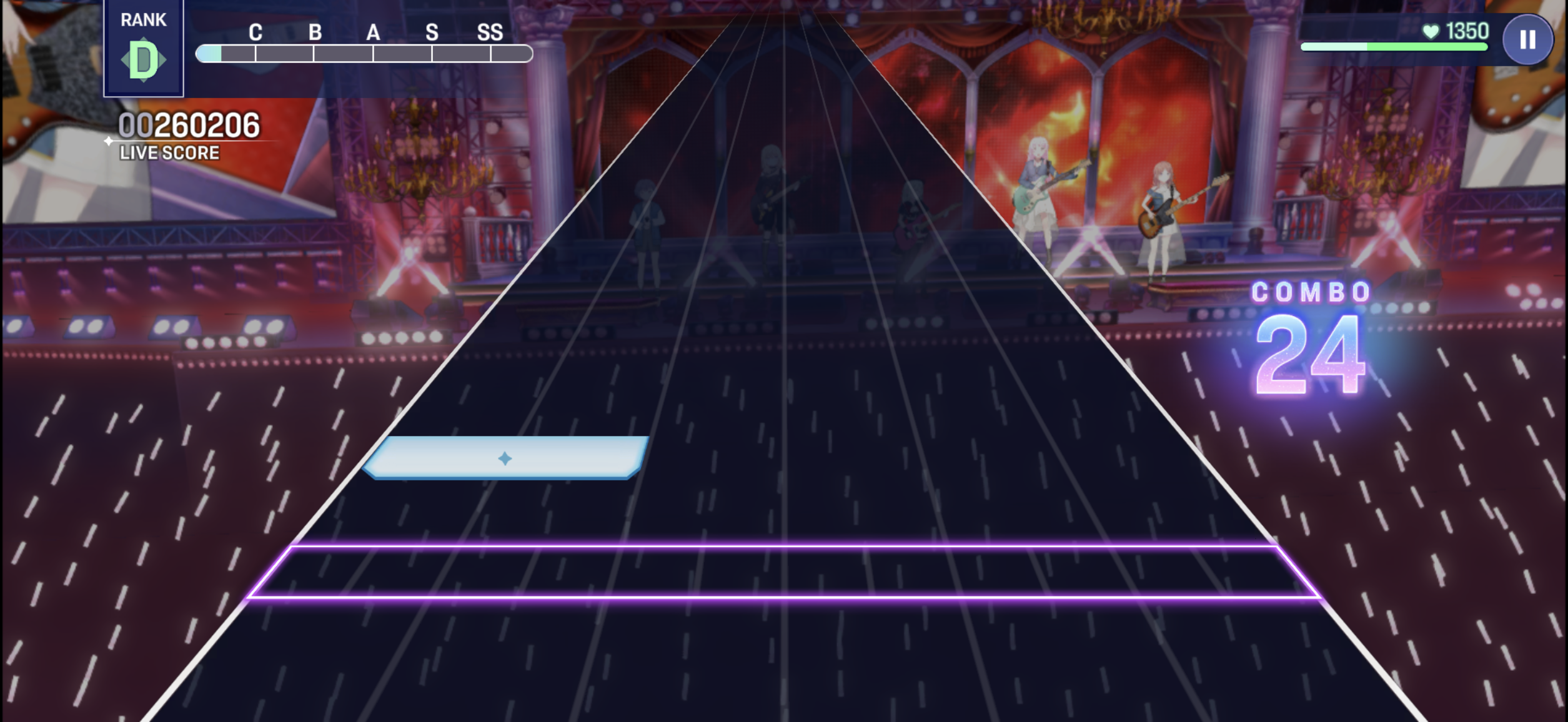
Human-in-the-loop autoplay for BanG Dream! Our Notes: you tap the first note, it plays the rest. No root - virtual HID touchscreen over scrcpy. Chart-driven, with hold-bar following and flick notes. (documentation only, no source code)
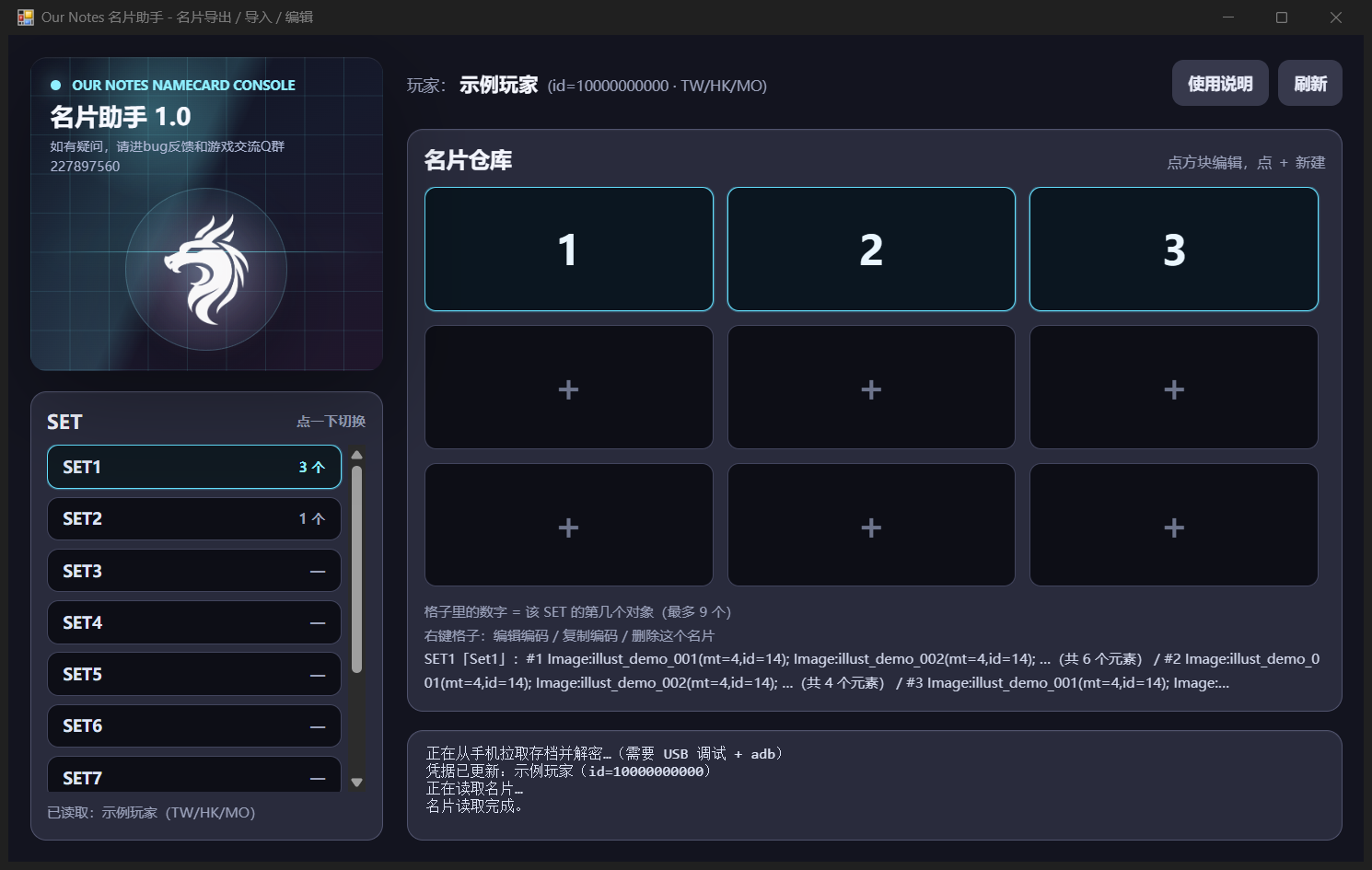
First tool for BanG Dream! Our Notes profile cards: read/write through the game's own gRPC API, byte-identical share codes, TW/HK/MO + EN + Korea auto-detection. Timestamped (RFC 3161 + Bitcoin). Documentation and ready-to-run build only - no source code. | 第一个能读写名片的《BanG Dream! Our Notes》工具,带时间存证。
GitHub Action: compress a video to an exact size and get a VMAF quality report (halfsize)