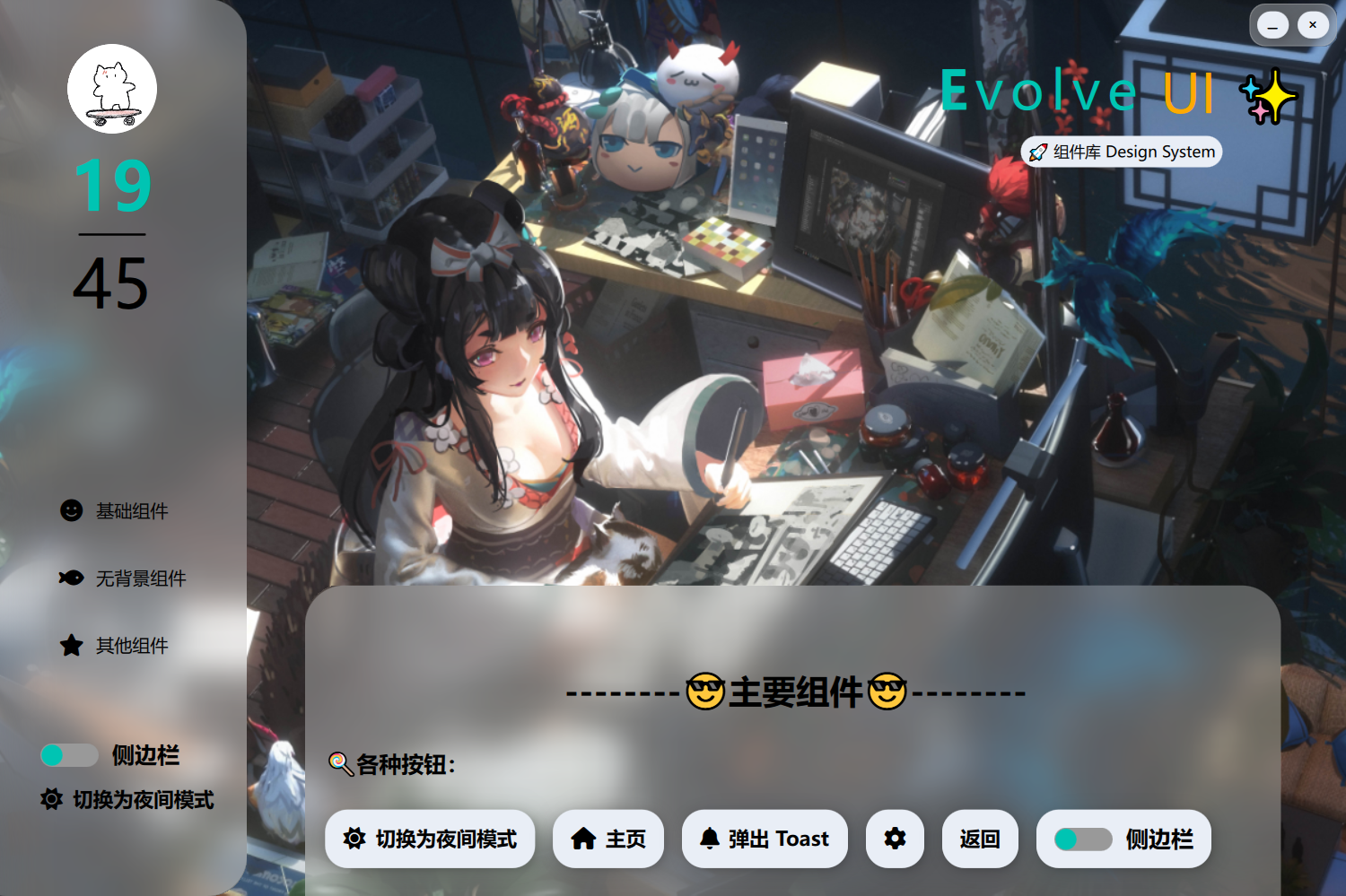
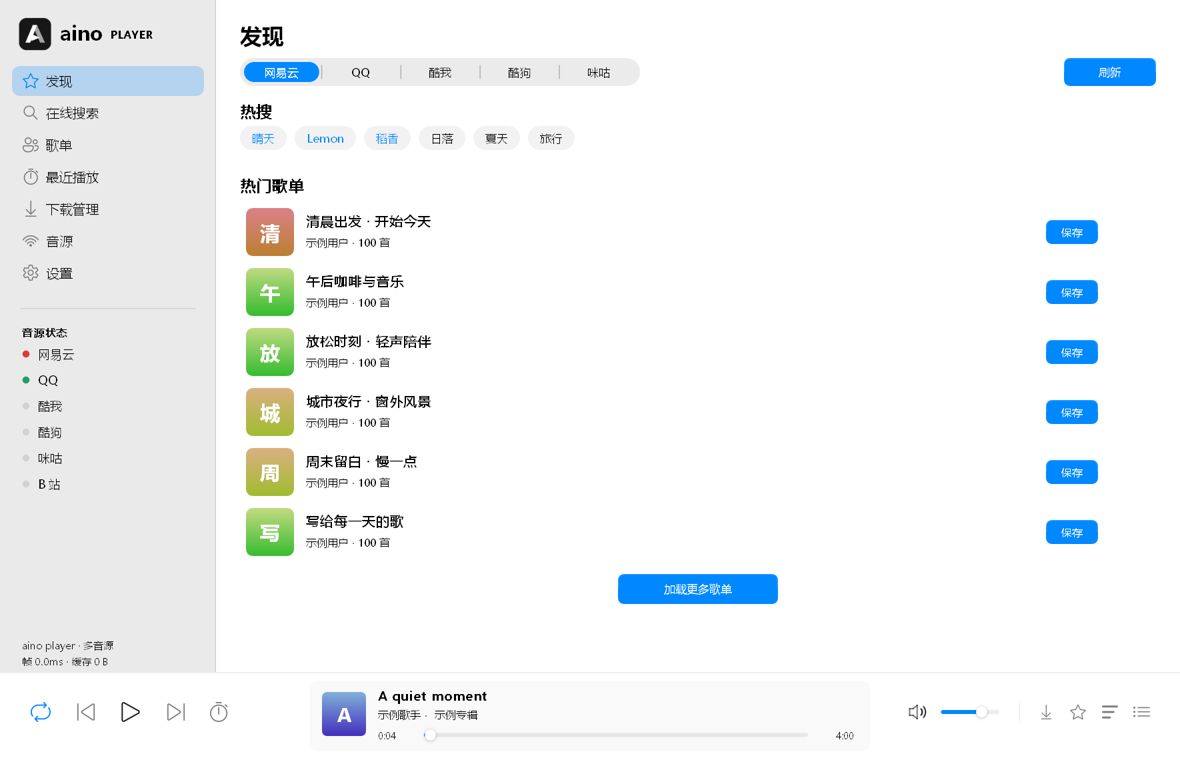
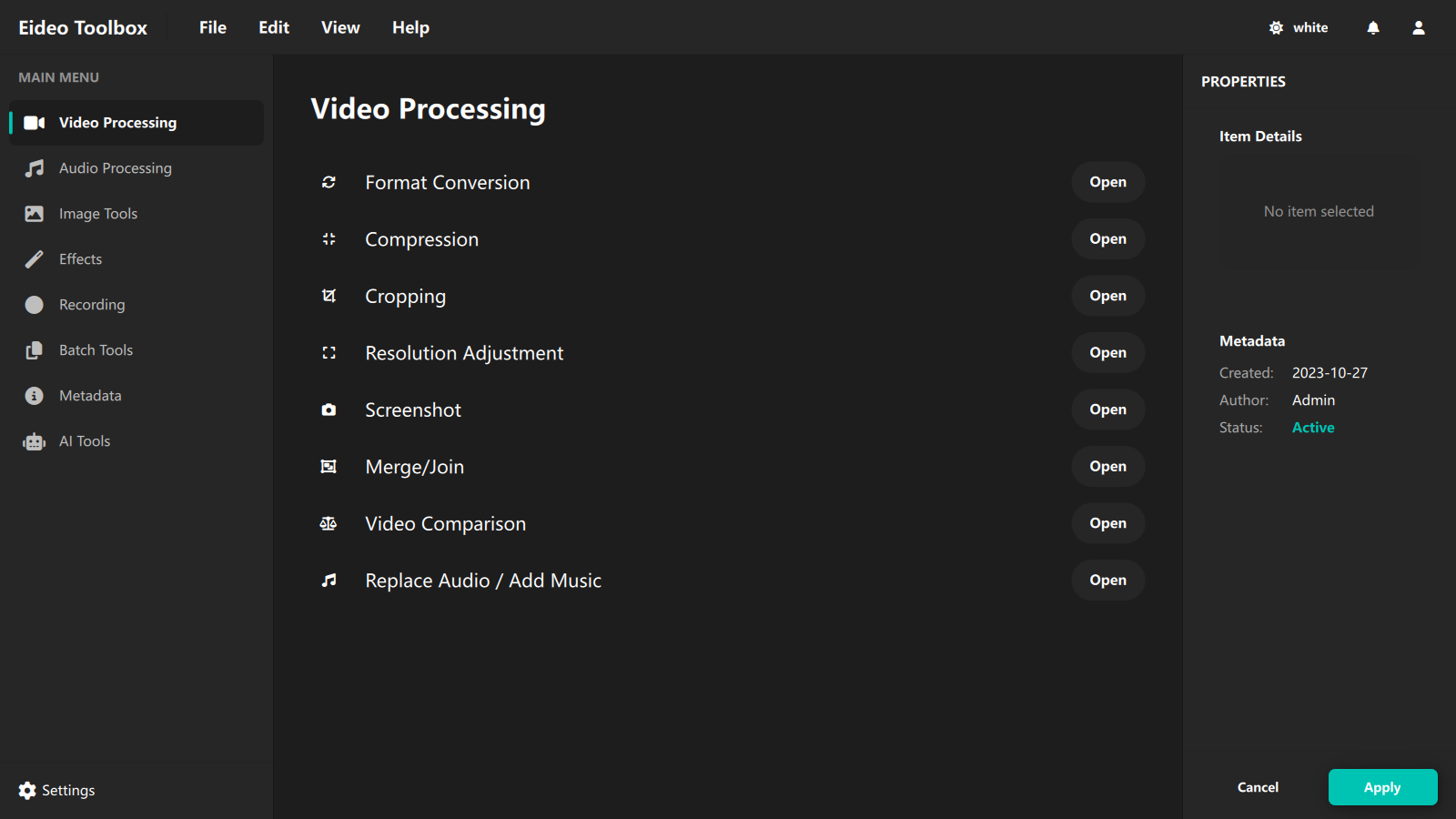
EUI-NEO
EUI-NEO is a cross-platform, high-performance, low-overhead C++17 GPUI framework
- 2.1k
- C++
- Apache-2.0
- 3 h ago
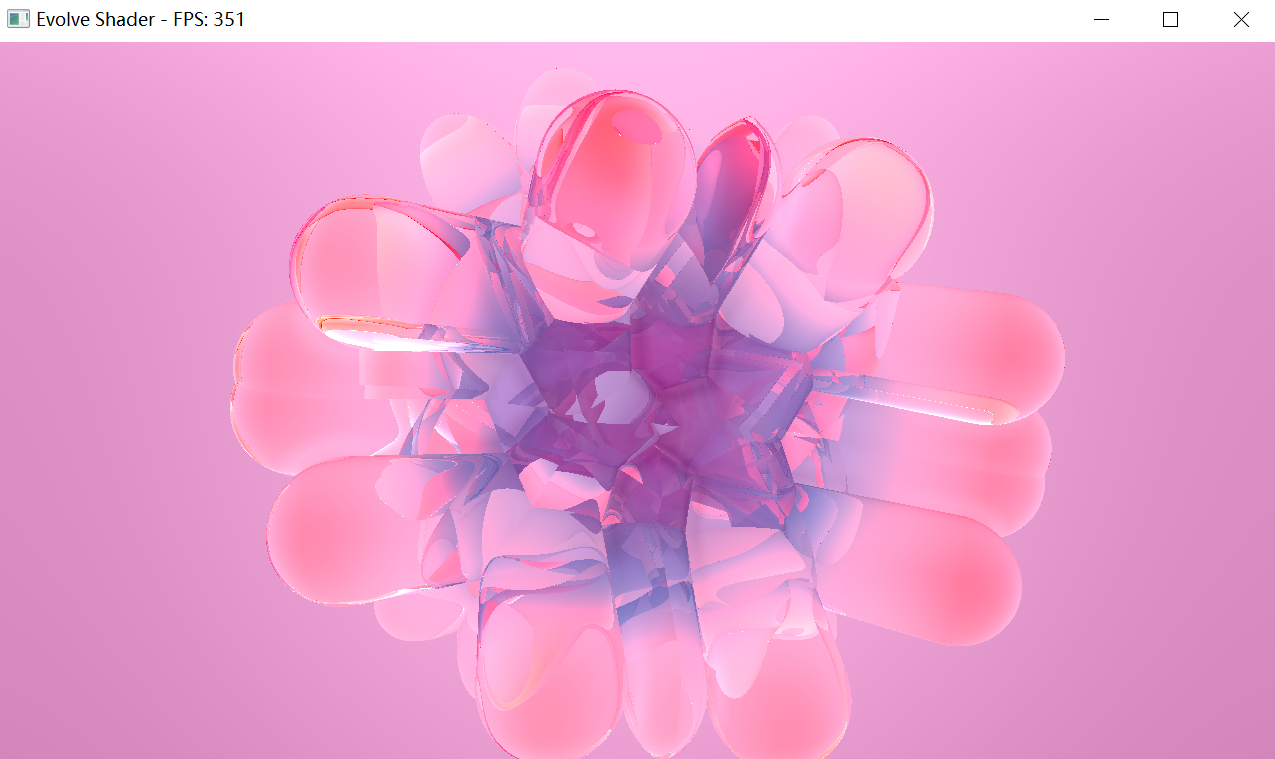
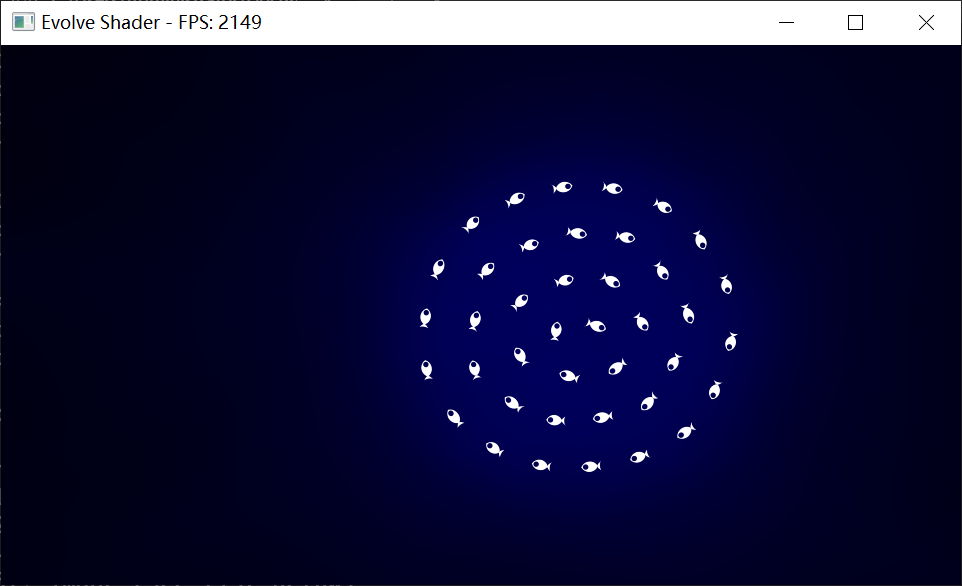
A minimal Shadertoy-like shader viewer written in C++ with OpenGL 3.3 and GLFW. Supports both shaders with textures (iChannel0) and shaders without textures. Provides realtime rendering with mouse interaction and FPS display.
Repo sudoevolve/Evolve-Shader, read from GitHub 13 min ago. sudoevolve has not joined Take My Repo.
sudoevolve/Evolve-Shader is a public repo on GitHub by sudoevolve. A minimal Shadertoy-like shader viewer written in C++ with OpenGL 3.3 and GLFW. Supports both shaders with textures (iChannel0) and shaders without textures. Provides realtime rendering with mouse interaction and FPS display. It declares the Apache-2.0 license on GitHub. It is written mainly in GLSL, has 8 stars and last changed on 2026-07-27. Nobody has reviewed it on Take My Repo yet, which says nothing about its quality. Read from GitHub on 2026-11-23.
Evolve Shader is a minimal multi-pass shader viewer inspired by Shadertoy.
It loads fragment shaders from frag/, lets you wire iChannel0-iChannel3 interactively, renders every pass into ping-pong framebuffers, and presents the last pass to the window.
Evolve-Shader/
├─ main.cpp
├─ include/
│  ├─ ChannelConfig.h
│  ├─ GLTypes.h
│  ├─ Resources.h
│  ├─ ShaderIO.h
│  └─ ShaderProgram.h
├─ frag/
│  ├─ 1.frag
│  └─ 2.frag
├─ iChannel/
│  ├─ bw_noise.png
│  ├─ color_noise.png
│  ├─ london.png
│  └─ rock.png
├─ CMakeLists.txt
├─ LICENSE
└─ readme.md
mainImage(out vec4 fragColor, in vec2 fragCoord)..frag files in frag/.iChannel routing for none, self, other buffers, or images from iChannel/.iResolution, iTime, iMouse, iDate, and iChannelResolution.iChannel/.At startup the app does the following:
presets/.iChannel/ recursively for .png, .jpg, and .jpeg images.
b. Scans frag/ non-recursively for .frag files.
c. Sorts shader passes by the first number found in each filename.
d. Prompts you to configure iChannel0-iChannel3 for each pass.
e. Asks if you want to save the configuration as a new preset.Important behavior details:
frag/ without a number in the filename are ignored.frag/ is not scanned recursively.iChannel/ is scanned recursively.The renderer uses the first numeric token in the filename to determine pass order.
Recommended naming:
0_main.frag
1_blur.frag
2_feedback.frag
3_present.frag
Current repository examples use:
frag/1.frag
frag/2.frag
The wrapper injected by include/ShaderIO.h exposes these uniforms:
| Uniform | Type | Notes |
|---|---|---|
iResolution |
vec3 |
Framebuffer size in pixels; current code sets z = 1.0. |
iTime |
float |
Seconds since startup. |
iTimeDelta |
float |
Time between frames. |
iFrame |
int |
Frame counter. |
iFrameRate |
float |
Computed from iTimeDelta. |
iDate |
vec4 |
Year, month, day, seconds since midnight. |
iMouse |
vec4 |
Shadertoy-like mouse state. |
iChannel0-iChannel3 |
sampler2D |
Texture or buffer inputs. |
iChannelTime[4] |
float[4] |
Currently all set to iTime. |
iChannelResolution[4] |
vec3[4] |
Bound texture resolution for each channel. |
iSampleRate |
float |
Currently fixed to 44100.0. |
iMouse follows Shadertoy-style semantics:
xy: current mouse position in pixels, origin at bottom-left.zw: current press position while the button is down; negative last click position after release.The CMake build fetches third-party source trees into 3rd/ automatically:
glfw3glewstb_image.hYou only need CMake, a C++17 compiler, Git, and platform OpenGL development support.
Install Visual Studio 2022 with the C++ workload, CMake, and Git. Then run:
cmake -S . -B build
cmake --build build --config Release
Install Xcode Command Line Tools, CMake, and Git. Then run:
cmake -S . -B build
cmake --build build --config Release
Install CMake, Git, a C++17 compiler, and OpenGL/X11 development packages. For example, on Ubuntu/Debian:
sudo apt install build-essential cmake git libgl1-mesa-dev xorg-dev
Then run:
cmake -S . -B build
cmake --build build --config Release
CMake copies frag/, iChannel/, and presets/ next to the executable after each build, so you can run from the build output directory:
./build/EvolveShader
For multi-config generators such as Visual Studio, run the executable under the configuration folder, for example build/Release/EvolveShader.exe.
.frag files in frag/.iChannel/.Enter to use the automatic pass chain, or type a pass index to configure channels manually.If you press Enter at the first prompt, the renderer creates a simple chain:
iChannel0iChannel0For a selected pass, each channel can be assigned to:
noneself for feedbackiChannel/void mainImage(out vec4 fragColor, in vec2 fragCoord)
{
vec2 uv = fragCoord / iResolution.xy;
fragColor = vec4(uv, 0.5 + 0.5 * sin(iTime), 1.0);
}
You do not need to provide main() yourself.
The runtime wraps your shader automatically.
3rd/ during CMake configure.frag/ directory trigger an immediate shader reload. A failed compile keeps the last working shader on screen.build/Release/EvolveShader.exe while your current directory is the repository root so edits to frag/ are watched directly.frag/ include their own upstream attribution comments.The project is distributed under the Apache License 2.0. See LICENSE.
Third-party shader or image assets may have their own licenses or attribution requirements.
sudoevolve/Evolve-Shader is a public repo on GitHub by sudoevolve. A minimal Shadertoy-like shader viewer written in C++ with OpenGL 3.3 and GLFW. Supports both shaders with textures (iChannel0) and shaders without textures. Provides realtime rendering with mouse interaction and FPS display.
It declares the Apache-2.0 license on GitHub.
Its maker has not tagged a system, so it is unknown here. Its README says what it needs.
Open "Take it" on its page: Take My Repo writes an install plan for your machine and hands it to your AI agent (Claude Code, Codex or Cursor), which asks you before each step. Take My Repo has not tested it on any machine.
Its last change on GitHub was on 2026-07-27. Take My Repo does not judge from that whether it is maintained.
EUI-NEO is a cross-platform, high-performance, low-overhead C++17 GPUI framework
Nobody has reviewed it on Take My Repo yet, which says nothing about its quality.
EvolveUI is a modern, highly styled Qt6 QML front-end component library dedicated to providing a consistent, elegant, and responsive UI experience for cross-platform applications. Inspired by Telegram's animations and Material Design specifications, it takes into full consideration the interaction habits of desktop and mobile devices.
Modular and customizable Material Design UI components for Pyside