MarkovJunior
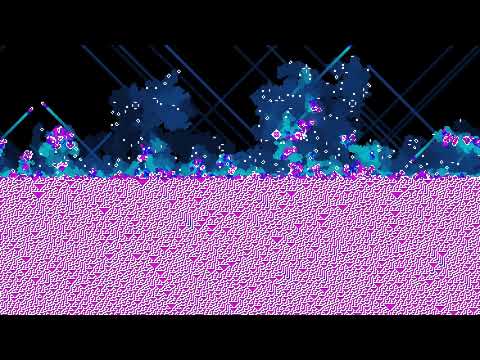
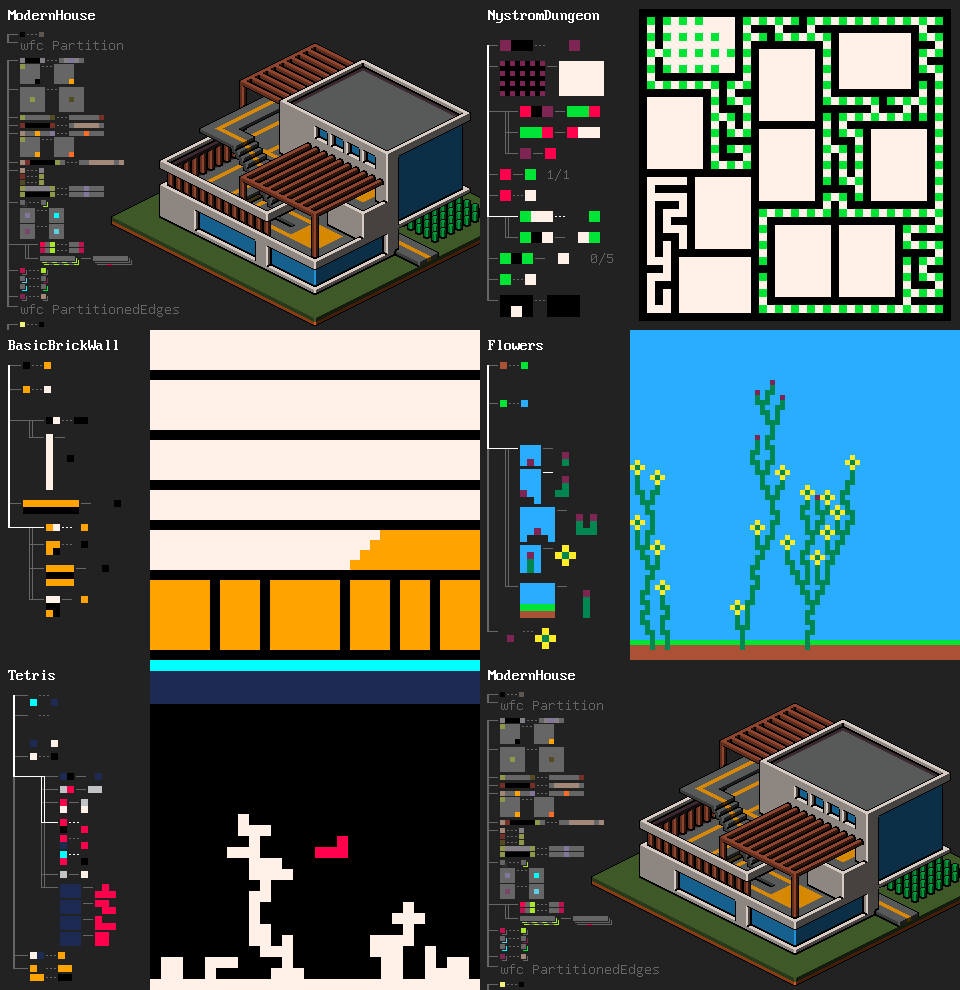
Probabilistic language based on pattern matching and constraint propagation, 153 examples
- 8.5k
- C#
- MIT
- 8 mo ago
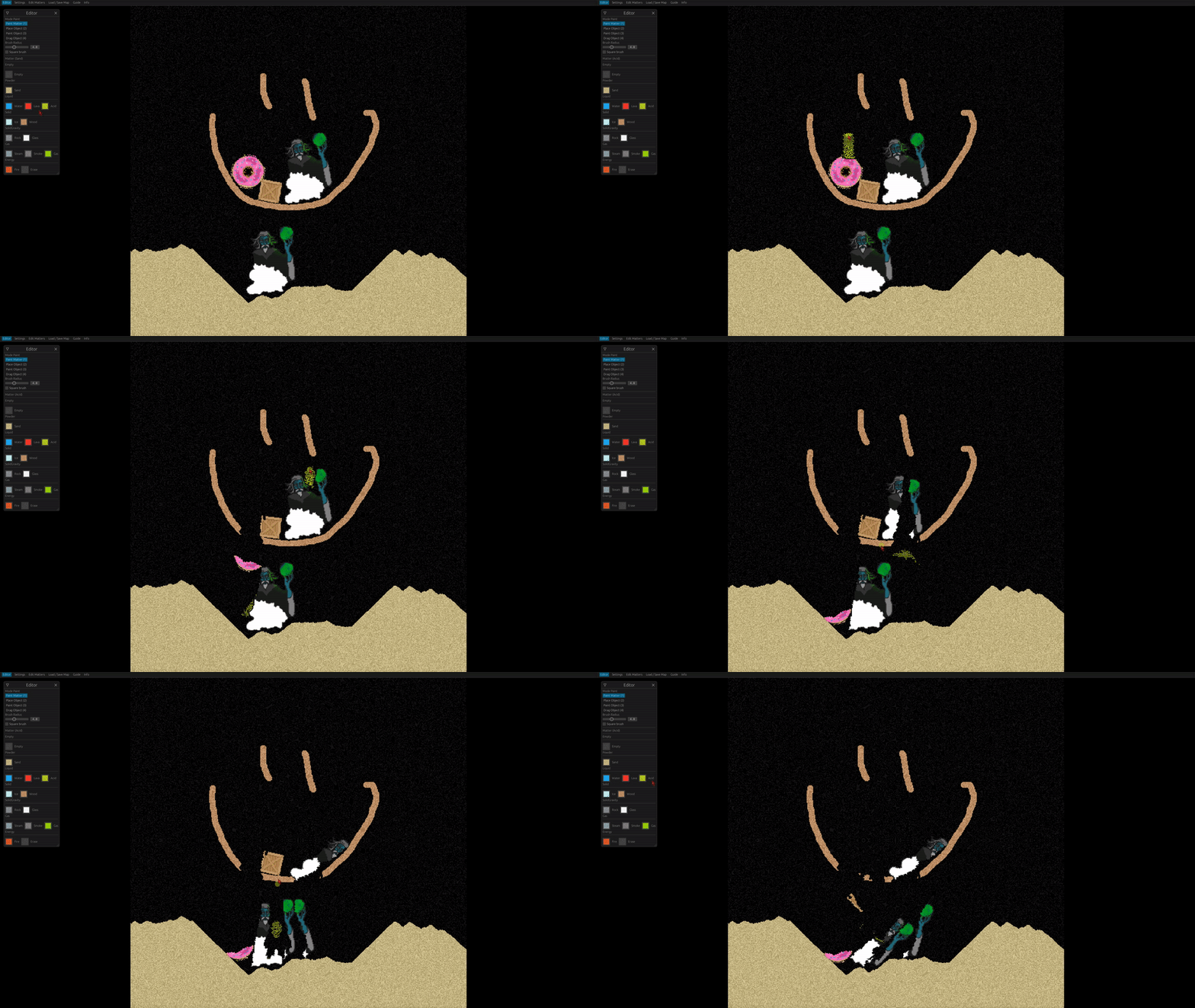
Written in C++ and using SDL, The Powder Toy is a desktop version of the classic 'falling sand' physics sandbox, it simulates air pressure and velocity as well as heat.
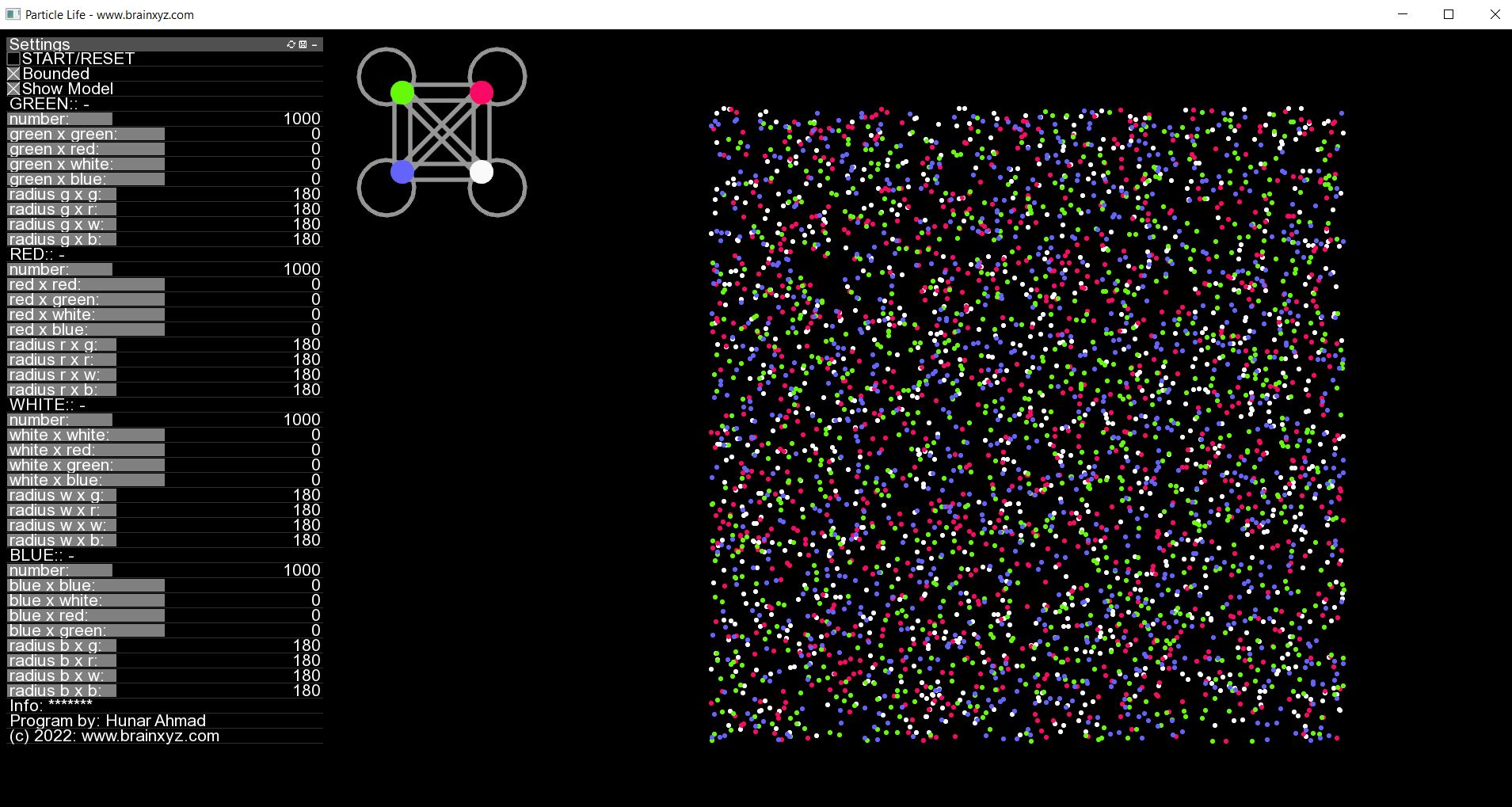
A simple program to simulate artificial life using attraction/reuplsion forces between many particles
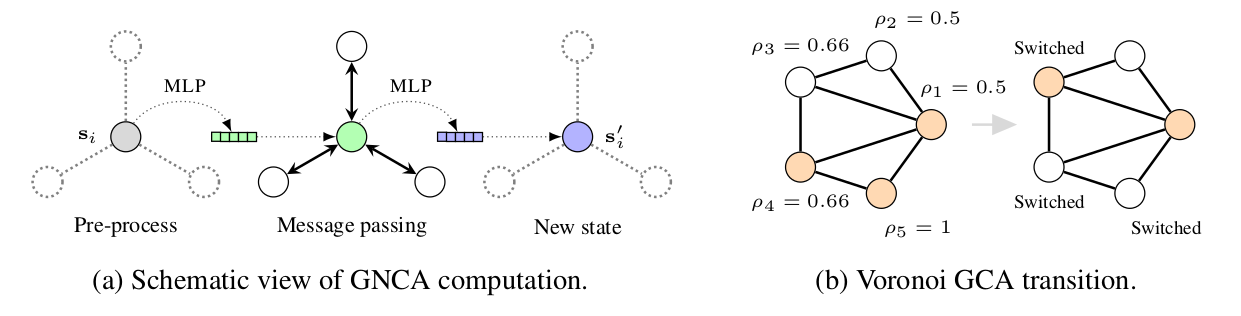
:space_invader: JS library for simple biological simulations and cellular automata
In-browser falling-sand simulation game with over 500 elements and thousands of reactions.
PRVHASH - Pseudo-Random-Value Hash. Hash functions, PRNG with unlimited period, randomness extractor, and a glimpse into abyss. (header-only C/C++) (Codename Gradilac/Градилак)
The PLUS model integrates a rule mining framework based on Land Expansion Analysis Strategy (LEAS) and a CA model based on multi-type Random Patch Seeds (CARS), which was used to understand the drivers of land expansion and project landscape dynamics.
a collection of cellular automata written in Haskell with Diagrams
Generates a 2D animation of Rule 30 (or other rules) being fed into Conway's Game of Life.
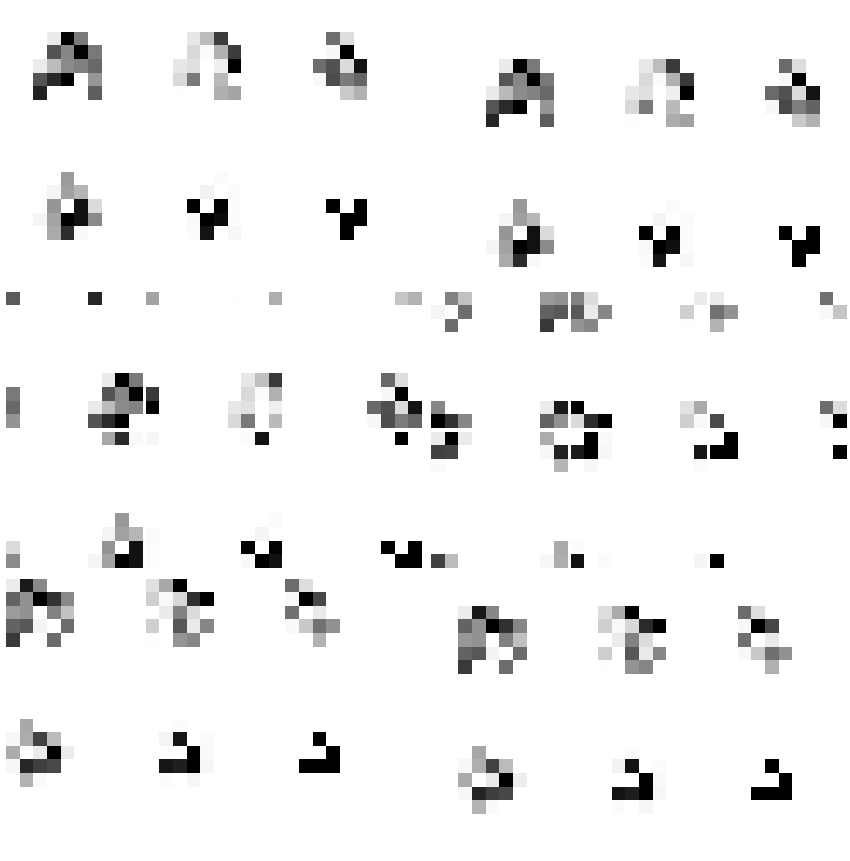
Extended experiments of "Growing Neural Cellular Automata" https://distill.pub/2020/growing-ca/
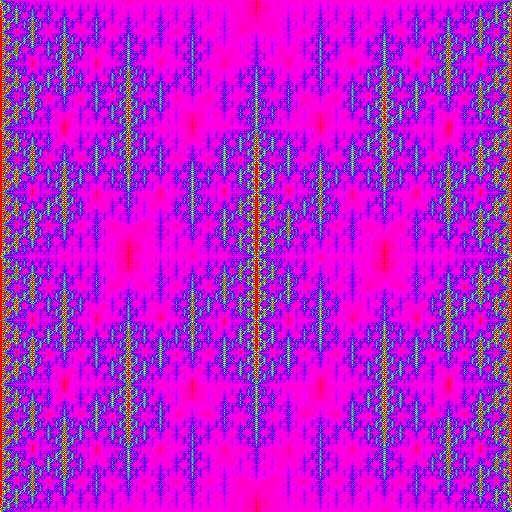
Fractal structures grown from a single point, using either cellular automata rules or convolutional kernels.
Cellular automata code for alloy nucleation and solidification written with Kokkos
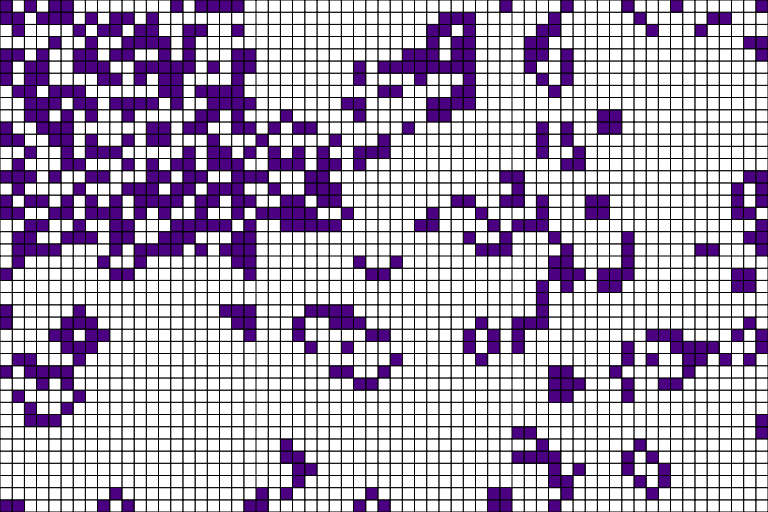
:game_die: Interactive Conway's Game of Life simulation written in Haxe
Artificial life. Particles driven by cellular automata, fighting on a grid and evolving through genetic algorithms.
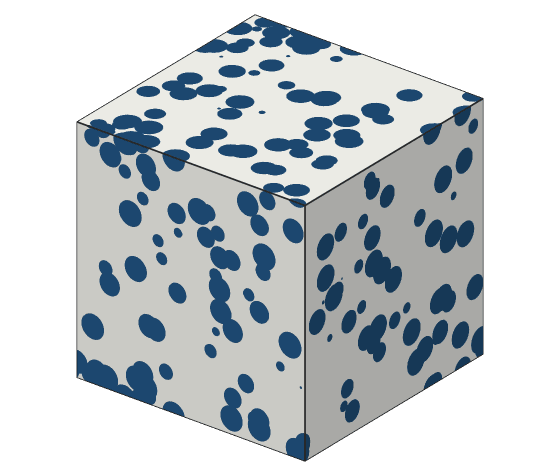
Morphological modelling and generation of virtual microstructures for RVE studies
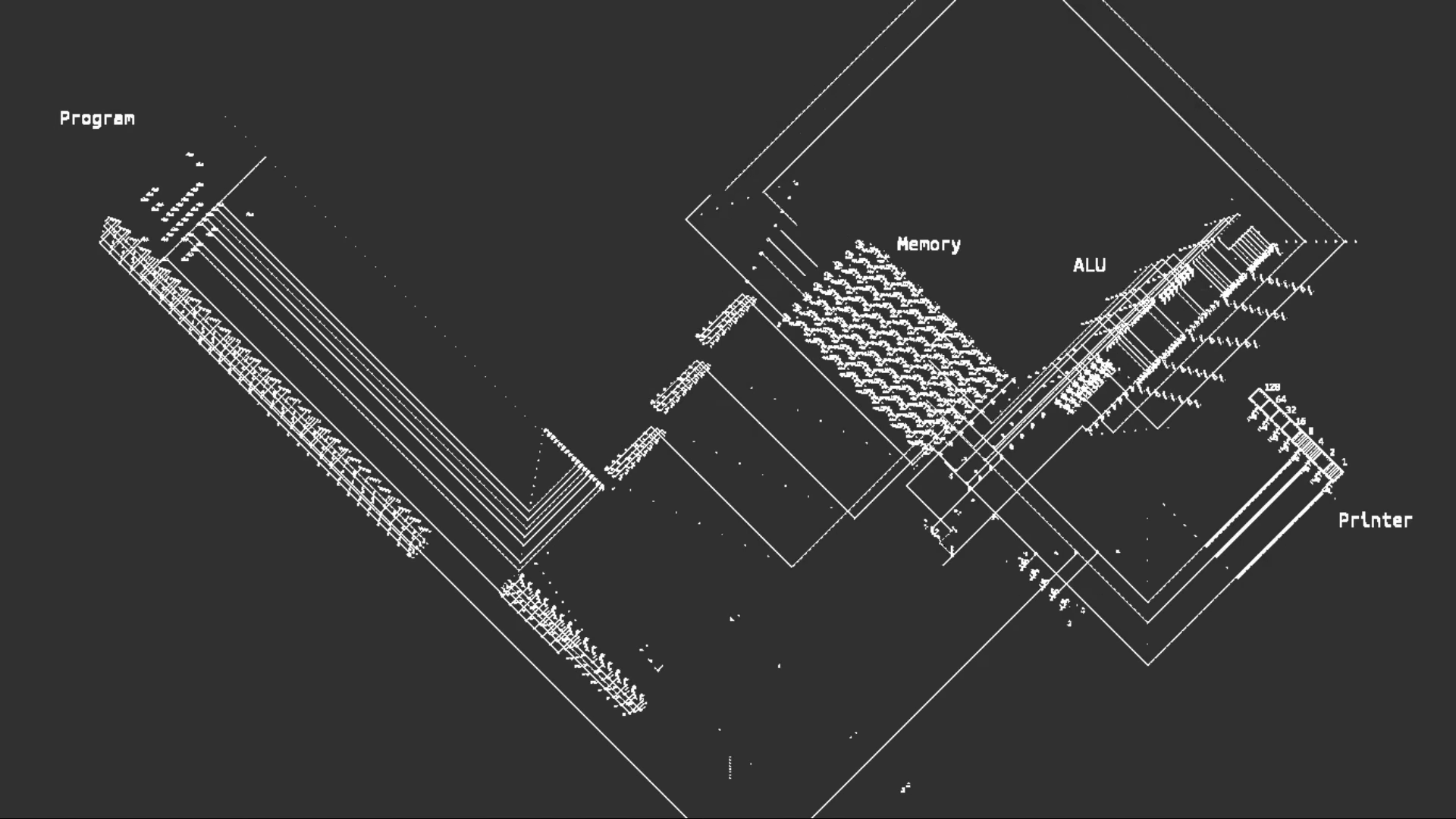
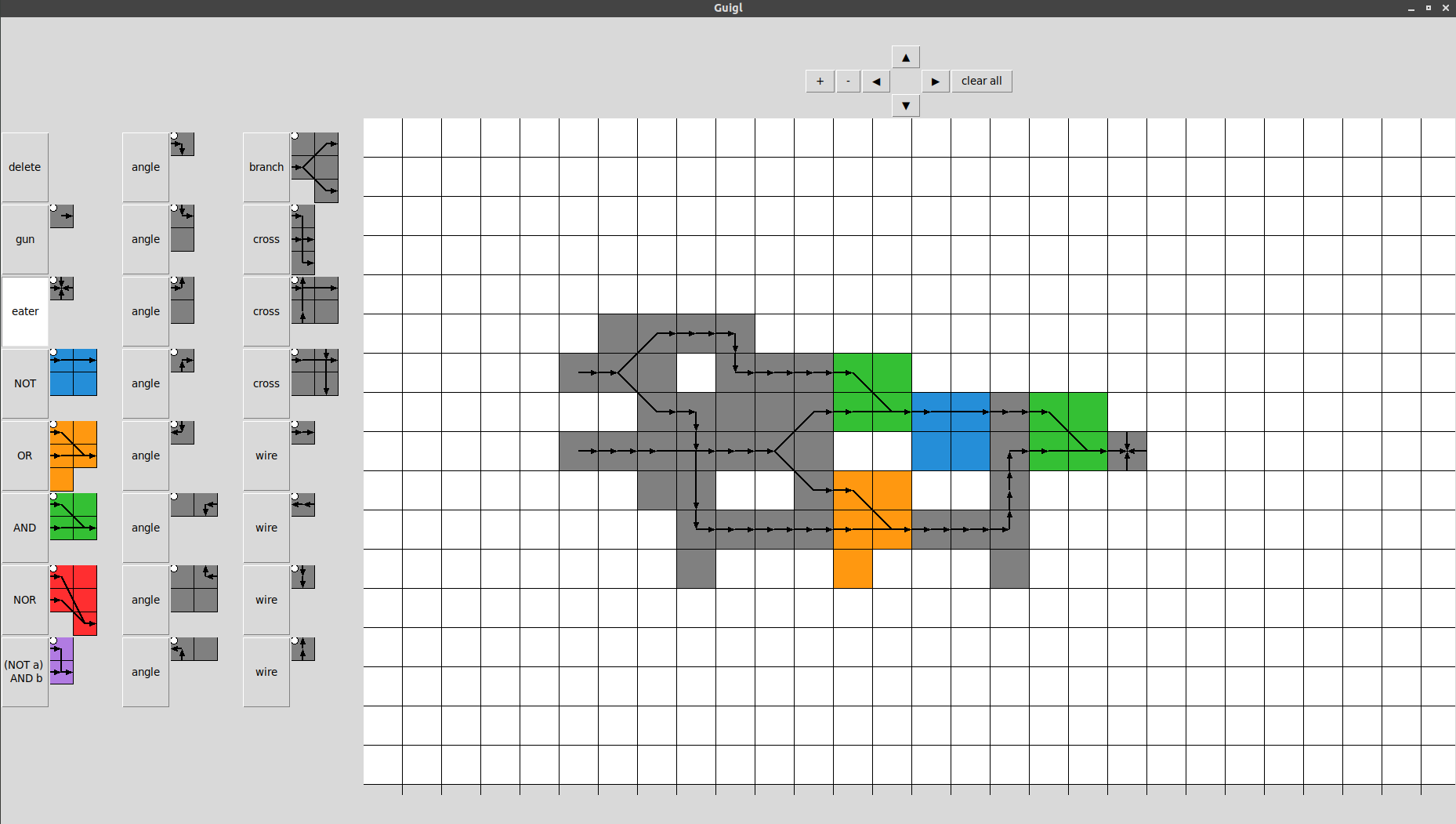
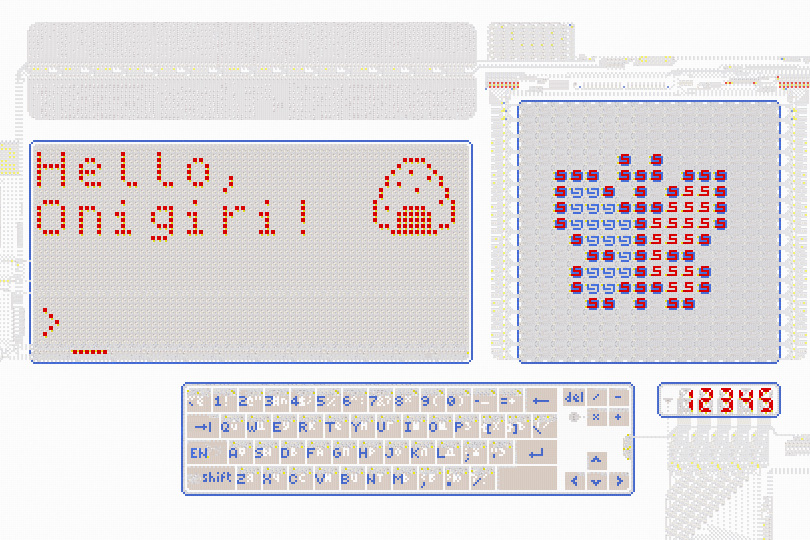
Collection of maps for the “Logic Arrows” game — from simple gates to full-fledged computers with their own assembler, programs, and games
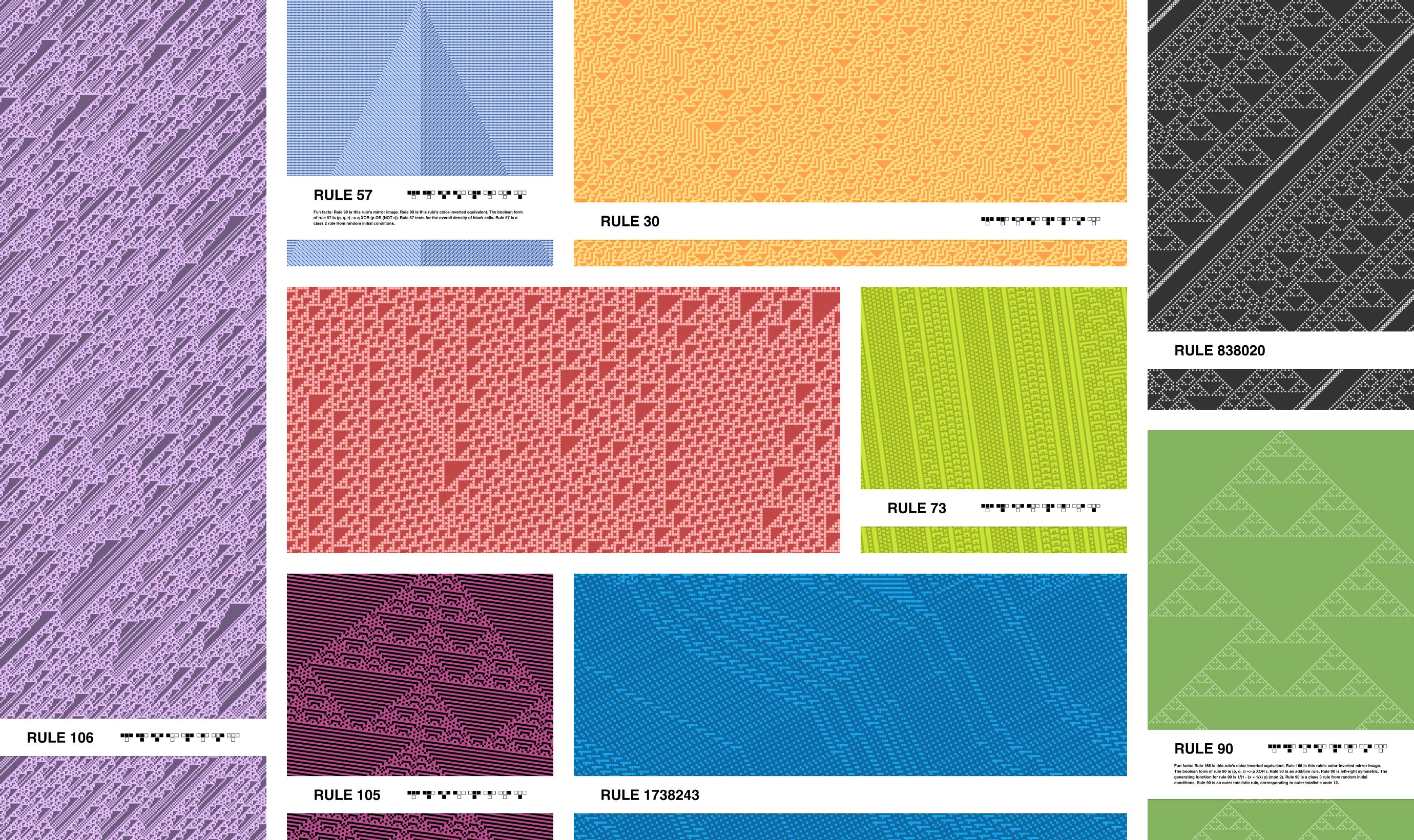
Simple Python script that generates cellular automata posters as PDF files.
The Mixed-Cell Cellullar Automata (MCCA) provides a new approach to enable more dynamic mixed landuse modeling to move away from the analysis of static patterns. One of the biggest advantages of mixed-cell CA models is the capability of simulating the quantitative and continuous changes of multiple landuse components inside cells.
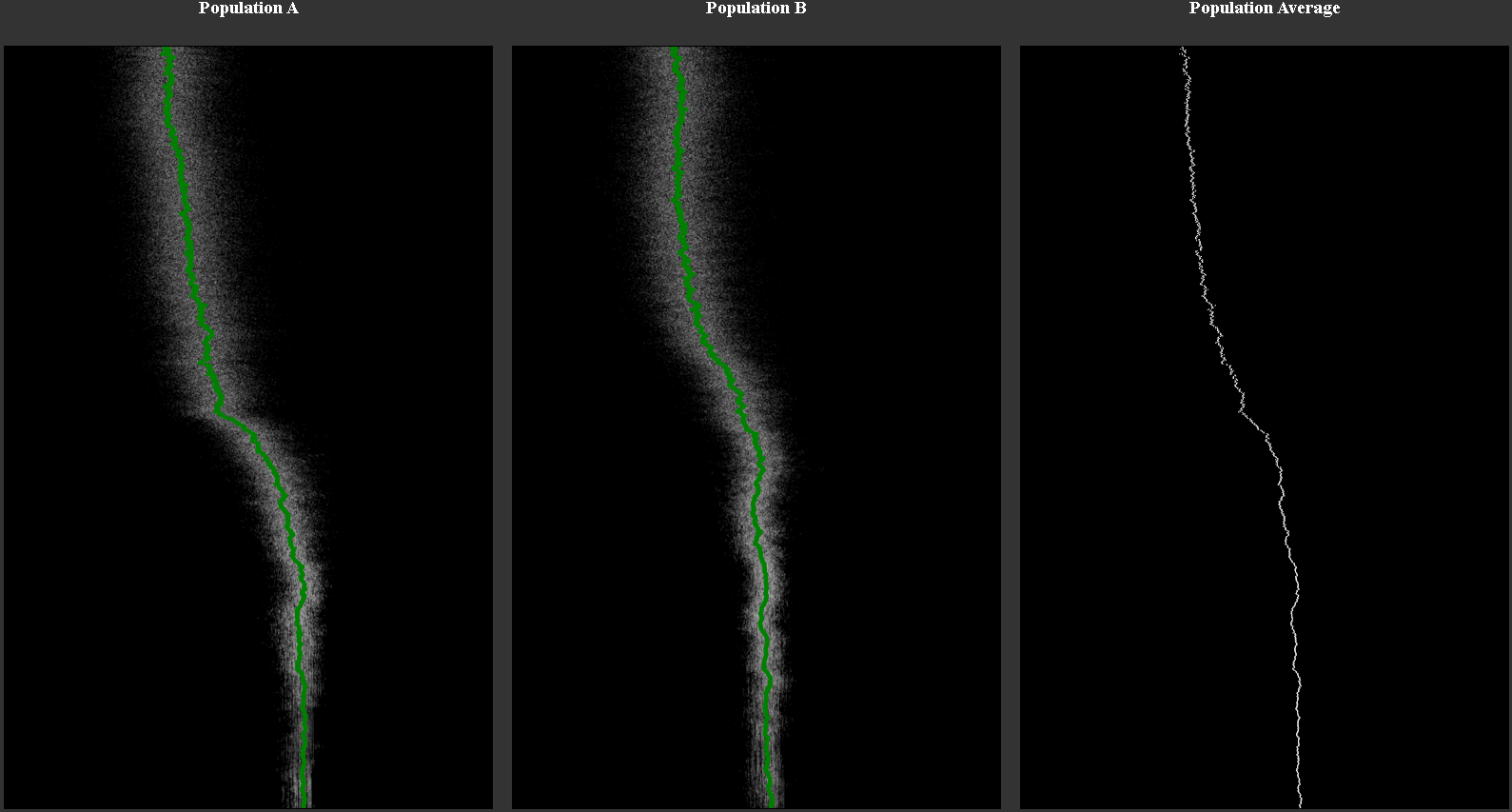
This project explores artificial evolution in a Turing-complete universe. Two populations of cellular automata fields evolve via genetic algorithms, interacting through Conway’s Game of Life. Fitness is not fixed - it emerges from co-evolution. A simulation of open-ended digital life.
What if we replace the Convolution Layers inside GANs (Generative Adversarial Networks) with Cellular Automata. And train the Cellular Automata using a Genetic Algorithm.