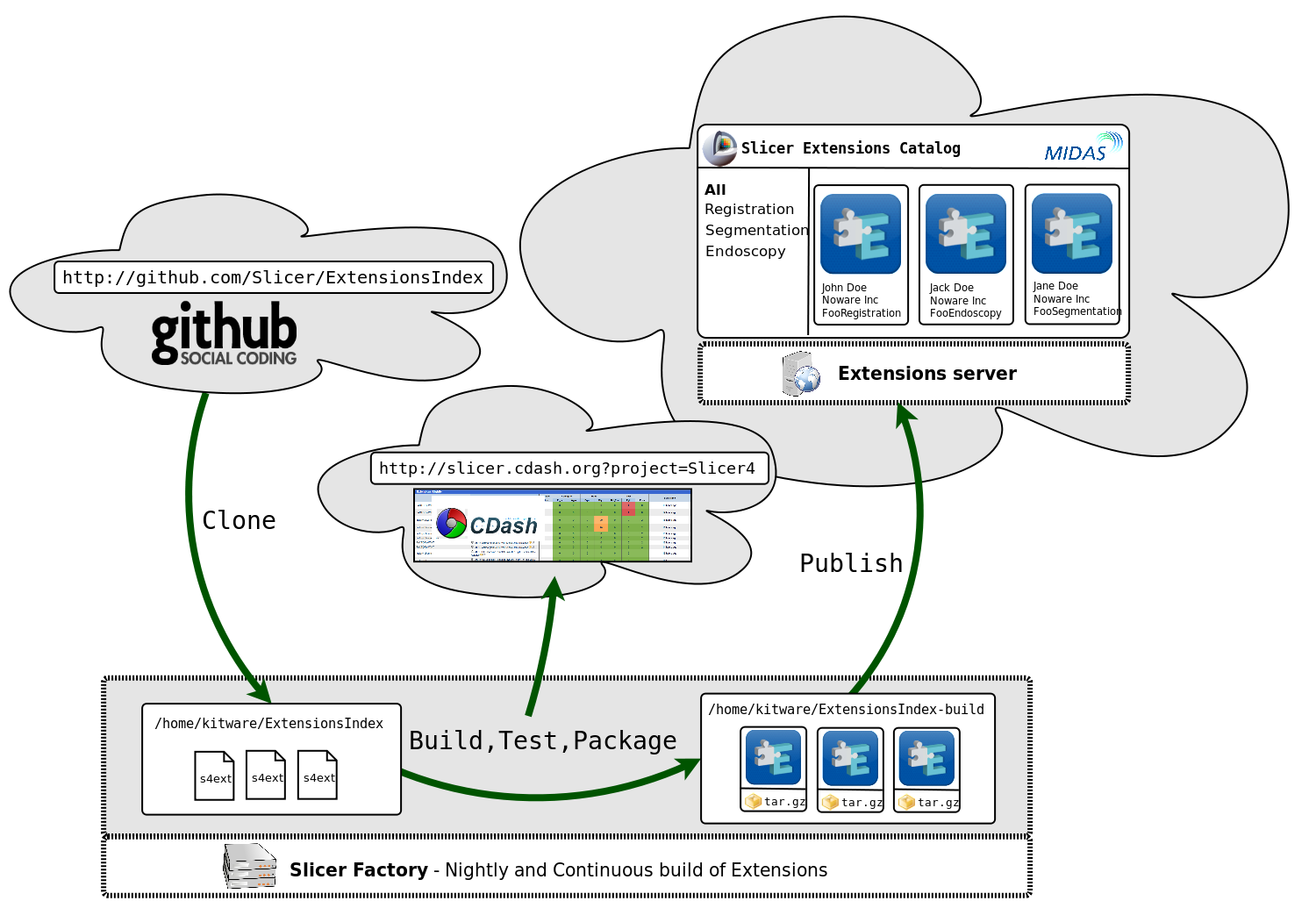
Slicer
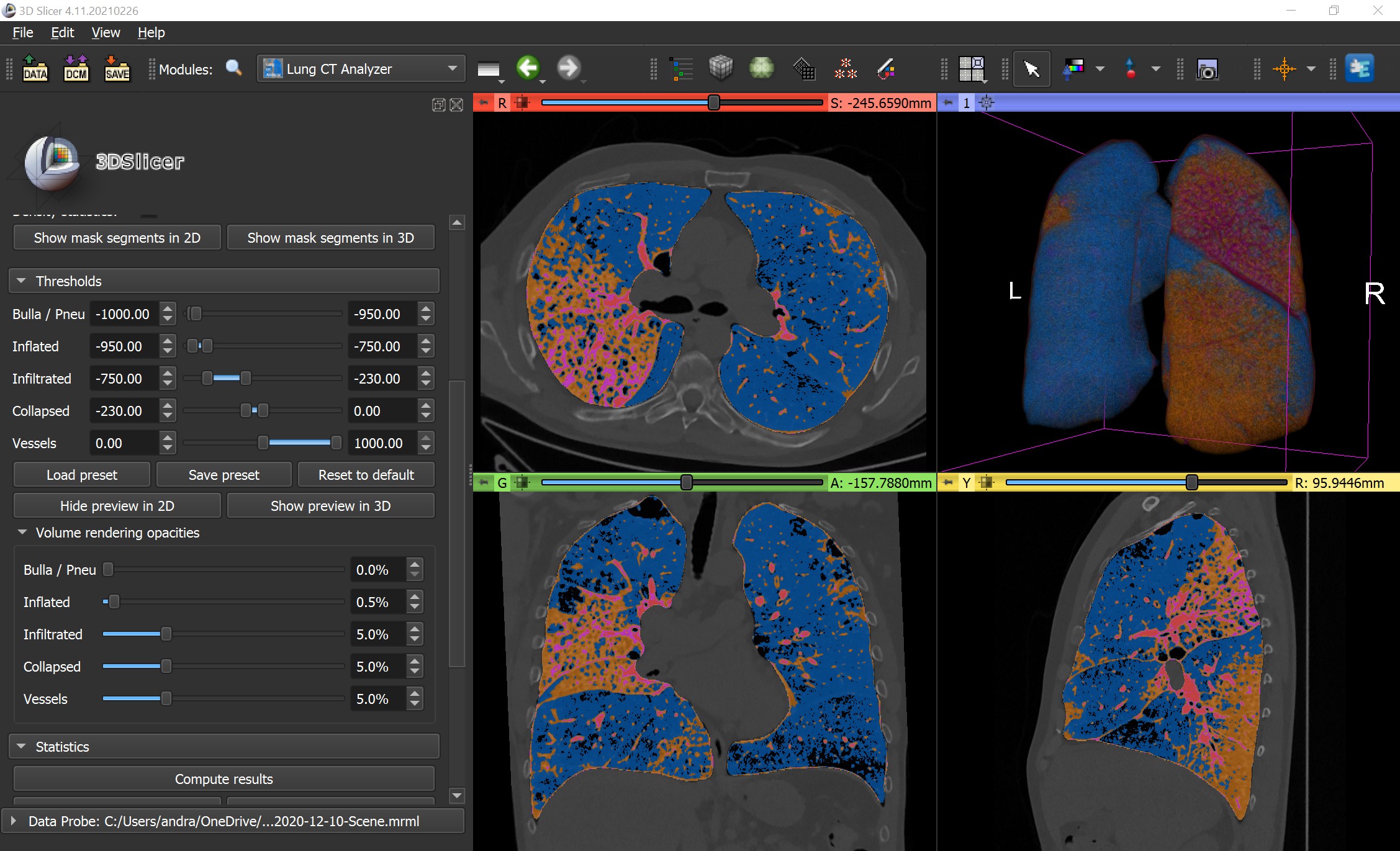
Multi-platform, free open source software for visualization and image computing.
- 2.7k
- C++
- 4 h ago
MNE: Magnetoencephalography (MEG) and Electroencephalography (EEG) in Python
A fast medical imaging analysis library in Python with algorithms for registration, segmentation, and more.
:warning: OBSOLETE | Multi-platform, free open source software for visualization and image computing.
DIPY is the paragon 3D/4D+ medical imaging library in Python. Contains generic methods for spatial normalization, signal processing, machine learning, statistical analysis and visualization of medical images. Additionally, it contains specialized methods for computational anatomy including diffusion, perfusion and structural imaging.
fMRIPrep is a robust and easy-to-use pipeline for preprocessing of diverse fMRI data. The transparent workflow dispenses of manual intervention, thereby ensuring the reproducibility of the results.
Learn about the Neumorphic engineering process of creating large-scale integration (VLSI) systems containing electronic analog circuits to mimic neuro-biological architectures.
Automated Quality Control and visual reports for Quality Assessment of structural (T1w, T2w) and functional MRI of the brain
MNE-BIDS is a Python package that allows you to read and write BIDS-compatible datasets with the help of MNE-Python.
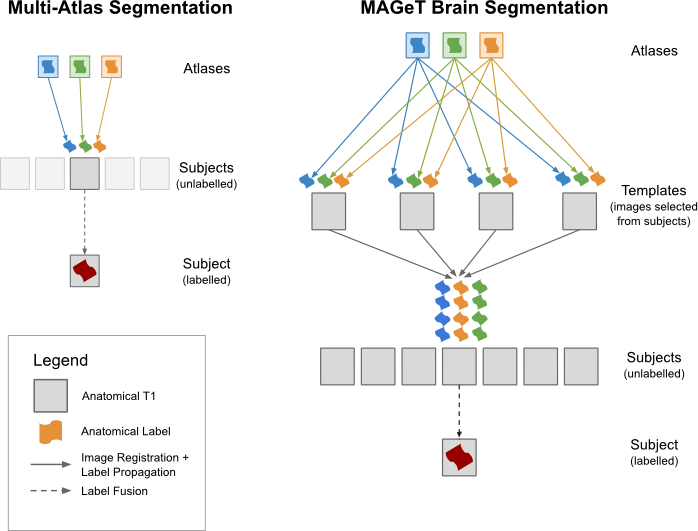
This repository contains the code of LiviaNET, a 3D fully convolutional neural network that was employed in our work: "3D fully convolutional networks for subcortical segmentation in MRI: A large-scale study"
LORIS is a web-accessible database solution for longitudinal multi-site studies.
Open Scripts and pipelines from the Multimodal Imaging and Connectome Analysis Lab at the Montreal Neurological Institute
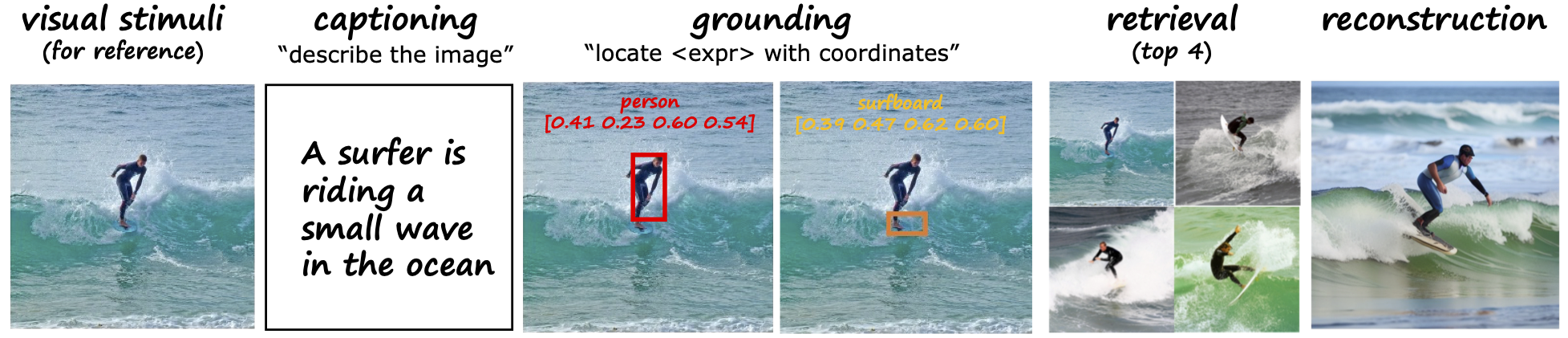
[ECCV 2024] UMBRAE: Unified Multimodal Brain Decoding | Unveiling the 'Dark Side' of Brain Modality
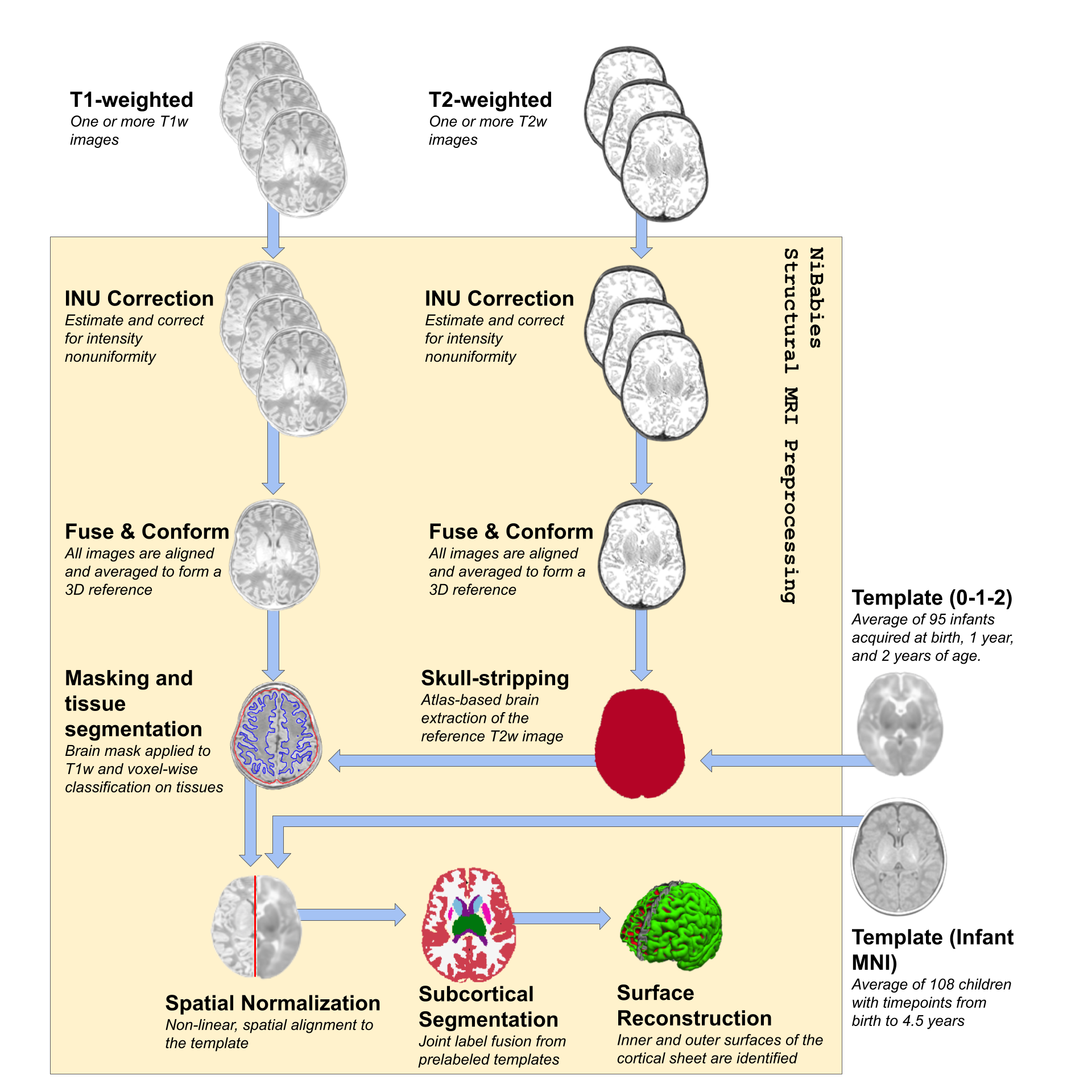
fMRIPrep Lifespan - A robust, transparent workflow tailored for neonate and infant MRI
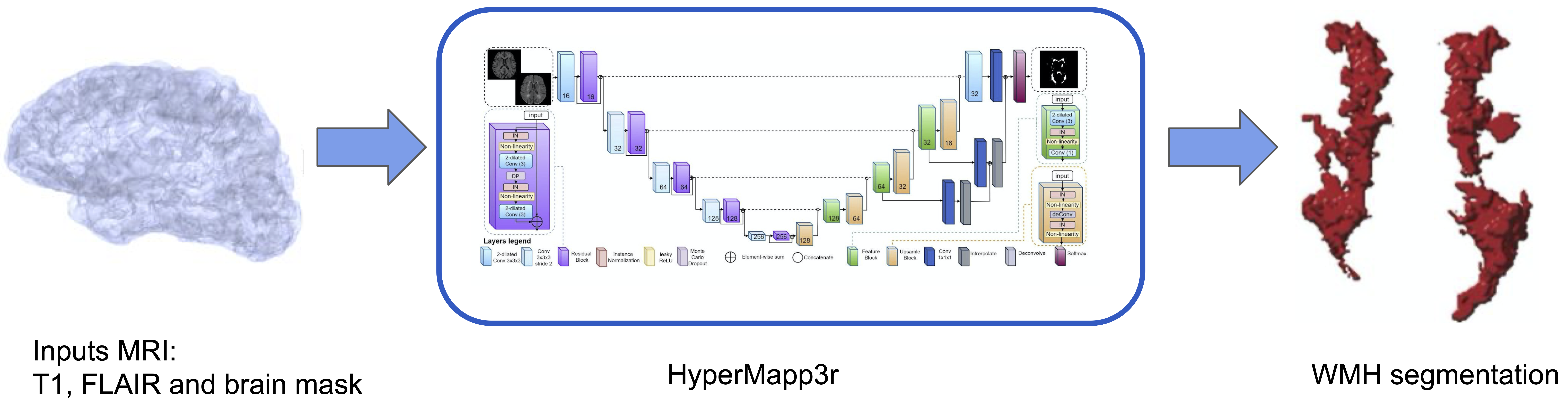
AICONSlab's white matter hyperintensities (WMH) segmentation algorithm using CNNs