Clouds-Against-Humanity
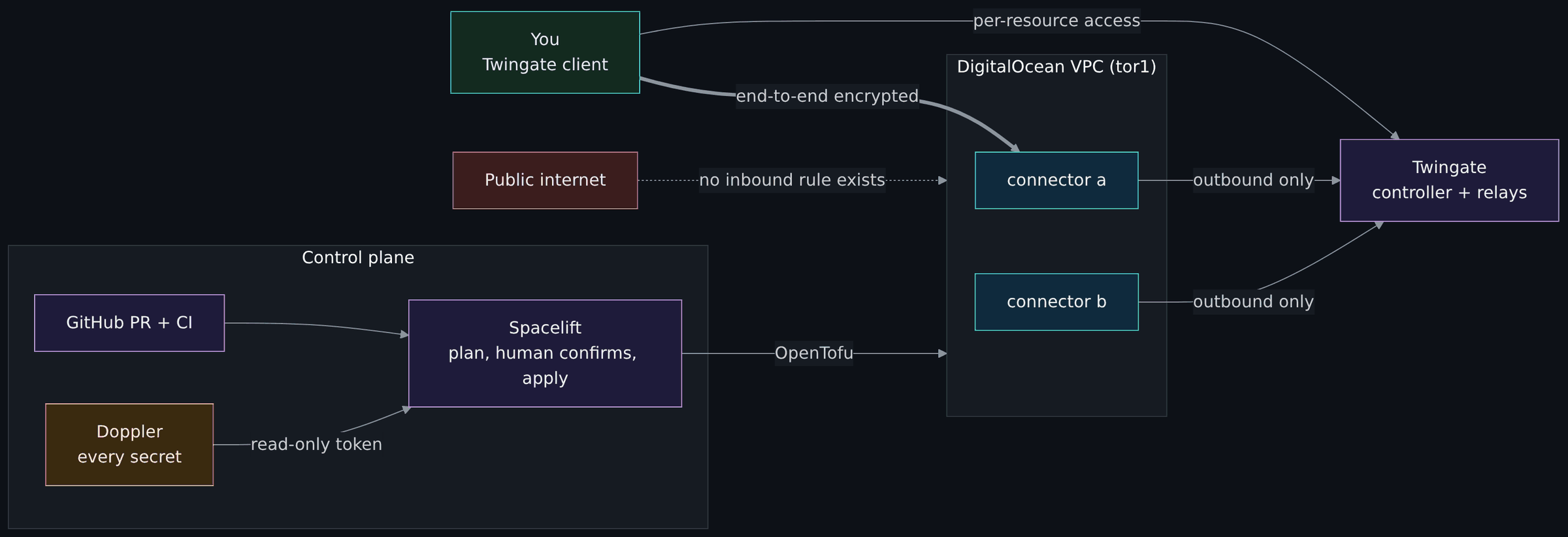
Learn cloud security by building it! An open-source homelab teaching Zero Trust, DevSecOps, IaC, and cloud architecture from the ground up.
- 3.2k
- Python
- Apache-2.0
- 60 min ago
A modular, stack-agnostic toolkit for AI coding agents to autonomously find, reproduce, and patch vulnerabilities.
A curated list of threat modeling resources (Books, courses - free and paid, videos, tools, tutorials and workshops to practice on ) for learning Threat modeling and initial phases of security review.
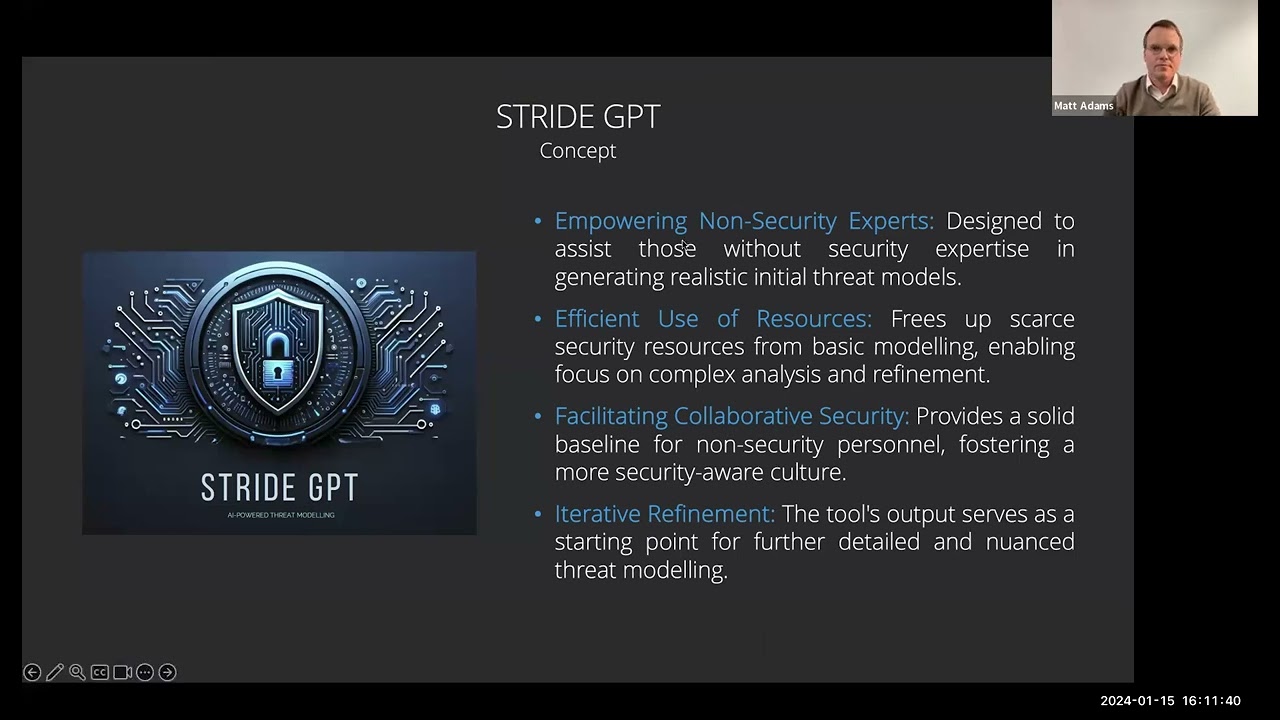
An AI-powered threat modeling tool that leverages OpenAI's GPT models to generate threat models for a given application based on the STRIDE methodology.
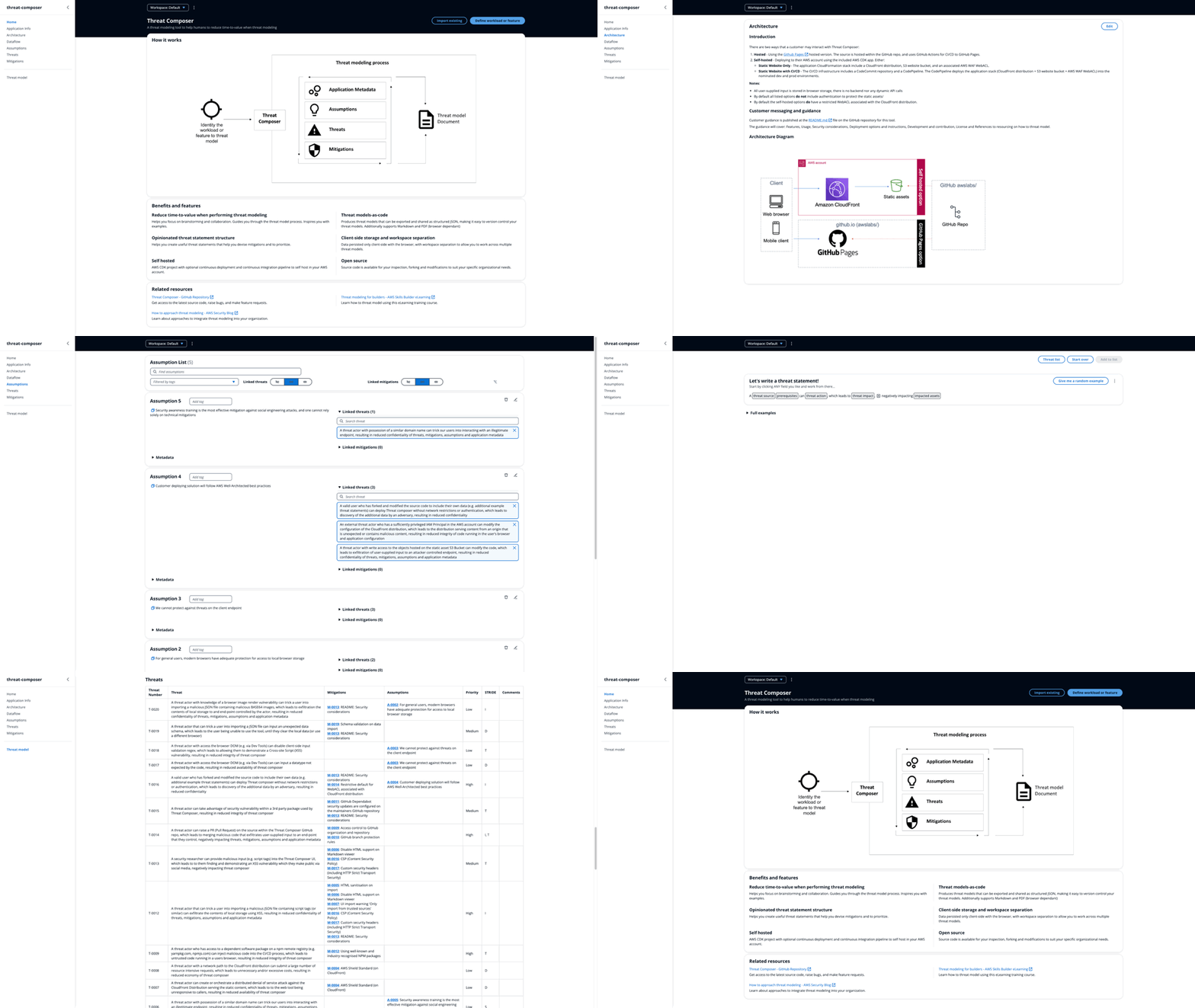
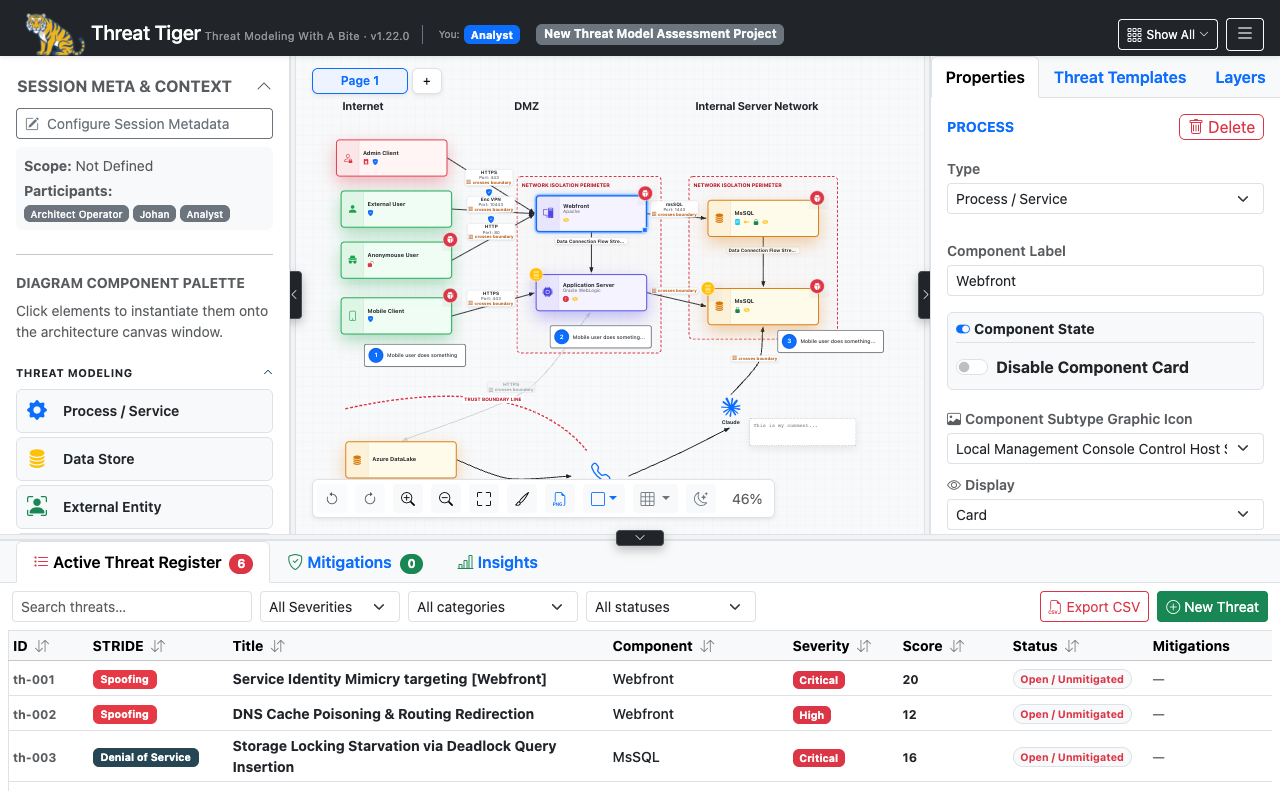
A simple threat modeling tool to help humans to reduce time-to-value when threat modeling
Threat modeling for AI coding agents: point Claude Code, Codex or any agent at your repo and get an evidence-traced threat model. 36 architectures, 29 methods, MIT.
A curated list of MLSecOps tools and resources for securing machine learning and AI systems - adversarial ML defense, LLM security, AI red teaming, model scanning, supply-chain protection, and MLOps pipeline security.
AI security review CLI: SAST, secret scanning, SCA, threat modeling and architecture review with Claude Code, Copilot, Codex, Gemini, Cursor or an API key. Reads your design docs, Confluence and Jira through MCP. SARIF output for CI.
A CLI tool for threat modeling and visualizing AI agents built using popular frameworks like LangGraph, AutoGen, CrewAI, and more.
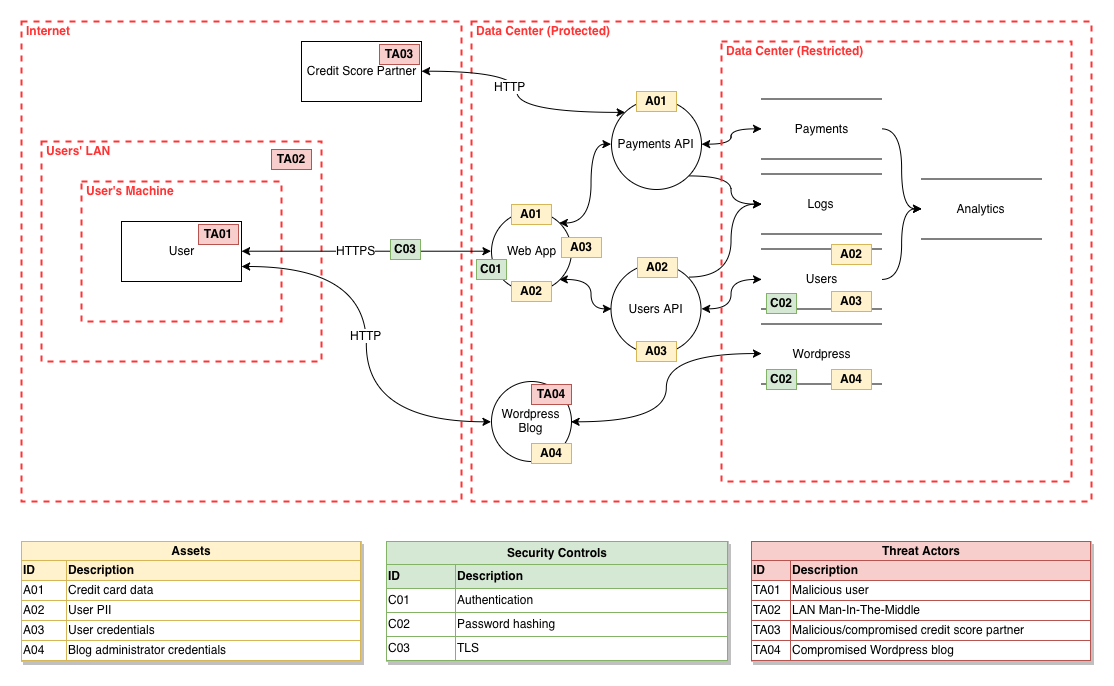
The Open Threat Modeling Format (OTM) defines a platform independent way to define the threat model of any system.
I developed a rigorous cybersecurity project portfolio on mock clients covering NIST, audits, Linux, SQL, assets, threats, vulnerabilities, detection, incident response, escalation, Wireshark, tcpdump, IDS (Suricata), SIEM (Splunk, Chronicle), and Python automation.
Raw data from Threat Intelligence Reports with automatic reports collection and keyword search across thousands of reports
An open-source knowledge base of defensive countermeasures to protect AI/ML systems. Features interactive views and maps defenses to known threats from frameworks like MITRE ATLAS, MAESTRO, and OWASP.
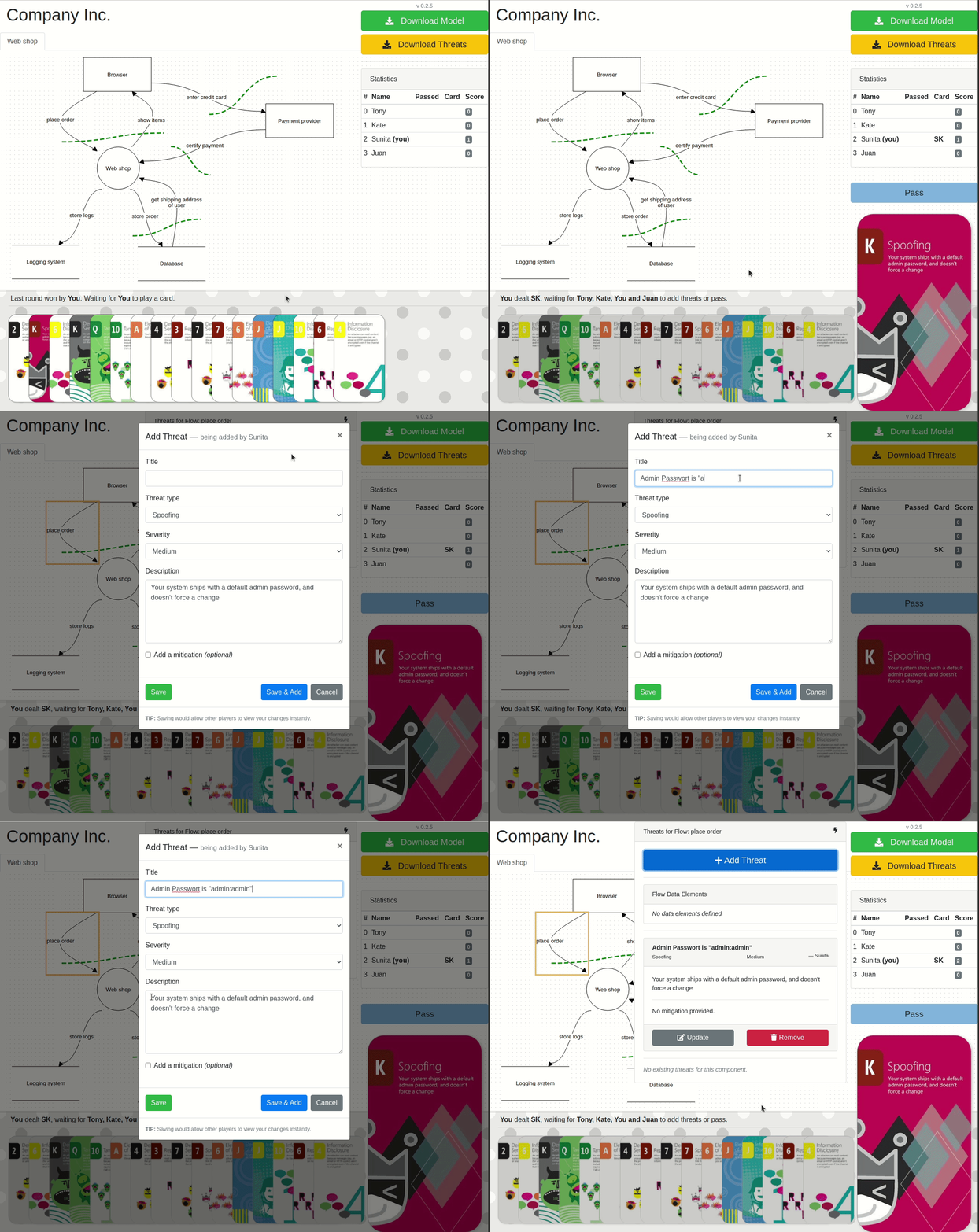
An online multiplayer version of the threat modeling card games: Elevation of Privilege (EoP), OWASP Cornucopia, OWASP Cumulus, and Elevation of MLsec.
Analyze how LLM model routers can be hacked and how to secure them.
The source files and tools needed to build the OWASP Cornucopia decks in various languages
Easy-to-use Threat modeling-as-a-Code (TaaC) solution following DevSecOps principles. Simple CI/CD integration as well as console usage. Sugar-Free and Secure: no any external dependencies except for chart plotting are used
StartLeft is an automation tool for generating Threat Models written in the Open Threat Model (OTM) format from a variety of different sources such as IaC files, diagrams or projects exported from Threat Modelling tools.
Agent-powered red team testing workbench with asset mapping, threat modeling, multi-agent workflows, cloud assessment, reports and MCP.
AATMF | An Open Source - Adversarial AI Threat Modeling Framework
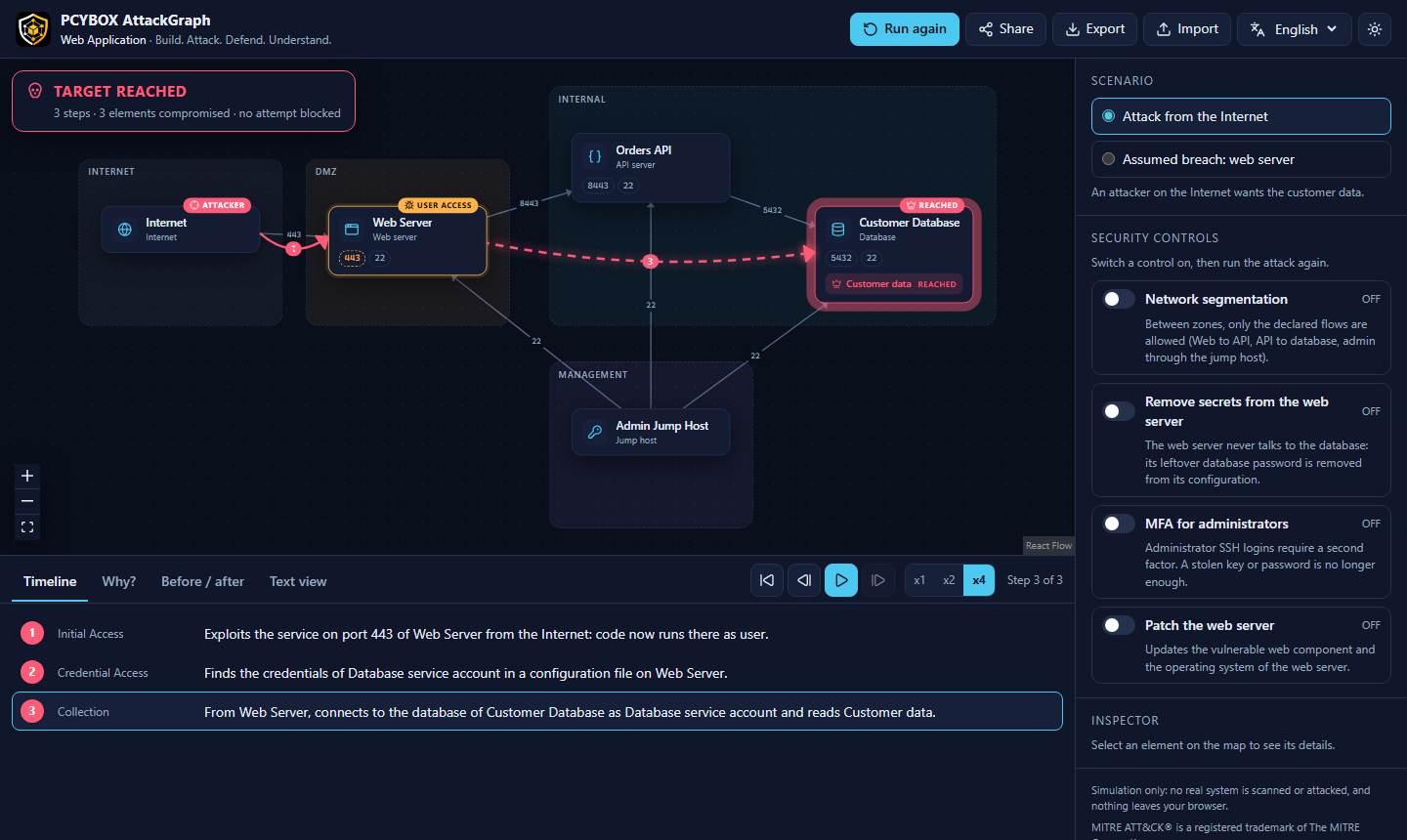
Open source browser lab to build a simulated infrastructure, watch an attack move through it, and check whether your defense works.
Collection of mine and others presentations on various topics like application security, python, cloud security, DevSecOps and so on... These are free to use and publicly available slides. But, don't forget to give the credit to the owners!
Engineering best practices that AI coding agents actually apply — 40+ skills, from secure coding and cloud to compliance and UX writing. BUILD + AUDIT modes. Measured: best-practice coverage 59% → 98% vs. the same model unguided.
An AI-Powered Privacy Threat Modeling tool based on the LINDDUN framework by leveraging Large Language Models.
This directory focuses exclusively on Threat Modeling Tools—software, code, libraries, or services that automate, guide, or support the design-time threat modeling process.
Object detection model, used with ultralytics.