litstudy
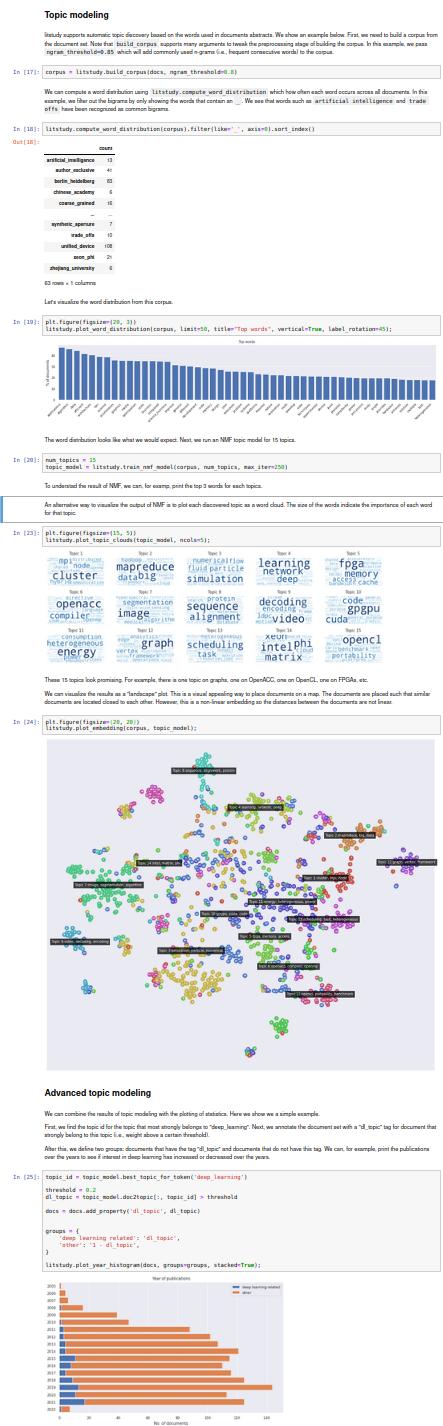
LitStudy: Using the power of Python to automate scientific literature analysis from the comfort of a Jupyter notebook
- 229
- Python
- Apache-2.0
- 18 mo ago
Open-source research intelligence for CS papers — track what matters, who drives it, what to read first, and where the research gaps are.
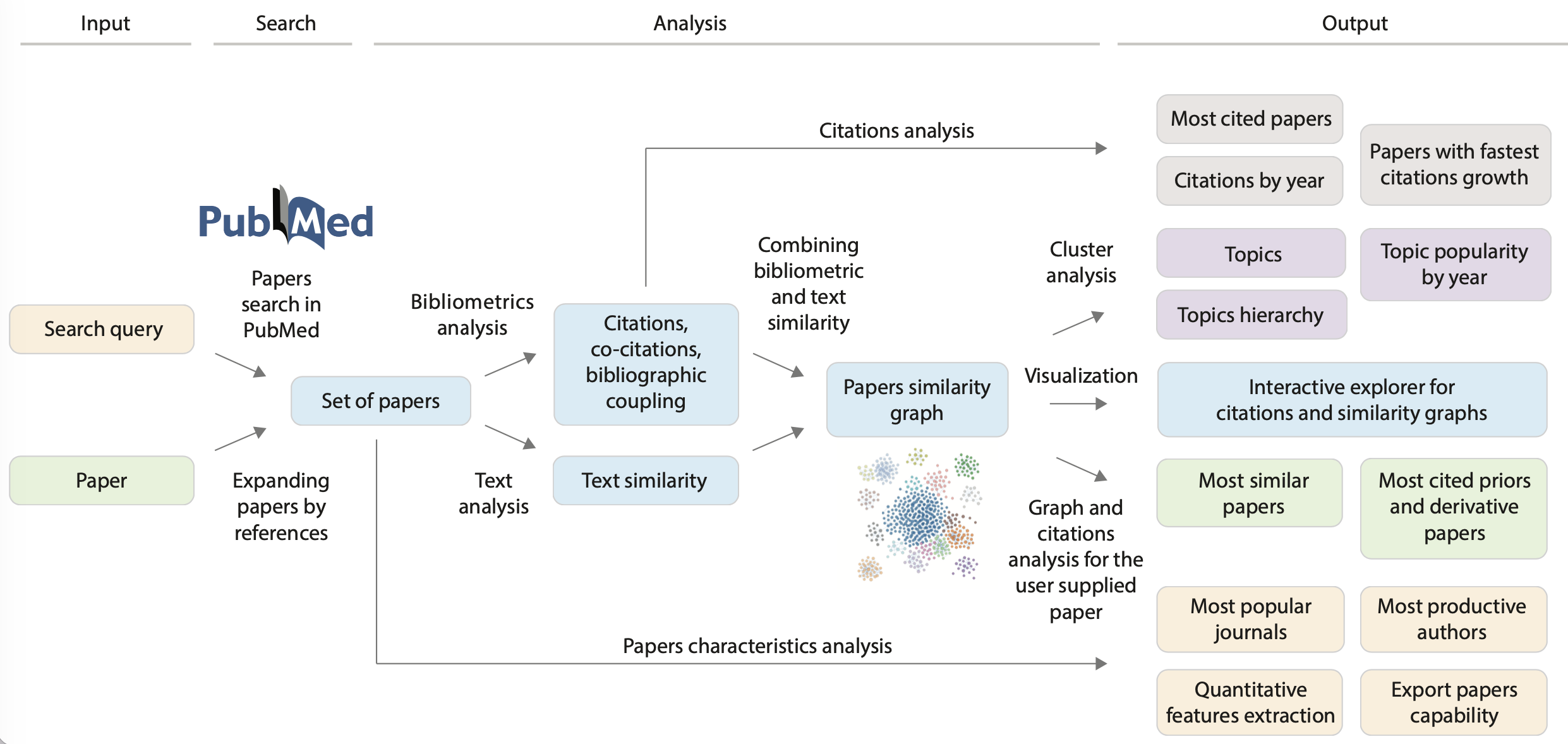
Scientific literature explorer. Runs a Pubmed or Semantic Scholar search and allows user to explore high-level structure of result papers
Discover the citing papers that matter most — ranked by impact, relevance, and influence
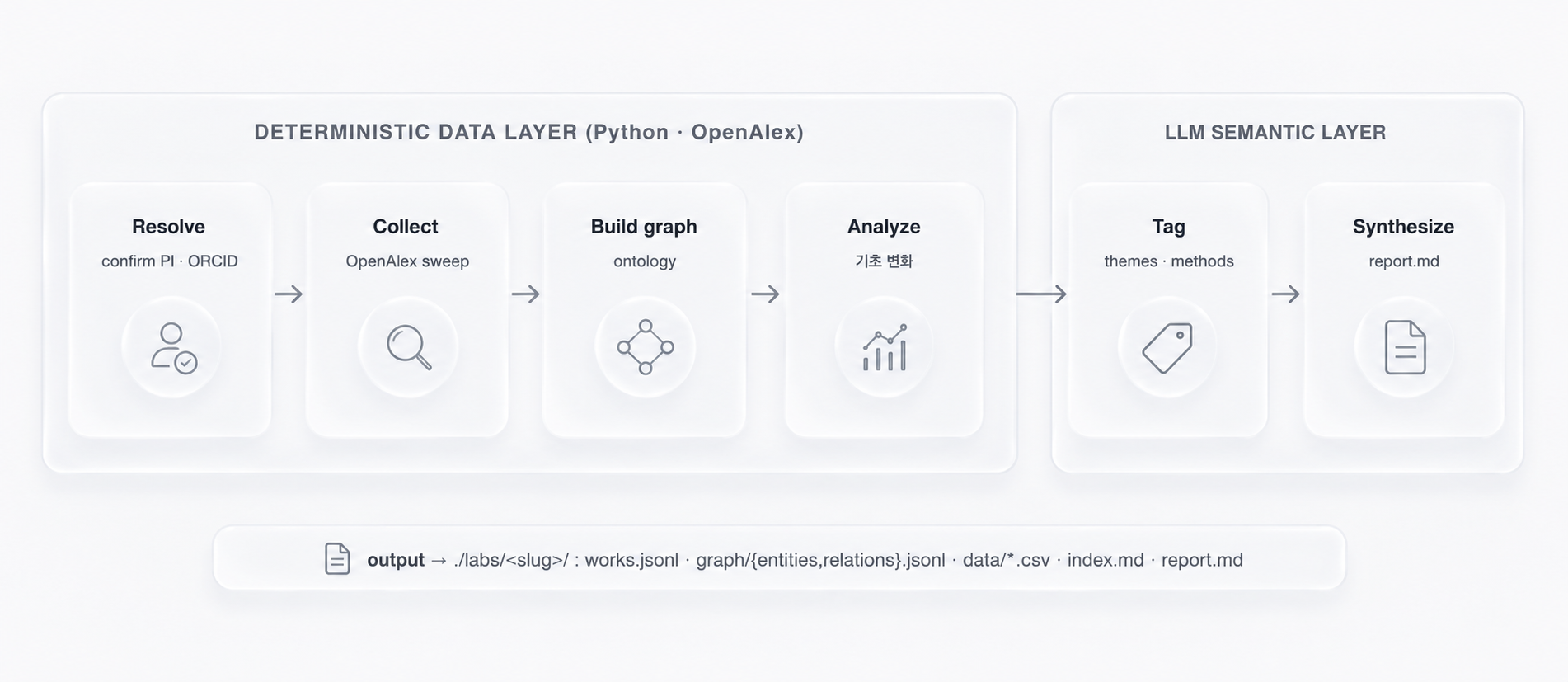
Profile a research lab over the last N years — collect every paper from OpenAlex, build a temporal knowledge graph (ontology), and synthesize a grounded evolution report. A Claude Code skill (sibling to scholar-megasearch).
LitRank: Literature Review for Google Scholar. Free browser extension: journal quartiles (Q1–Q4) and SJR scores on Google Scholar, Scopus and Web of Science, a PRISMA-S search log for systematic reviews, and Google Scholar profile analysis. Chrome, Firefox, Edge.
Access the OpenAlex academic research catalog — 270M+ publications — via MCP. STDIO or Streamable HTTP.
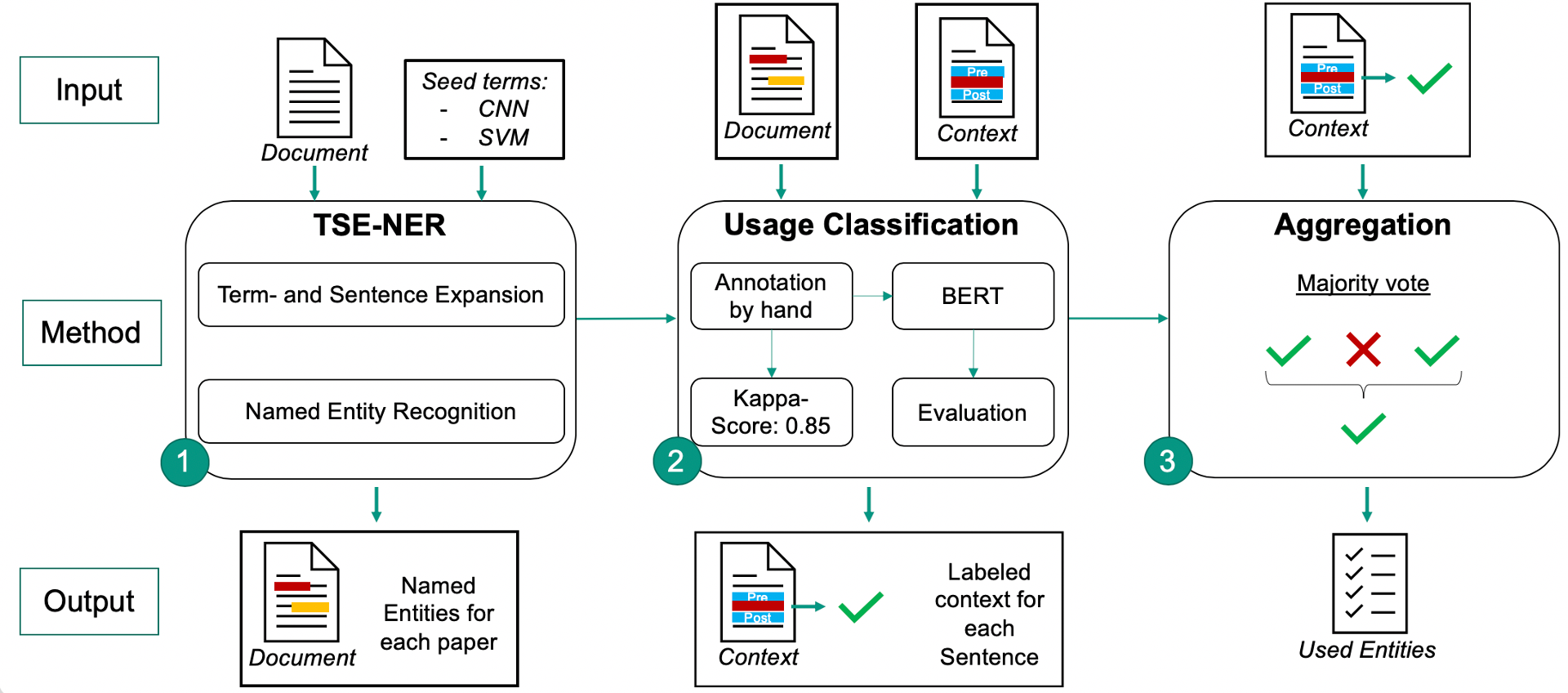
Identifying Used Methods and Datasets in Scientific Publications
📚 BibExplorer: a tool to process curricula, extract article meta-data from various APIs, and calculate bibliometric indicators.
A computational meta-analysis of the Active Inference literature. An automated LLM pipeline extracts assertions from 849 papers across theory, tools, and domains, structuring them as nanopublications. By mapping these into a citation-weighted knowledge graph, this project provides a reproducible, living review of hypothesis-level consensus.
This repository includes Python programs designed to automate the process of assessing library electronic journal collections.
Resolve DOIs, search ~188M scholarly works, and fetch references via the Crossref REST API. STDIO or Streamable HTTP.
Useful SQL queries for University of Michigan research cores, centers, institutes and labs, including queries to report on publications and grants.
Data and code for Mapping bioimage-analysis software adoption in microscopy (mentions of 30 packages in 1.7 million full-text microscopy papers, 2010-2025)
Where should I submit this paper? Answered from cited soft metadata — enforced word limits, fees, how reviewers treat your method — not model recall. An AI does the first pass (a source URL per fact, or a blank with a reason); people add what only they know. Open agent skill + web demo. Code ranks; no model does.
University of Colorado Cancer Center PubMed Grader — append NIH iCite metrics to a CSV of PubMed IDs and surface a summary dashboard.
Turn one paper into an interactive map of the research around it. Fuses Semantic Scholar citations with embedding similarity via a local CLI
PubMatrixR is an R package that performs systematic literature searches on PubMed and PMC databases using pairwise combinations of search terms. It creates co-occurrence matrices showing the number of publications that mention both terms from two different sets, enabling researchers to explore relationships between genes, diseases, pathways.
Open, reproducible evidence mapping for embodied intelligence in medical detection
Open research intelligence for academic research organizations. Builds your people, publications, grants, and clinical studies from public data (PubMed, NIH RePORTER, ClinicalTrials.gov, ORCID), links them with evidence people confirm, and adds expert finding, group pages, portfolio insight, researcher profiles, CVs, and NIH biosketches.
PubMatrixP is an Python version of R package PubMatrixR that performs systematic literature searches on PubMed and PMC databases using pairwise combinations of search terms. It creates co-occurrence matrices showing the number of publications that mention both terms from two different sets, enabling to explore relationships between term