ThreadRace
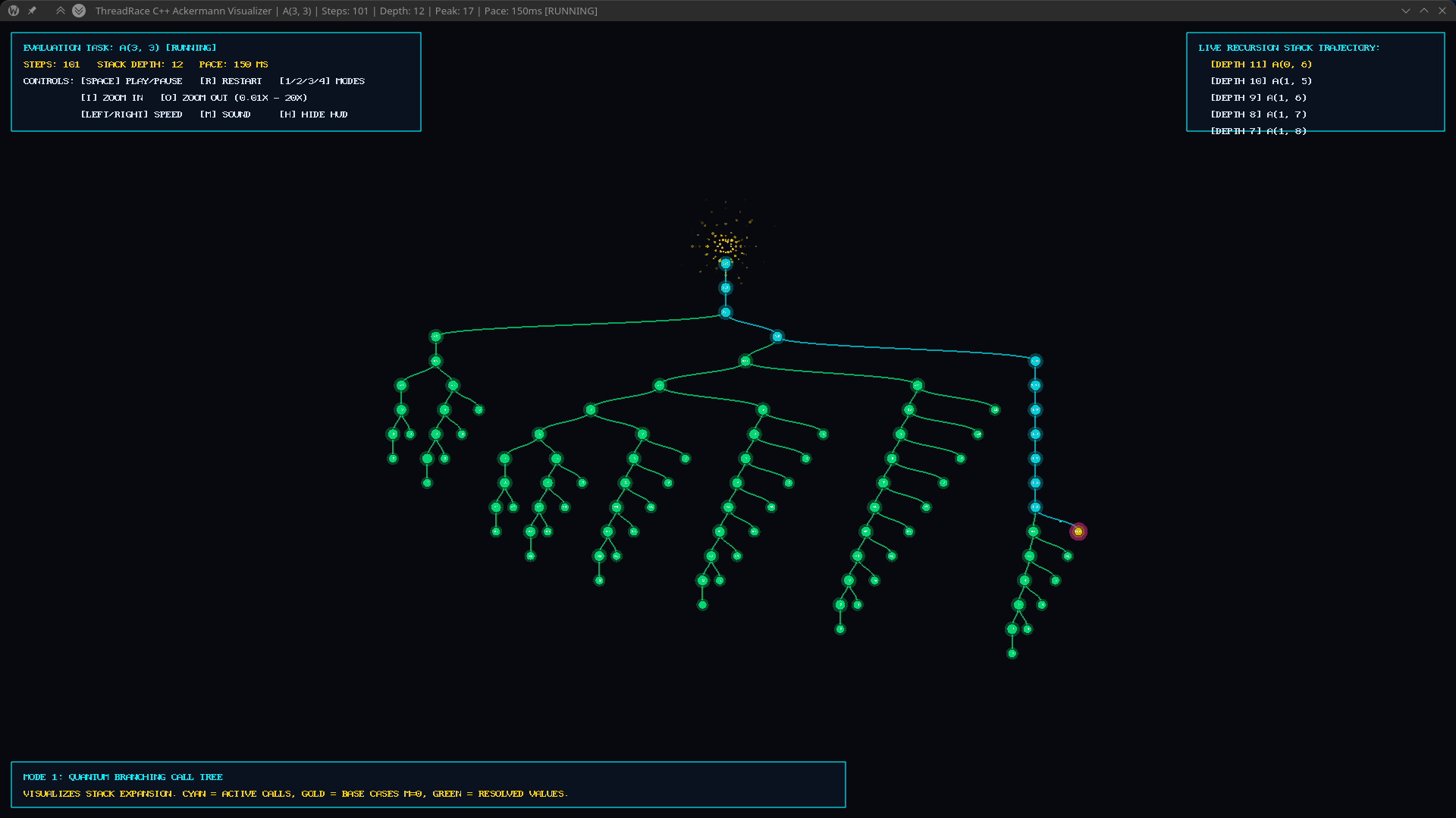
Quantifying the pulse of parallelism: A C++ concurrency telemetry framework measuring the human-perceived efficiency of concurrent execution strategies.
- 4.7k
- C++
- MIT
- 4 mo ago
Quantifying the pulse of parallelism: A C++ concurrency telemetry framework measuring the human-perceived efficiency of concurrent execution strategies.
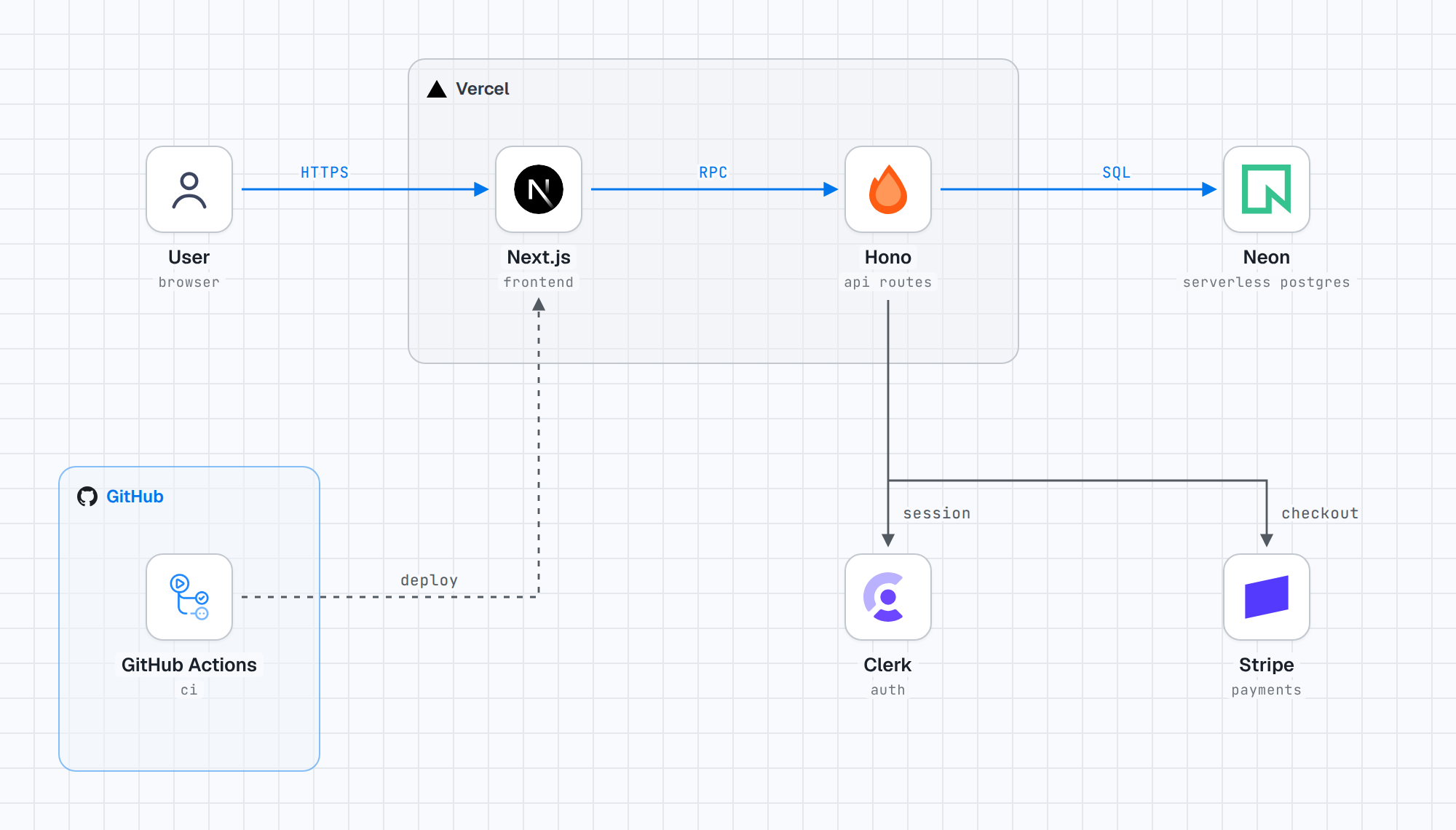
Agent skill: describe your stack in a sentence, get an architecture diagram with official logos
🟣 API Design interview questions and answers to help you prepare for your next software architecture and design patterns interview in 2026.
🟣 Databases interview questions and answers to help you prepare for your next software architecture and design patterns interview in 2026.
🟣 Software Architecture interview questions and answers to help you prepare for your next software architecture and design patterns interview in 2026.
🟣 Microservices interview questions and answers to help you prepare for your next software architecture and design patterns interview in 2026.
🟣 Concurrency interview questions and answers to help you prepare for your next software architecture and design patterns interview in 2026.
🟣 Docker interview questions and answers to help you prepare for your next software architecture and design patterns interview in 2026.
🟣 Kubernetes interview questions and answers to help you prepare for your next software architecture and design patterns interview in 2026.
The animated diagram editor AI agents can draw on. Animated technical diagrams (architecture, sequence, BPMN, cloud icons) built by you and your agent together on the same live canvas, via WebMCP. Open-source, local-first.
🟣 Caching interview questions and answers to help you prepare for your next software architecture and design patterns interview in 2026.
🟣 Nosql interview questions and answers to help you prepare for your next software architecture and design patterns interview in 2026.
🟣 Cryptography interview questions and answers to help you prepare for your next software architecture and design patterns interview in 2026.
🟣 Load Balancing interview questions and answers to help you prepare for your next software architecture and design patterns interview in 2026.
🟣 Domain Driven Design interview questions and answers to help you prepare for your next software architecture and design patterns interview in 2026.
🟣 Cap Theorem interview questions and answers to help you prepare for your next software architecture and design patterns interview in 2026.
🟣 Layering And Middleware interview questions and answers to help you prepare for your next software architecture and design patterns interview in 2026.
🟣 Service Oriented Architecture interview questions and answers to help you prepare for your next software architecture and design patterns interview in 2026.
🟣 Availability And Reliability interview questions and answers to help you prepare for your next software architecture and design patterns interview in 2026.
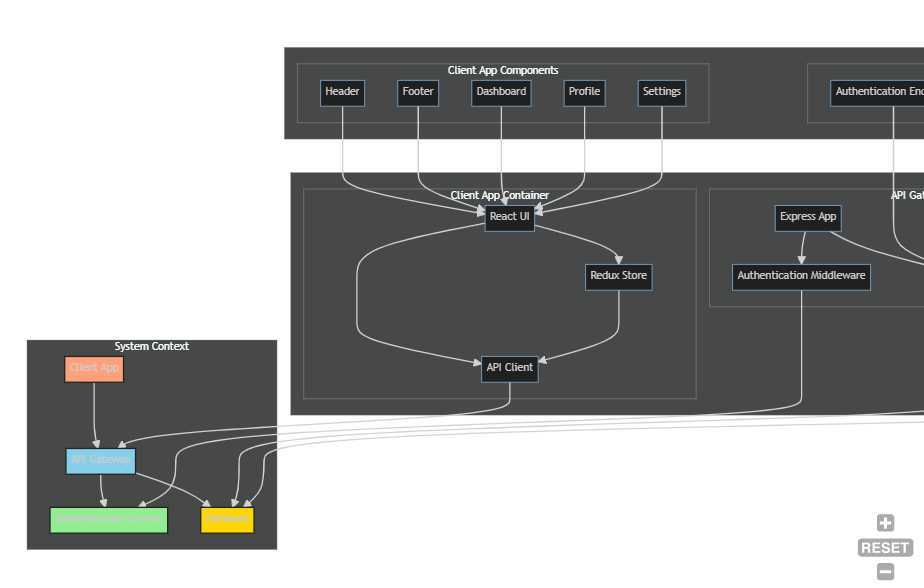
A detailed C4 diagram for a Library Management System
🟣 Reactive Systems interview questions and answers to help you prepare for your next software architecture and design patterns interview in 2026.
A cutting-edge AI-powered phone agent designed for seamless voice interactions, dynamic data handling, and scalable communication. Perfect for modern sales and customer engagement solutions.
🟣 XML interview questions and answers to help you prepare for your next software architecture and design patterns interview in 2026.
A deterministic, fault-tolerant execution and semantic rollback engine for Autonomous AI Agents. Built for production-grade resilience, zero-allocation state management, and structural safety.
A practical 12-day roadmap for engineers who want to move from building AI features to designing production-ready AI systems.
Research paper on computer science foundations, intelligent systems, and the TACTIC framework for cross-layer trustworthy computing, covering AI, distributed systems, cybersecurity, auditing, and human-centered design.
A self-adaptive network model that generates internal data structures dynamically based on input patterns. Enhances system flexibility and intelligent responsiveness across various environments. 入力パターンに応じて内部データ構造を動的に生成し、システムの柔軟性と知的応答性を高める自己適応型ネットワークモデル。