reasoning-from-scratch
Implement a reasoning LLM in PyTorch from scratch, step by step
- 5.9k
- Jupyter Notebook
- Apache-2.0
- 3 wk ago
(ACL 2025 Main) Distilling RAG for SLMs from LLMs to Transfer Knowledge and Mitigate Hallucination via Evidence and Graph-based Distillation
Repo VILA-Lab/DRAG, read from GitHub 1 min ago. VILA-Lab has not joined Take My Repo.
VILA-Lab/DRAG is a public repo on GitHub by VILA-Lab. (ACL 2025 Main) Distilling RAG for SLMs from LLMs to Transfer Knowledge and Mitigate Hallucination via Evidence and Graph-based Distillation. It declares no license on GitHub. Public does not mean open source: without a license, nobody is granted the right to reuse it. It is written mainly in Python, has 36 stars and last changed on 2025-08-23. Nobody has reviewed it on Take My Repo yet, which says nothing about its quality. Read from GitHub on 2026-11-22.
VILA-Lab/DRAG is a public repo on GitHub by VILA-Lab. (ACL 2025 Main) Distilling RAG for SLMs from LLMs to Transfer Knowledge and Mitigate Hallucination via Evidence and Graph-based Distillation.
It declares no license on GitHub. Public does not mean open source: without a license, nobody is granted the right to reuse it.
Its maker has not tagged a system, so it is unknown here. Its README says what it needs.
Open "Take it" on its page: Take My Repo writes an install plan for your machine and hands it to your AI agent (Claude Code, Codex or Cursor), which asks you before each step. Take My Repo has not tested it on any machine.
Its last change on GitHub was on 2025-08-23. GitHub counts 1 open issue and pull requests. Take My Repo does not judge from that whether it is maintained.
Nobody has reviewed it on Take My Repo yet, which says nothing about its quality.
Implement a reasoning LLM in PyTorch from scratch, step by step
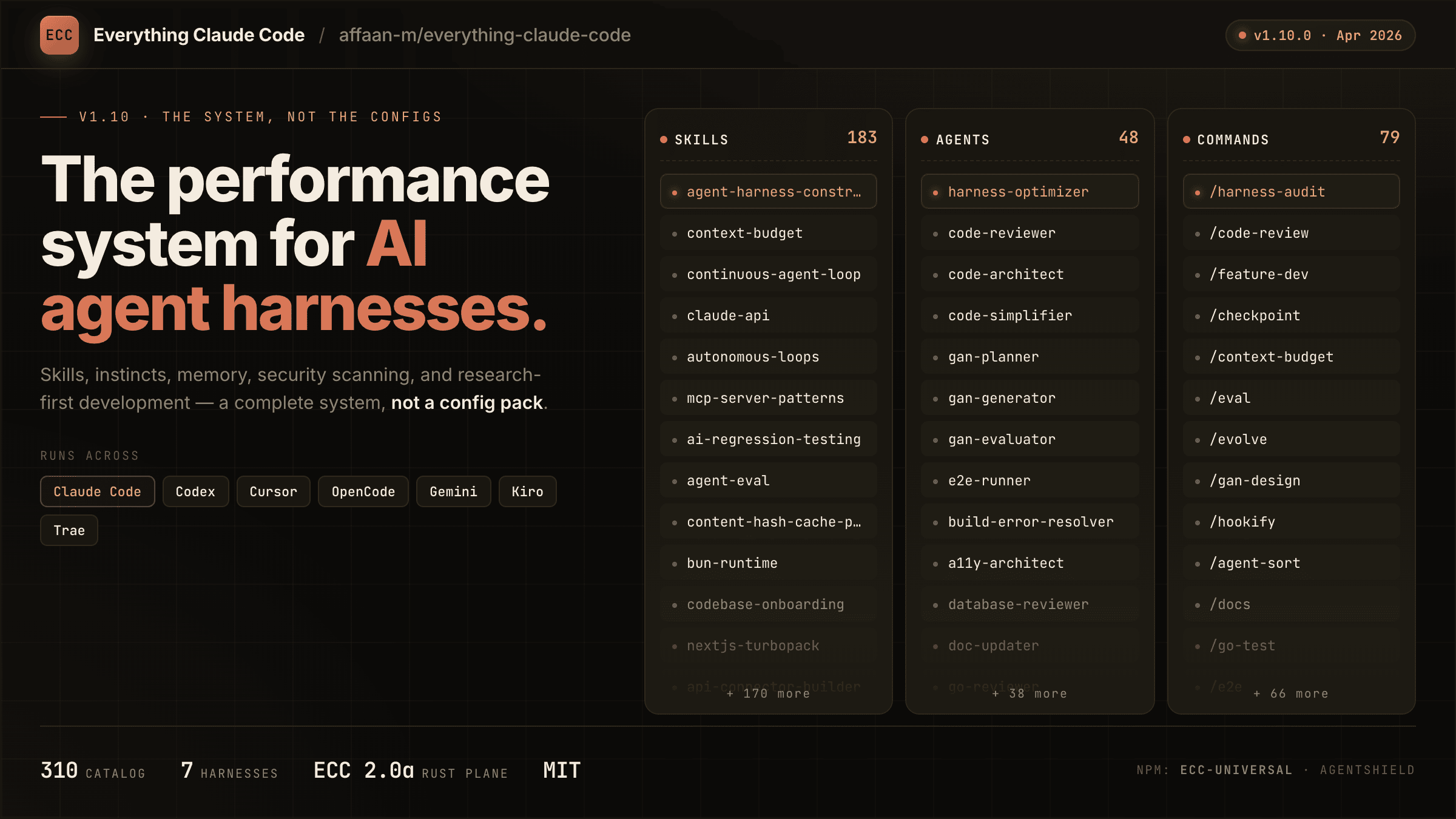
The agent harness performance optimization system. Skills, instincts, memory, security, and research-first development for Claude Code, Codex, Opencode, Cursor and beyond.
🤗 Transformers: the model-definition framework for state-of-the-art machine learning models in text, vision, audio, and multimodal models, for both inference and training.
A unified inference and post-training framework for accelerated video generation.
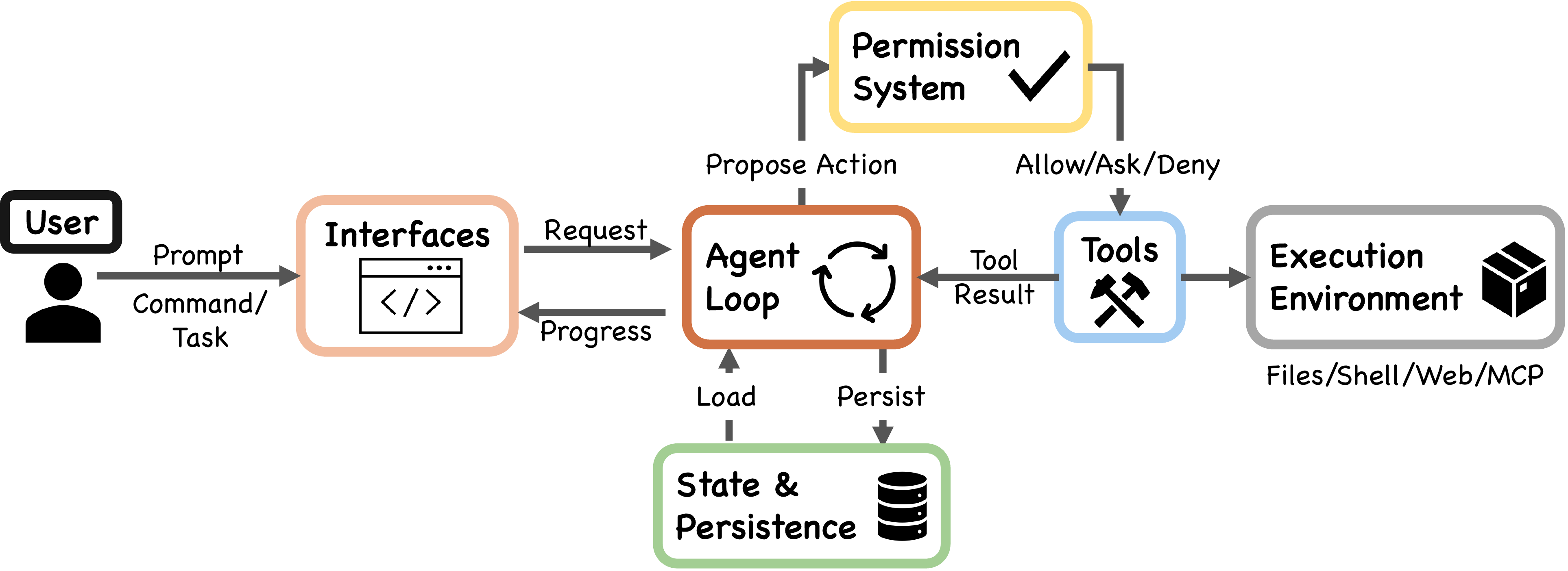
A Systematic Analysis and Discussion of Claude Code for Designing Today's and Future AI Agent Systems
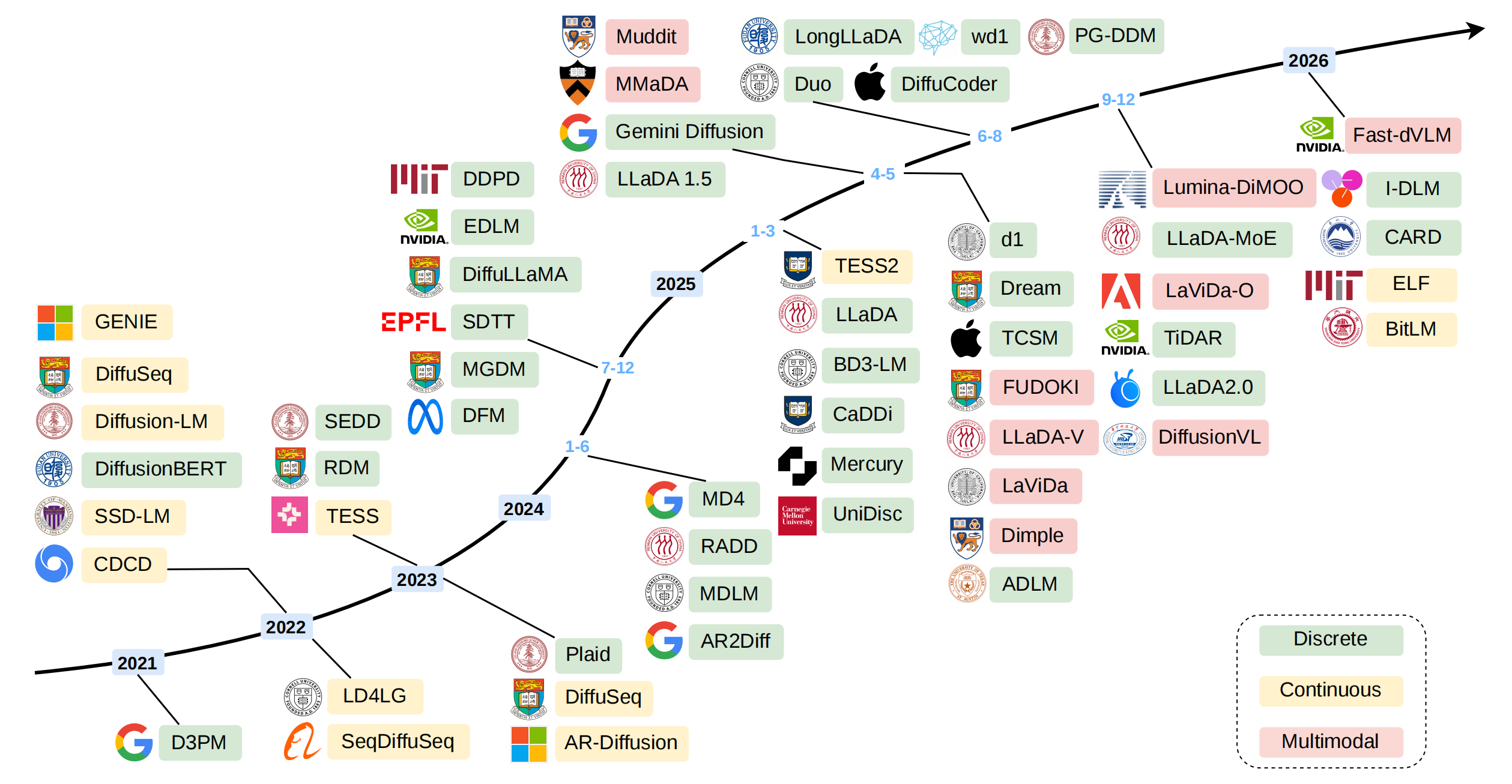
The official GitHub repo for the survey paper "A Survey on Diffusion Language Models".
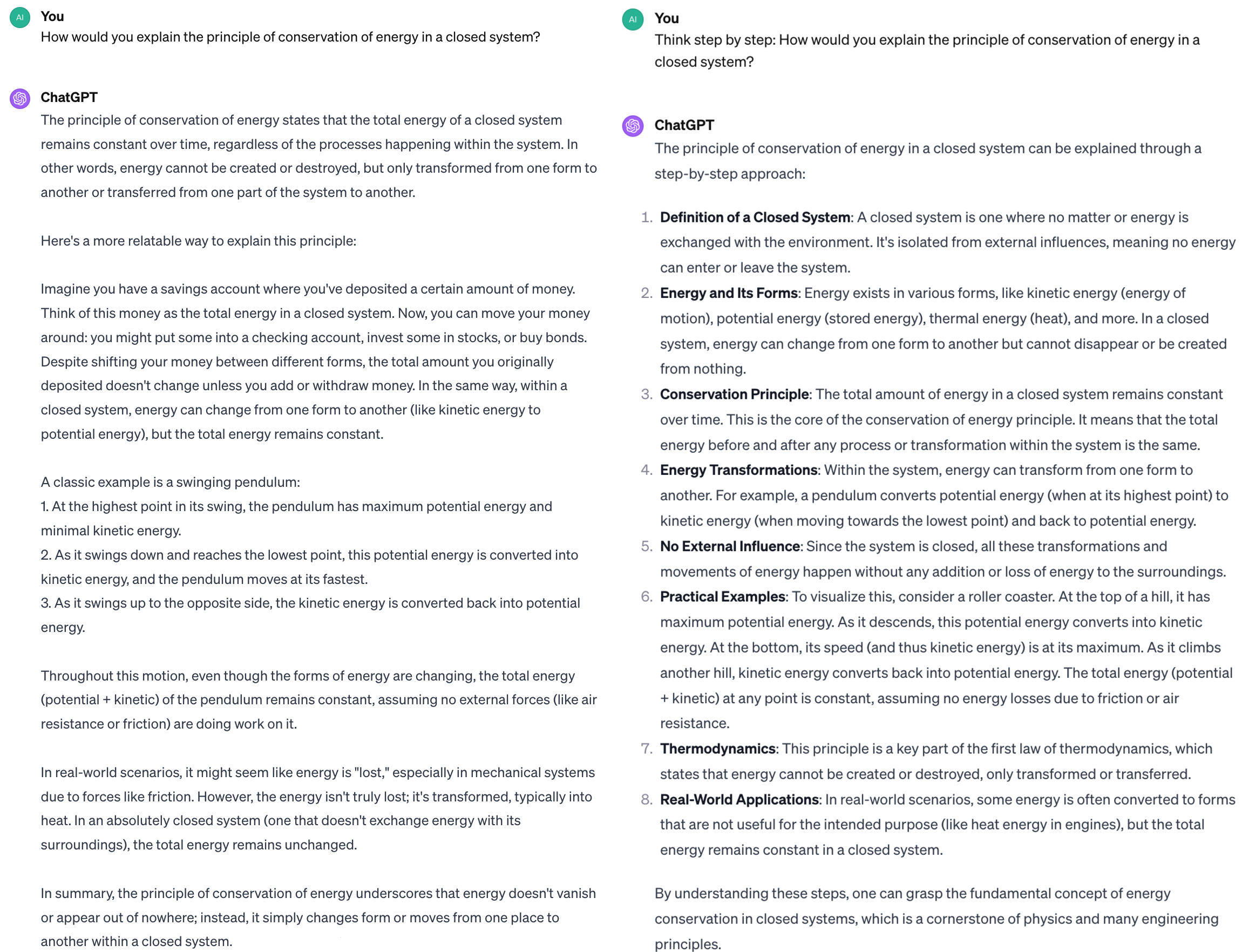
A principled instruction benchmark on formulating effective queries and prompts for large language models (LLMs). Our paper: https://arxiv.org/abs/2312.16171
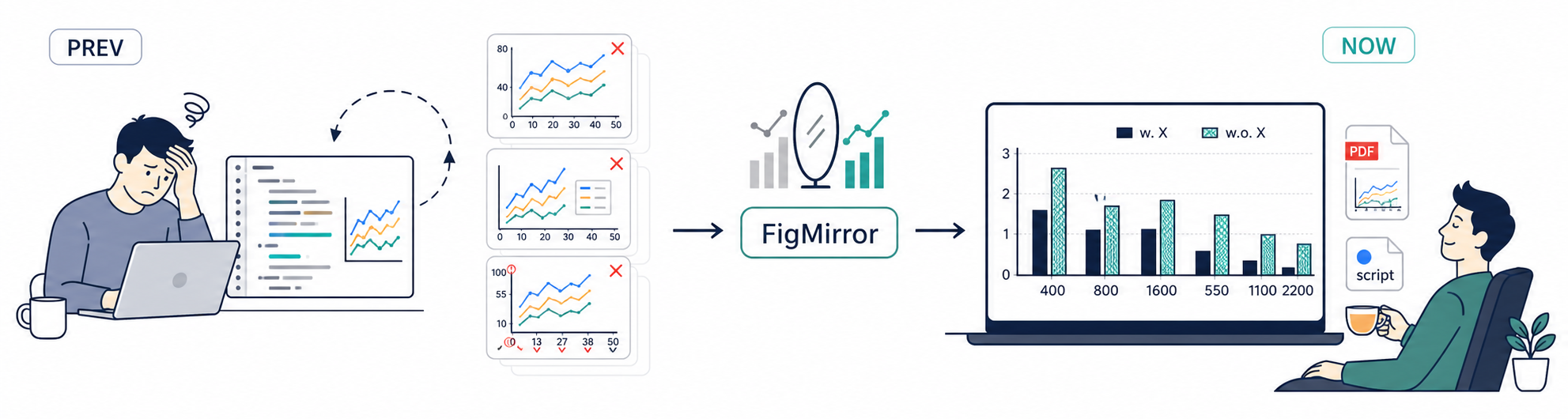
An Automated AI Agent Tool for Plotting Your Data in Any Paper's Figure Style.
(NeurIPS 2023 spotlight) Large-scale Dataset Distillation/Condensation, 50 IPC (Images Per Class) achieves the highest 60.8% on original ImageNet-1K val set.
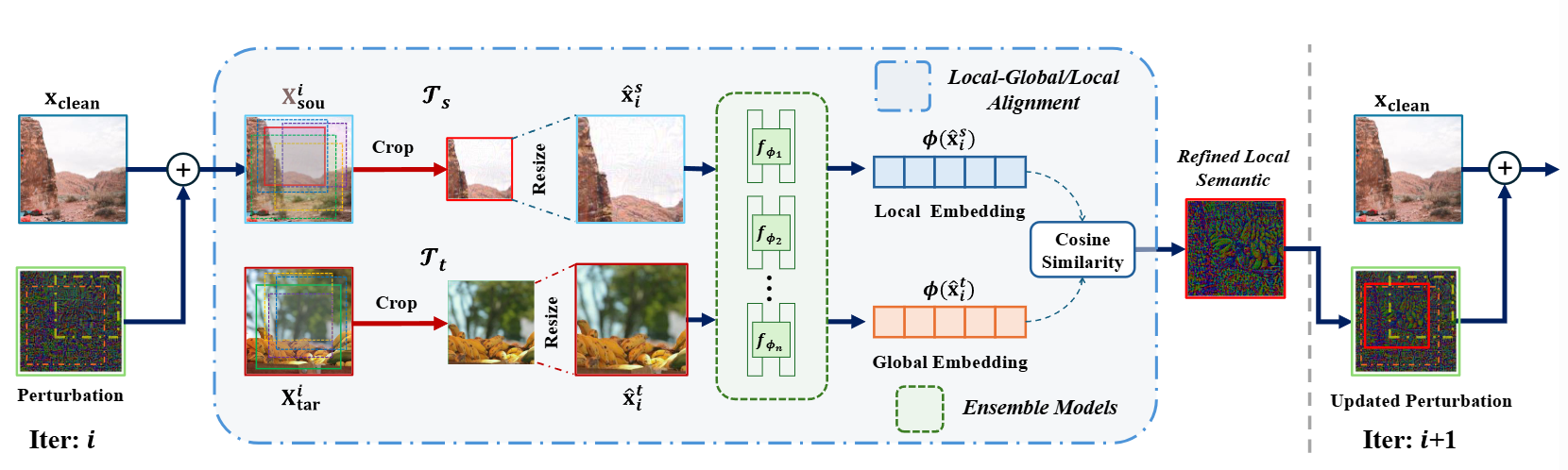
[NeurIPS25 & ICML25 Workshop on Reliable and Responsible Foundation Models] A Simple Baseline Achieving Over 90% Success Rate Against the Strong Black-box Models of GPT-4.5/4o/o1. Paper at: https://arxiv.org/abs/2503.10635