cs249r_book
Machine Learning Systems: Foundations, Scaling, Agentic AI, and Physical AI (Vols I–IV) • Harvard CS249r | https://mlsysbook.ai
- 30k
- Python
- 22 min ago
An open source quadruped robot pet framework for developing Boston Dynamics-style four-legged robots that are perfect for STEM, coding & robotics education, IoT robotics applications, AI-enhanced robotics application services, research, and DIY robotics kit development.
Agent Skills for NVIDIA products — install into Claude Code, Codex, and other coding agents to run Physical AI, robotics, simulation, CUDA, and RAG workflows end to end.
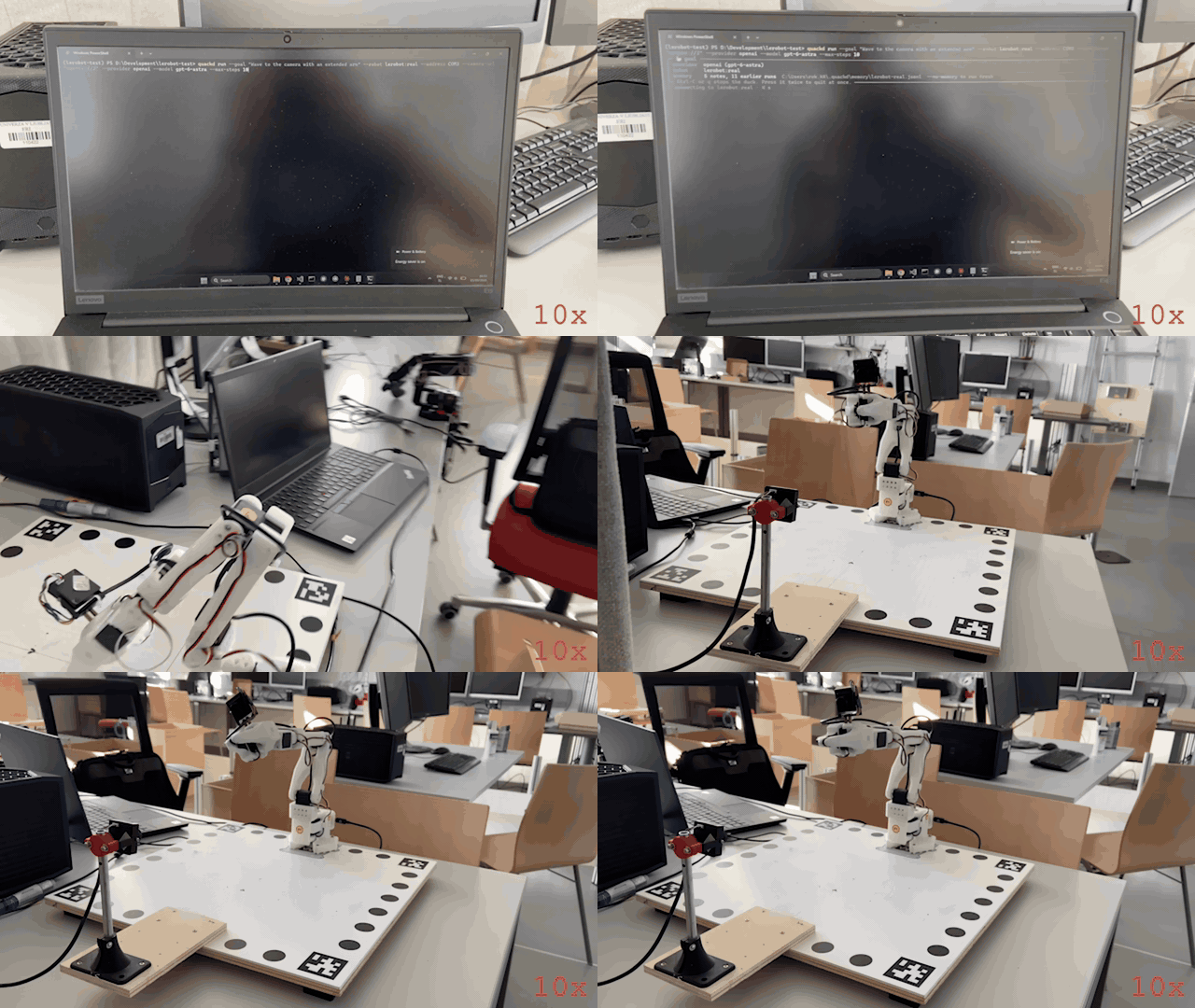
PAROL6: open-source 3D-printed 6-axis desktop robot arm. BOM, STL and STEP files, firmware and build instructions.
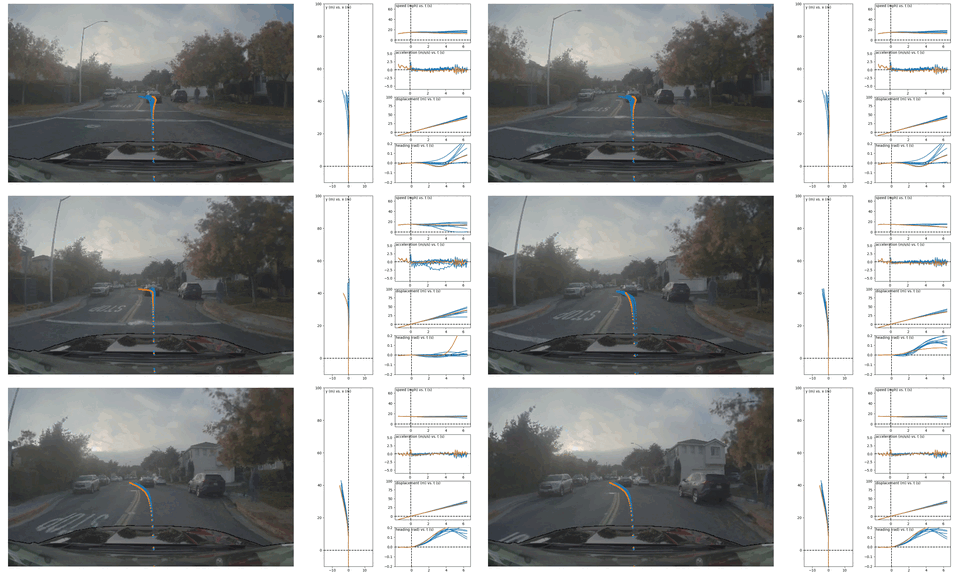
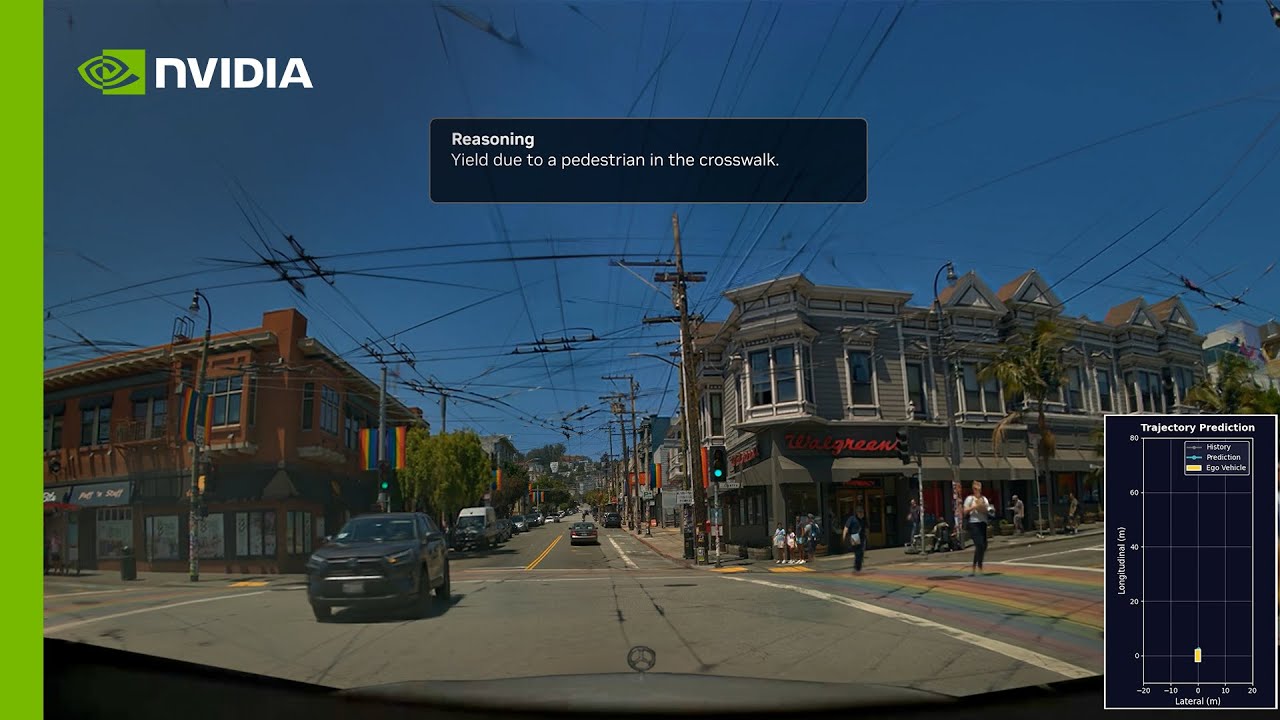
NVIDIA Alpamayo 1 Nano is an open 10B reasoning VLA model for autonomous vehicles that pairs driving trajectories with Chain-of-Causation reasoning.
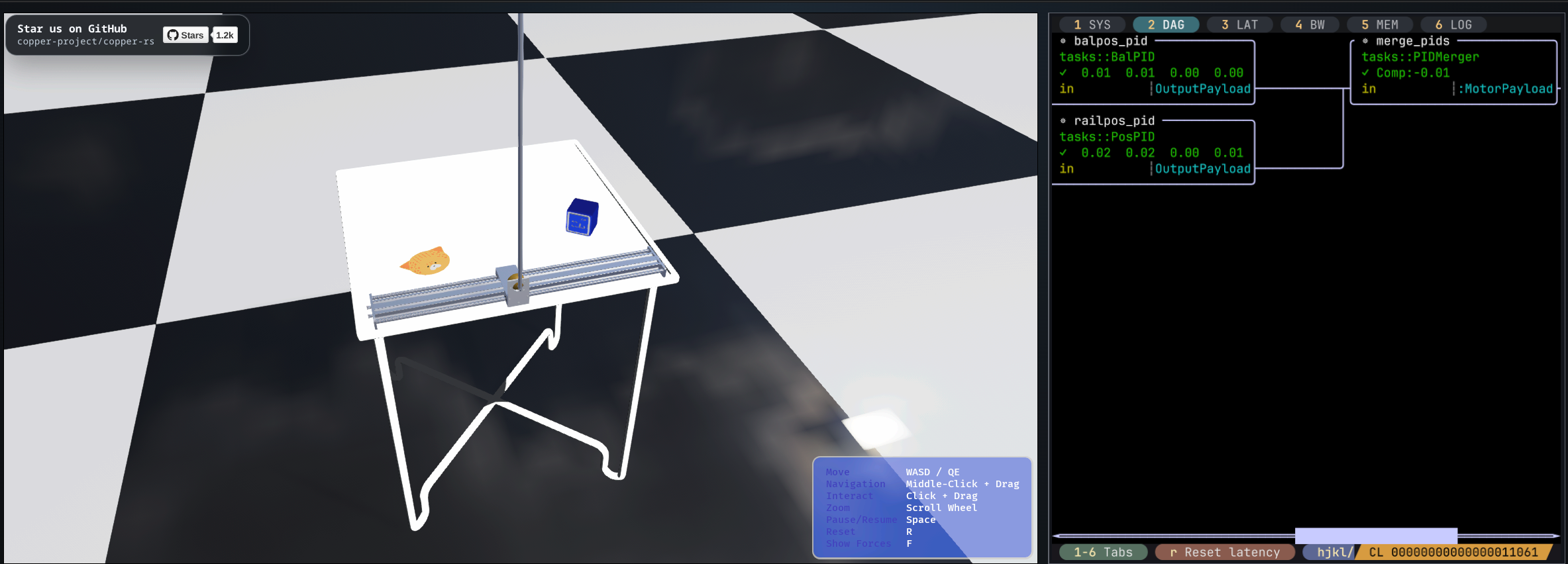
Copper is an operating system for robots - build, run, and replay your entire robot deterministically.
A programmable and highly maneuverable robotic cat for STEM education and AI-enhanced services.
AlpaSim is an open-source autonomous vehicle simulation platform designed for development and testing of end-to-end AV policies
IoT DC3 — Connect the Physical World to AI. An open-source Industrial IoT Runtime for Physical AI: 36 protocol drivers, edge-to-cloud data delivery, and an MCP tool gateway so AI agents act on devices in a safe, controllable, traceable loop.
Open source evals for physical AI. Run any LLM/VLA on any arm/humanoid against any real/sim benchmark.
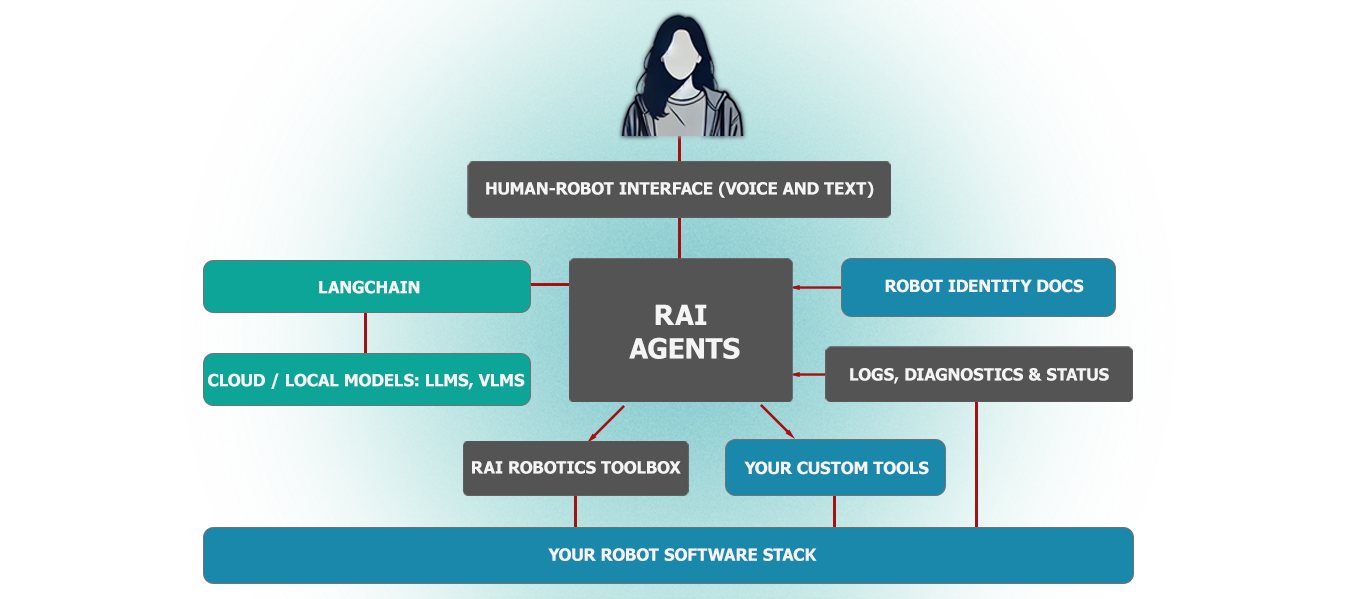
RAI is a vendor agnostic agentic framework for Physical AI robotics, utilizing ROS 2 tools to perform complex actions, defined scenarios, free interface execution, log summaries, voice interaction and more.
An ESP32-based open source quadruped robot pet framework for developing Boston Dynamics-style four-legged robots that are perfect for STEM, coding & robotics education, IoT robotics applications, AI-enhanced robotics application services, research, and DIY robotics kit development.
Best practices, reference architectures, and examples for distributed AI training and inference on AWS.
A curated list of academic papers and resources on Physical AI — focusing on Vision-Language-Action (VLA) models, world models, embodied ai, and robotic foundation models.
Devkit and documentation for the NVIDIA Physical AI Autonomous Vehicles Dataset
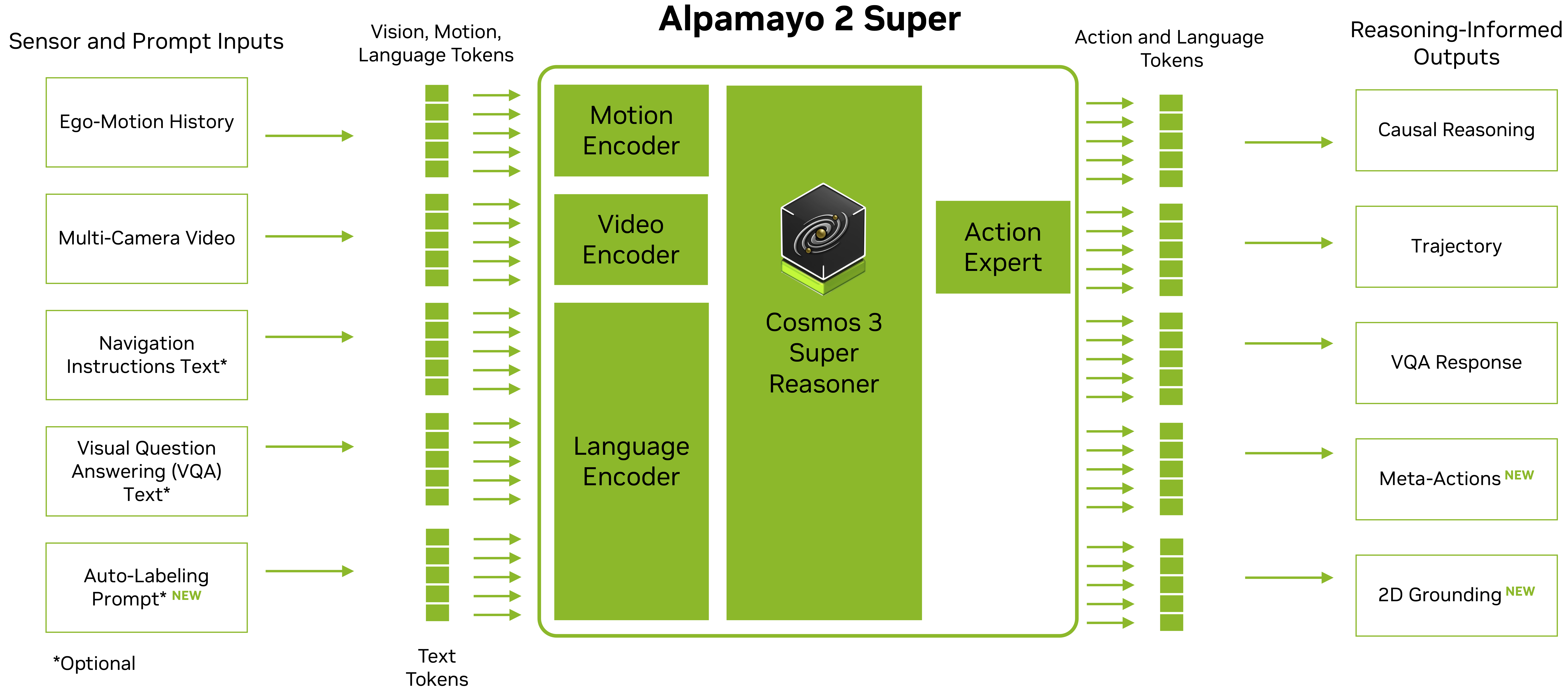
NVIDIA Alpamayo 2 Super is an open 34B multi-task foundation model designed to supercharge autonomous vehicle development.
Open-source MAVLink fleet operations for PX4: SITL, drone shows, search and rescue, cooperative autonomy, and field validation
NVIDIA Alpamayo 1.5 Nano is an open 10B reasoning VLA model for autonomous vehicles with reinforcement-learning enhanced reasoning, navigation guidance, and visual question answering.
An agentic robotics benchmark for coding agents: 1,156 robot tasks in 35 suites on 47 robots, each answered with a program and verified in a separate sandbox. Runs on Harbor.
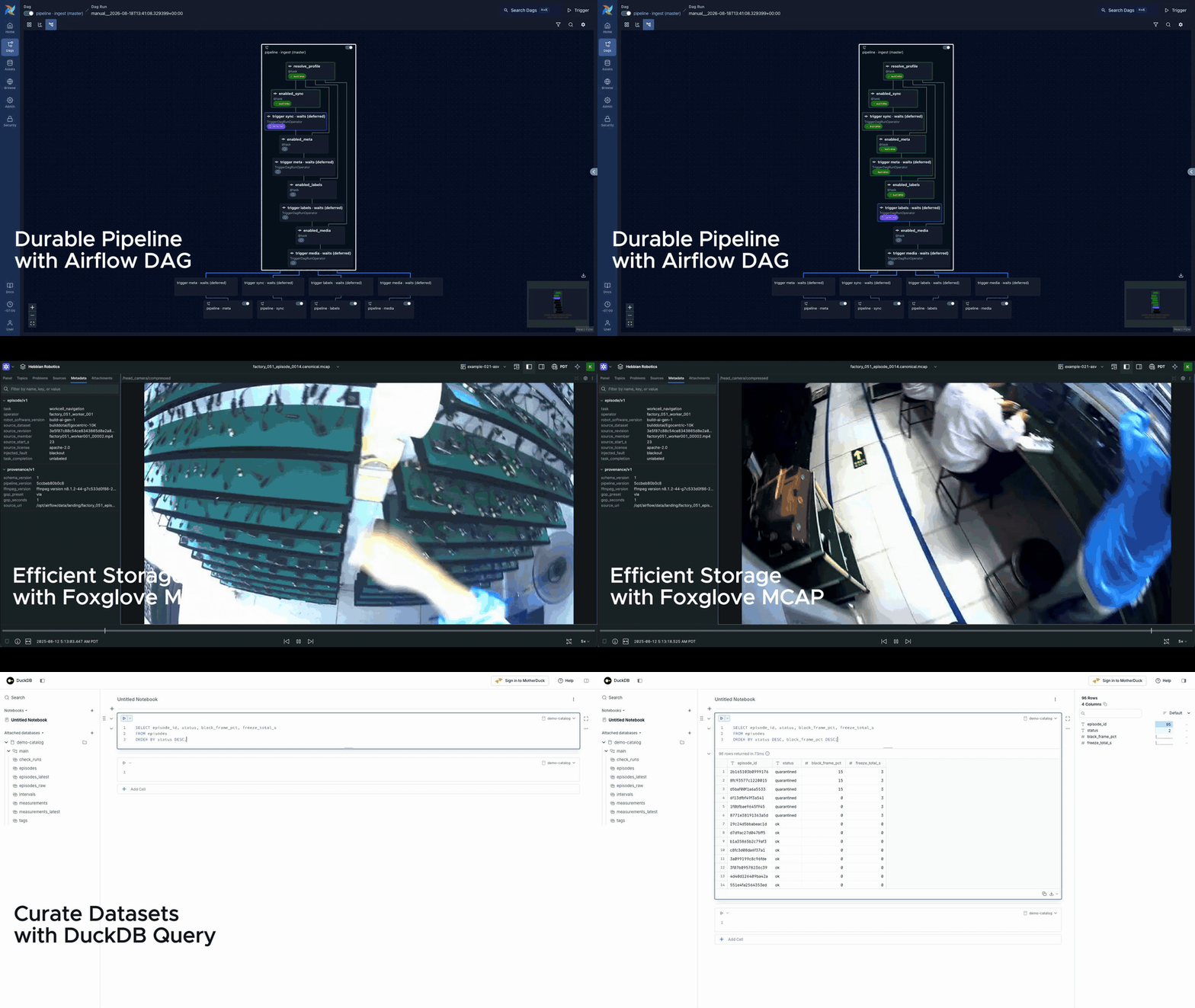
SDK for robotics teams to verify the quality of their data used for AI model training.
The communication layer between people and robots, and between robots. Talk to any robot in your own words, with an LLM for its brain. Robots that have never met check each other's passports and share the work. Microduck, Huebot, Open Duck Mini, LeRobot arms, XLeRobot carts, AlohaMini, ToddlerBot, MOSS, ROS bases and industrial arms on ROS 2.
Curated embodied AI list: surveys, VLA models, datasets, simulators, humanoids, robot learning, and safety resources.
Developer Hub for NVIDIA Alpamayo, containing ready-to-use recipes for fine-tuning, reinforcement-learning post-training, quantization, and deployment.
An embodied task agent that connects perception, action, verification, and learning in a continuous physical-world loop